
Natural ways to fall asleep faster

Natural ways to fall asleep faster
In our fast-paced world, a good night’s sleep often feels like a luxury rather than a necessity. Millions struggle with falling asleep, tossing and turning as their minds race. The consequences of poor sleep extend beyond feeling tired; they impact our mood, productivity, and overall health. While quick fixes like sleeping pills might offer temporary relief, they often come with side effects and don’t address the root cause.
The good news is that nature offers a wealth of solutions. By understanding our body’s natural rhythms and making mindful adjustments to our daily habits and environment, we can significantly improve our ability to drift off to sleep quickly and naturally. This comprehensive guide will explore a variety of evidence-based, natural strategies to help you fall asleep faster and enjoy the restorative rest you deserve.
Understanding Sleep and Its Importance

Before diving into specific techniques, it’s crucial to understand why sleep is so vital. Sleep is not merely a period of inactivity; it’s an active process during which our bodies and minds repair, restore, and rejuvenate. During sleep, our brains consolidate memories, process emotions, and clear out waste products. Our bodies repair muscles, synthesize hormones, and strengthen the immune system.
When we consistently fail to get adequate, quality sleep, we put ourselves at risk for a range of health issues, including:
- Impaired cognitive function and concentration
- Increased risk of chronic diseases like heart disease and diabetes
- Weakened immune system
- Mood swings, irritability, and increased stress levels
- Reduced physical performance
The average adult needs 7-9 hours of sleep per night. If you’re consistently struggling to fall asleep within 20-30 minutes of getting into bed, it’s a sign that your sleep routine might need some natural adjustments.
Establishing a Relaxing Bedtime Routine

Our bodies thrive on routine, and sleep is no exception. A consistent, calming bedtime routine signals to your body that it’s time to wind down and prepare for sleep. This ritual should begin 30-60 minutes before you plan to go to bed.
Warm Bath or Shower
A warm bath or shower before bed can be incredibly effective. The warm water helps to relax your muscles and can subtly lower your core body temperature once you get out. This drop in temperature mimics the natural cooling process your body undergoes as it prepares for sleep, helping to induce drowsiness. Add some Epsom salts or essential oils like lavender for an enhanced calming effect.
Reading a Physical Book
In an age dominated by screens, picking up a physical book can be a powerful sleep aid. Unlike electronic devices, which emit blue light that can suppress melatonin production, a traditional book allows your eyes and mind to relax. Choose something light and enjoyable, not work-related or overly stimulating.
Gentle Stretching or Yoga
Light stretching or restorative yoga poses can release tension in your muscles and calm your nervous system. Focus on slow, deliberate movements and deep breathing. Avoid vigorous exercise too close to bedtime, as it can be stimulating.
Aromatherapy with Essential Oils
Certain essential oils have natural sedative properties. Lavender is perhaps the most well-known, but chamomile, bergamot, and frankincense can also promote relaxation. You can diffuse these oils in your bedroom, add a few drops to your bath, or dilute them with a carrier oil and apply to your pulse points or temples.
Optimizing Your Sleep Environment

Your bedroom should be a sanctuary dedicated to sleep. Creating an optimal environment can significantly influence how quickly and deeply you fall asleep.
Make it Dark
Even small amounts of light can disrupt your sleep. Light signals to your brain that it’s daytime, inhibiting melatonin production. Use blackout curtains or blinds to block out external light. Cover any glowing electronics or use an eye mask.
Keep it Quiet
Noise pollution is a major sleep disruptor. If you live in a noisy area, consider using earplugs or a white noise machine. White noise can mask sudden sounds and create a consistent, soothing background hum that helps you relax.
Maintain a Cool Temperature
Most sleep experts recommend keeping your bedroom temperature between 60-67 degrees Fahrenheit (15-19 degrees Celsius). A cooler room helps facilitate your body’s natural temperature drop, which is essential for initiating and maintaining sleep.
Ensure Comfort with Mattress and Pillows
Your mattress and pillows play a crucial role in comfort and support. Invest in a mattress that suits your sleep style and replace pillows regularly to ensure they provide adequate neck and head support. Discomfort can lead to tossing and turning, making it harder to fall asleep.
Declutter Your Space
A cluttered bedroom can lead to a cluttered mind. Take a few minutes each day to tidy up your sleep space. A clean, organized environment promotes a sense of calm and can help reduce mental stress before bed.
Dietary and Lifestyle Adjustments for Better Sleep

What you consume and how you live during the day profoundly impacts your nighttime sleep.
Limit Caffeine and Alcohol Intake
Caffeine is a stimulant that can stay in your system for hours. Avoid caffeine, including coffee, tea, and energy drinks, at least 6-8 hours before bedtime. While alcohol might initially make you feel drowsy, it disrupts sleep cycles later in the night, leading to fragmented and less restorative sleep.
Avoid Heavy Meals Before Bed
Eating a large, heavy meal too close to bedtime can lead to indigestion and discomfort, making it difficult to fall asleep. Aim to finish your last substantial meal at least 2-3 hours before you plan to go to sleep. If you’re hungry, opt for a light, easily digestible snack like a banana or a small handful of almonds.
Stay Hydrated Throughout the Day
While important, avoid excessive fluid intake right before bed to prevent nighttime bathroom trips that disrupt sleep. Focus on consistent hydration during the day.
Magnesium-Rich Foods
Magnesium is a mineral known for its relaxing properties. Incorporate magnesium-rich foods into your diet, such as leafy green vegetables, nuts, seeds, whole grains, and dark chocolate. Magnesium helps activate the parasympathetic nervous system, which is responsible for calming your body.
Herbal Teas for Relaxation
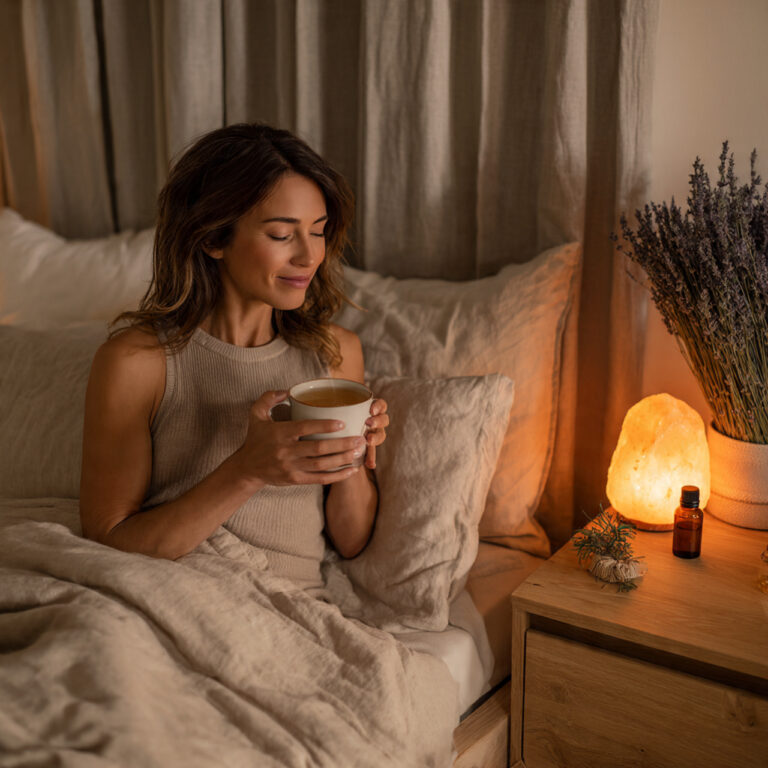
Certain herbal teas can promote relaxation and induce sleepiness. Chamomile, valerian root, passionflower, and lemon balm teas are popular choices. Drink a warm cup of herbal tea about an hour before bed as part of your wind-down routine.
Mind-Body Techniques for Tranquility

Calming your mind is often the biggest hurdle to falling asleep. These techniques can help quiet racing thoughts and prepare your brain for rest.
Meditation and Mindfulness
Even 5-10 minutes of meditation before bed can make a significant difference. Focus on your breath, observe your thoughts without judgment, and gently bring your attention back to the present moment. Mindfulness apps can guide you through these practices.
Deep Breathing Exercises
Simple deep breathing exercises can activate your parasympathetic nervous system, signaling your body to relax. Try the 4-7-8 breathing technique: inhale for 4 counts, hold for 7, and exhale slowly for 8. Repeat several times until you feel calmer.
Progressive Muscle Relaxation
This technique involves tensing and then relaxing different muscle groups throughout your body. Start with your toes, tense for 5 seconds, then release. Move up your body, focusing on the sensation of release and relaxation. This helps you become more aware of physical tension and how to let it go.
Journaling to Clear Your Mind
If your mind is buzzing with worries or to-do lists, journaling can be a powerful tool. Write down your thoughts, concerns, and anything you need to remember for the next day. Getting these thoughts out of your head and onto paper can prevent them from keeping you awake.
Daytime Habits for Better Night Sleep

What you do during the day has a profound impact on your ability to sleep at night. Cultivating healthy daytime habits is just as important as your bedtime routine.
Regular Exercise
Consistent physical activity can significantly improve sleep quality. However, timing is crucial. Aim to exercise earlier in the day, preferably in the morning or afternoon. Vigorous exercise too close to bedtime can be stimulating and make it harder to fall asleep.
Exposure to Natural Sunlight
Getting natural light exposure, especially in the morning, helps regulate your circadian rhythm. Sunlight signals to your body that it’s daytime, which helps keep your internal clock in sync and promotes healthy melatonin production at night. Try to get at least 15-30 minutes of natural light exposure early in the day.
Maintain a Consistent Sleep Schedule
Go to bed and wake up at the same time every day, even on weekends. This consistency reinforces your body’s sleep-wake cycle, making it easier to fall asleep and wake up naturally. Irregular sleep patterns can throw your internal clock off balance.
Nap Wisely
While short power naps can be beneficial, long or late-afternoon naps can interfere with nighttime sleep. If you need to nap, keep it to 20-30 minutes and try to do it before 3 PM.
Herbal Remedies and Supplements

While a holistic approach is always best, certain natural remedies and supplements can offer additional support for falling asleep faster. Always consult with a healthcare professional before starting any new supplement.
Melatonin
Melatonin is a hormone naturally produced by your body that regulates sleep-wake cycles. Supplements can be helpful for short-term use, especially for jet lag or shift work. Start with the lowest effective dose.
Valerian Root
Valerian is an herb often used for its mild sedative and anxiolytic (anxiety-reducing) effects. It can be taken as a tea, tincture, or capsule. Some people find the smell unpleasant, but its efficacy for sleep is recognized.
Chamomile
Beyond its use in tea, chamomile supplements can also promote relaxation. It contains apigenin, an antioxidant that binds to specific receptors in your brain that may decrease anxiety and initiate sleep.
Lavender
While often used in aromatherapy, some studies suggest that oral lavender supplements can also improve sleep quality and reduce anxiety. Always use therapeutic-grade lavender and follow dosage instructions.
Magnesium
As mentioned, magnesium plays a role in relaxation. If dietary intake is insufficient, a magnesium supplement (e.g., magnesium glycinate or citrate) can be beneficial for promoting sleep and reducing muscle cramps.
When to Seek Professional Help

While natural methods are highly effective for many, it’s important to recognize when to seek professional help. If you’ve consistently tried natural remedies for several weeks or months without significant improvement, or if your sleep problems are severely impacting your daily life, it might be time to consult a doctor or a sleep specialist. They can help identify underlying medical conditions, such as sleep apnea, restless legs syndrome, or chronic insomnia, and recommend appropriate treatments.
Conclusion
Falling asleep faster and enjoying restorative sleep doesn’t have to be a struggle. By embracing natural methods and making conscious choices about your routine, environment, diet, and mindset, you can significantly improve your sleep quality. Remember, consistency is key. It might take time for your body to adjust to new habits, but with patience and persistence, you’ll be well on your way to a lifetime of peaceful, natural sleep. Start implementing these strategies today and reclaim the restful nights you deserve.
Frequently Asked Questions
What are the best natural ways to fall asleep faster?
To fall asleep faster naturally, establish a consistent bedtime routine, optimize your sleep environment (dark, quiet, cool), avoid caffeine and alcohol before bed, practice relaxation techniques like meditation or deep breathing, and get regular daytime exercise.
Why should I avoid screens before bed for better sleep?
Blue light emitted from screens (phones, tablets, computers, TVs) can suppress the production of melatonin, a hormone critical for sleep. It signals to your brain that it’s daytime, making it harder to fall asleep. It’s best to avoid screens at least 1-2 hours before bedtime.
How does a bedtime routine help with falling asleep faster?
A consistent bedtime routine helps signal to your body that it’s time to wind down. This routine could include a warm bath, reading a book, gentle stretching, or listening to calming music. Doing the same relaxing activities each night helps condition your body for sleep.
Are there specific foods or drinks that can help me fall asleep?
Certain foods and drinks can help. Herbal teas like chamomile or valerian, warm milk, foods rich in magnesium (like almonds or spinach), and a light snack containing tryptophan (like a banana) can promote sleep. Avoid heavy, spicy, or sugary foods close to bedtime.
When should I seek professional help for sleep difficulties?
If you’ve consistently tried natural methods for several weeks without significant improvement, or if your sleep problems are severely impacting your daily life, it’s advisable to consult a doctor or sleep specialist. They can rule out underlying medical conditions and recommend appropriate treatments.