Natural ways to support prostate health

Prostate health is a cornerstone of overall well-being for men, yet it’s often overlooked until problems arise. The prostate, a small gland located just below the bladder, plays a crucial role in the male reproductive system by producing seminal fluid. As men age, it becomes increasingly common to experience prostate-related issues, ranging from benign prostatic hyperplasia (BPH) – a non-cancerous enlargement of the prostate – to prostatitis (inflammation) and, more seriously, prostate cancer. These conditions can significantly impact quality of life, leading to uncomfortable urinary symptoms, pain, and other health concerns. The good news is that while some factors are beyond our control, many natural strategies can be employed to support prostate health proactively and reduce the risk of developing these issues. This comprehensive guide will explore various natural approaches, from dietary adjustments and lifestyle modifications to specific supplements, empowering you to take charge of your prostate wellness. Remember, integrating these natural methods should always be discussed with a healthcare professional, especially if you have existing prostate conditions or are considering new supplements.
Understanding Prostate Health and Common Conditions
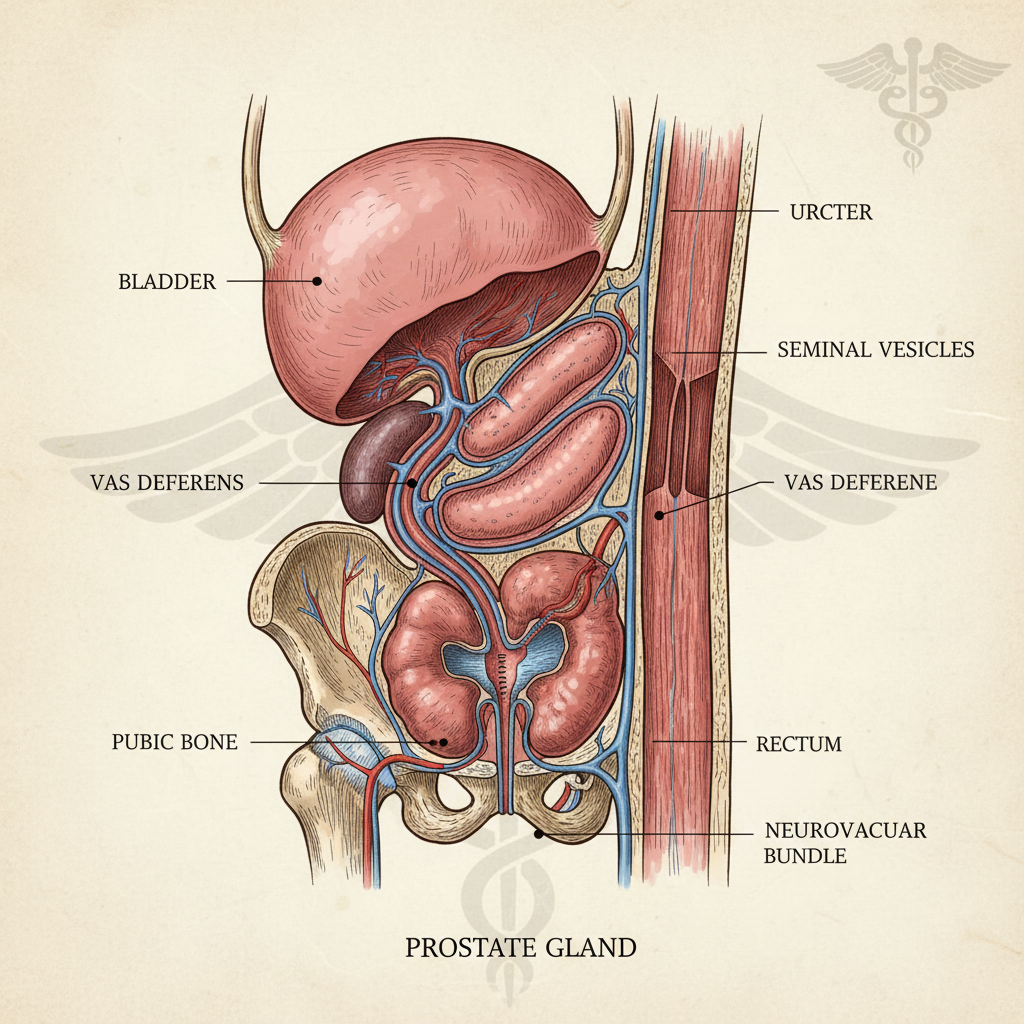
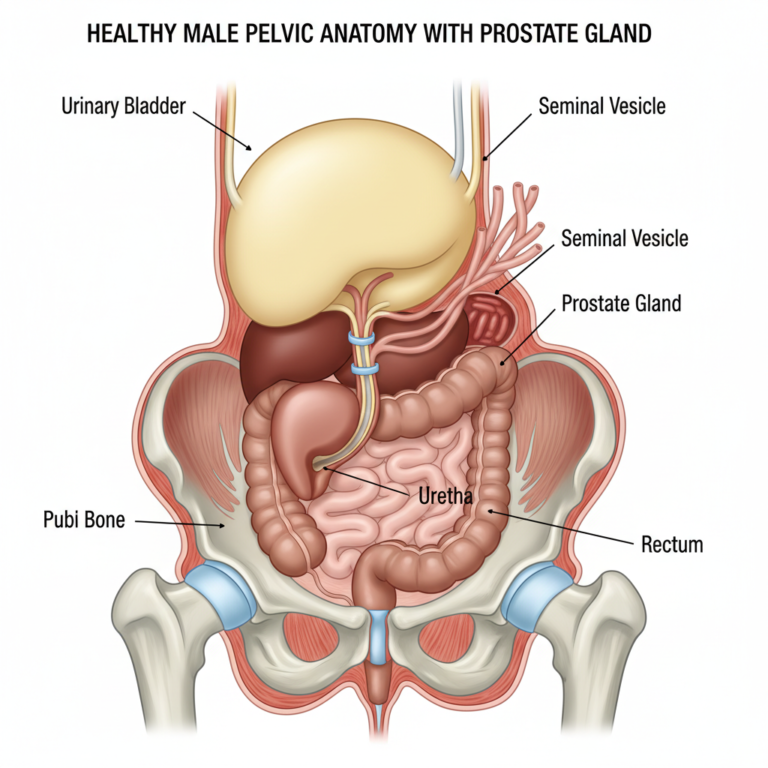
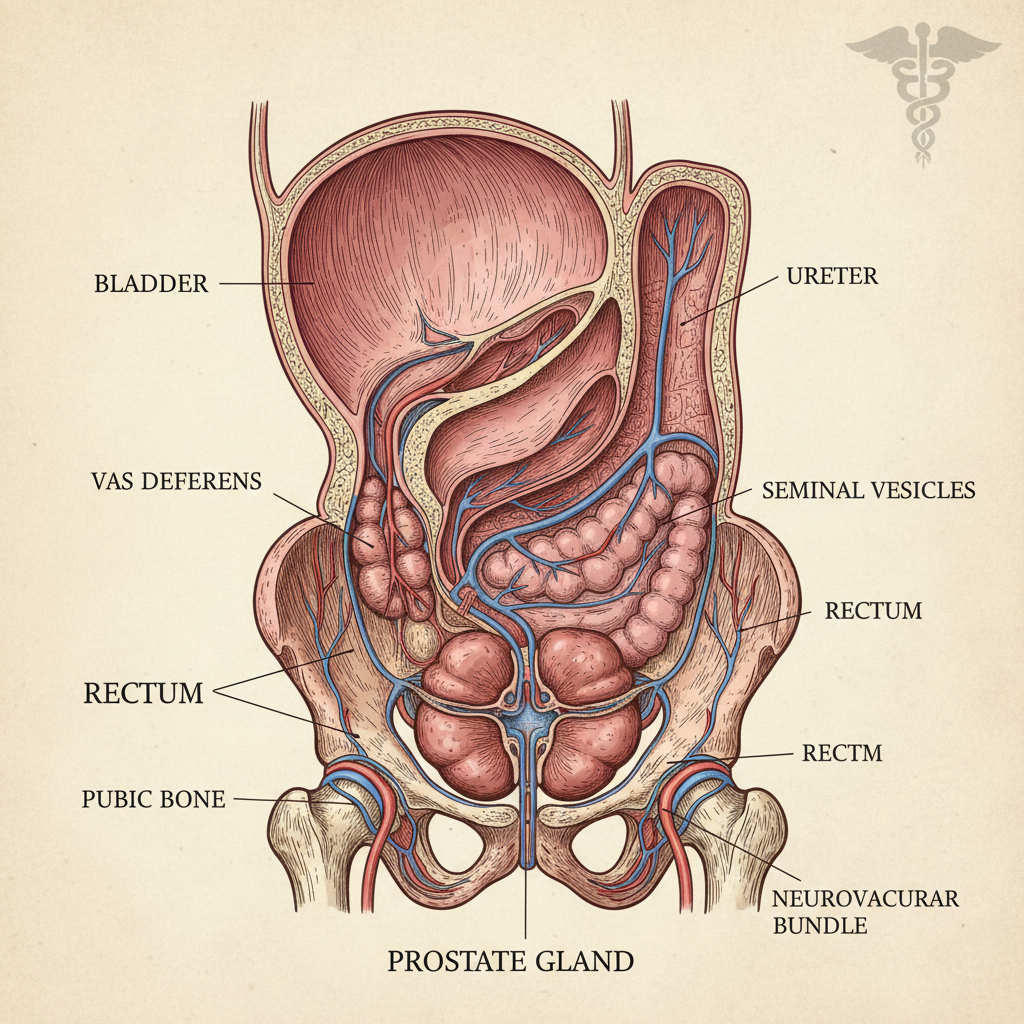
To effectively support prostate health, it’s essential to understand what the prostate is and the common conditions that can affect it. The prostate gland is roughly the size and shape of a walnut, situated in front of the rectum and just below the bladder, encircling the urethra. Its primary function is to produce prostatic fluid, a component of semen that nourishes and transports sperm. Hormonal changes, particularly fluctuations in testosterone and estrogen levels, play a significant role in prostate development and, later in life, in the onset of prostate problems.
Three main conditions commonly affect the prostate:
- Benign Prostatic Hyperplasia (BPH): This is a non-cancerous enlargement of the prostate gland, a very common condition in men over 50. As the prostate grows, it can press on the urethra, leading to urinary symptoms such as frequent urination (especially at night), difficulty starting urination, a weak stream, and the sensation of incomplete bladder emptying. While not life-threatening, BPH can significantly diminish quality of life.
- Prostatitis: This refers to inflammation of the prostate gland. It can be acute (sudden and severe) or chronic (long-lasting) and may be caused by bacterial infection or other non-bacterial factors. Symptoms include pain in the groin, pelvic area, or genitals, painful urination, and sometimes flu-like symptoms.
- Prostate Cancer: This is the most common cancer among men, excluding skin cancer. While some prostate cancers grow slowly and may not require immediate aggressive treatment, others can be aggressive and spread quickly. Early detection is crucial for successful treatment. Risk factors include age, family history, and ethnicity.
Understanding these conditions highlights the importance of proactive measures. Many natural strategies focus on reducing inflammation, balancing hormones, and providing antioxidant support, which can be beneficial across the spectrum of prostate health concerns.
Dietary Approaches for a Healthy Prostate
 Dietary Approaches for a Healthy Prostate
What you eat profoundly impacts your prostate health. A diet rich in whole, unprocessed foods can help reduce inflammation, provide essential nutrients, and support overall cellular health, including that of the prostate. Conversely, diets high in processed foods, unhealthy fats, and excessive red meat have been linked to an increased risk of prostate issues.
Focus on Plant-Based Foods
Embracing a diet rich in fruits, vegetables, whole grains, and legumes is perhaps one of the most powerful natural strategies for prostate health. These foods are packed with vitamins, minerals, fiber, and antioxidants that combat oxidative stress and inflammation, two key contributors to prostate problems. Aim for a wide variety of colorful produce to ensure a broad spectrum of protective compounds.
- Fruits and Vegetables: Incorporate a rainbow of options daily. Berries (blueberries, raspberries, strawberries) are rich in antioxidants. Leafy greens (spinach, kale, collard greens) provide vitamins and minerals. Cruciferous vegetables like broccoli, cauliflower, Brussels sprouts, and cabbage contain compounds (e.g., sulforaphane) that have been studied for their potential anti-cancer properties.
- Whole Grains: Choose whole grains like oats, brown rice, quinoa, and whole-wheat bread over refined grains. They provide fiber, which aids in digestion and can help regulate hormone levels, and a range of B vitamins and minerals.
- Legumes: Beans, lentils, and chickpeas are excellent sources of plant-based protein and fiber. They also contain phytoestrogens, plant compounds that may help balance hormone levels and offer protective effects against prostate cancer.
The Power of Omega-3 Fatty Acids
Omega-3 fatty acids are renowned for their potent anti-inflammatory properties, which are crucial for prostate health. Chronic inflammation is a known factor in the progression of BPH and may contribute to prostate cancer development.
- Fatty Fish: Incorporate cold-water fatty fish such as salmon, mackerel, sardines, and tuna into your diet a few times a week. These are rich in EPA and DHA, the most beneficial forms of omega-3s.
- Plant-Based Sources: For those who prefer plant-based options, flaxseeds, chia seeds, hemp seeds, and walnuts are excellent sources of alpha-linolenic acid (ALA), which the body can convert into EPA and DHA, albeit less efficiently. Consider adding ground flaxseeds to smoothies or oatmeal, or snacking on walnuts.
Limiting Unhealthy Fats and Red Meat
While some fats are essential, certain types can be detrimental to prostate health. High intake of saturated and trans fats, often found in processed foods, fried foods, and some animal products, can promote inflammation and contribute to weight gain, both risk factors for prostate issues. Similarly, a diet high in red and processed meats has been associated with an increased risk of prostate cancer.
- Reduce Red Meat: Limit consumption of red meat (beef, pork, lamb), especially processed varieties like bacon, sausages, and deli meats. When you do consume red meat, opt for lean cuts and prepare them using healthier cooking methods like baking or grilling, rather than frying.
- Avoid Processed Foods: Minimize intake of highly processed foods, which are often laden with unhealthy fats, sugars, and artificial ingredients. These contribute to systemic inflammation and lack essential nutrients.
- Choose Healthy Fats: Focus on monounsaturated and polyunsaturated fats found in olive oil, avocados, nuts, and seeds. These fats are beneficial for heart health and can help reduce inflammation.
The Role of Antioxidants and Specific Vitamins
Antioxidants are compounds that protect cells from damage caused by free radicals, which contribute to aging and disease, including prostate issues. Certain vitamins and minerals also play specific roles in prostate health.
- Lycopene: This powerful antioxidant, responsible for the red color in certain fruits and vegetables, has been extensively studied for its prostate-protective effects. Lycopene is particularly abundant in tomatoes, especially cooked tomatoes (e.g., in sauces, paste, or juice), as cooking enhances its bioavailability. Other sources include watermelon, pink grapefruit, and guava.
- Vitamin D: Emerging research suggests a link between low Vitamin D levels and an increased risk of aggressive prostate cancer. Vitamin D plays a role in cell growth regulation and immune function. Sources include sun exposure, fatty fish, and fortified dairy products or cereals. Many men may benefit from supplementation, especially in regions with limited sunlight.
- Vitamin E: Found in nuts, seeds, spinach, and broccoli, Vitamin E is another potent antioxidant that may offer protective benefits for the prostate.
- Selenium: This trace mineral is vital for antioxidant defense and immune function. Brazil nuts are an exceptional source (just a few nuts can provide your daily requirement). Other sources include seafood, whole grains, and mushrooms.
- Zinc: Highly concentrated in the prostate gland, zinc plays a crucial role in immune function and hormone metabolism. Low zinc levels have been associated with prostate problems. Good sources include oysters, pumpkin seeds, beef, and beans. Lifestyle Modifications for Prostate Wellness

Beyond diet, several lifestyle factors significantly influence prostate health. Incorporating regular physical activity, maintaining a healthy weight, managing stress, and staying hydrated are all vital components of a holistic approach to prostate wellness.
Regular Physical Activity
Leading an active lifestyle is beneficial for virtually every aspect of health, and the prostate is no exception. Regular exercise helps maintain a healthy weight, improves circulation, reduces inflammation, and can positively impact hormone levels – all factors relevant to prostate health.
- Aerobic Exercise: Activities like brisk walking, jogging, swimming, cycling, or dancing for at least 30 minutes most days of the week can improve cardiovascular health and contribute to prostate wellness.
- Strength Training: Incorporate strength training exercises two to three times a week. Building muscle mass can help with weight management and improve overall metabolic health.
- Pelvic Floor Exercises: While often associated with women, pelvic floor exercises (Kegels) can also benefit men by strengthening the muscles that support the bladder and bowel, potentially improving urinary control, especially for those experiencing BPH symptoms.
Maintaining a Healthy Weight
Obesity is a significant risk factor for several chronic diseases, including prostate cancer and the progression of BPH. Excess body fat, particularly around the abdomen, can alter hormone levels (such as testosterone and estrogen) in ways that may promote prostate growth or cancer development.
- Balanced Diet and Exercise: The combination of a nutrient-dense diet and regular physical activity is the most effective strategy for achieving and maintaining a healthy weight. Focus on whole foods and portion control.
- Consult a Professional: If you struggle with weight management, consider consulting a dietitian or healthcare provider for personalized guidance.
Stress Management Techniques
Chronic stress can have a profound impact on the body, including contributing to systemic inflammation and hormonal imbalances. While the direct link between stress and prostate conditions is still being researched, managing stress is crucial for overall health and can indirectly support prostate wellness.
- Mindfulness and Meditation: Practices like mindfulness meditation can help calm the nervous system, reduce stress hormones, and improve mental well-being.
- Yoga and Tai Chi: These practices combine physical movement with breathing and mindfulness, offering excellent stress-reduction benefits.
- Hobbies and Relaxation: Engage in activities you enjoy – reading, listening to music, spending time in nature, or connecting with loved ones – to help de-stress and relax.
Adequate Hydration
Drinking enough water throughout the day is simple yet fundamental for overall health, including urinary tract and prostate function. Proper hydration helps flush toxins from the body and keeps the urinary system working efficiently.
- Water Intake: Aim for at least 8 glasses (around 2 liters) of water daily, adjusting based on activity level and climate.
- Limit Irritants: While staying hydrated, it’s also wise to limit beverages that can irritate the bladder and prostate, such as excessive caffeine and alcohol.
Herbal and Nutritional Supplements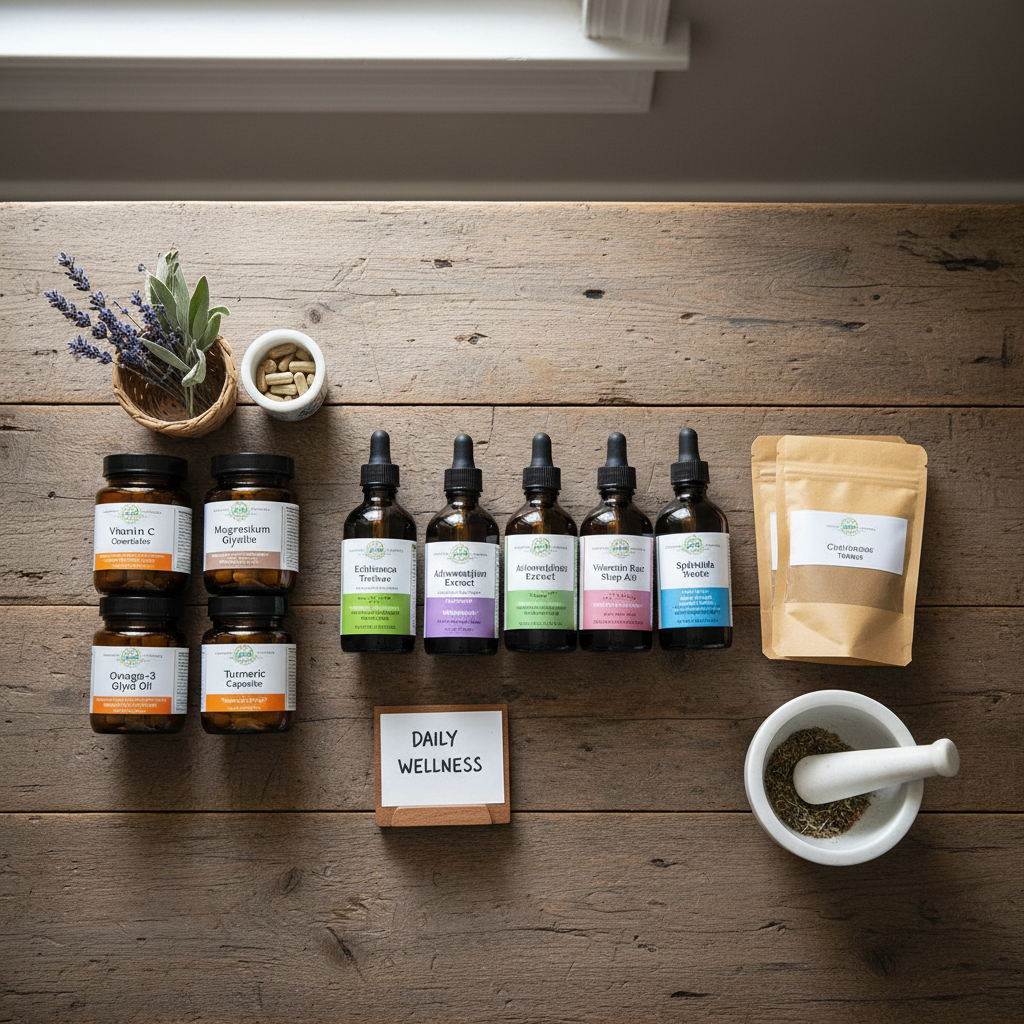
While a healthy diet and lifestyle are foundational, certain herbal remedies and nutritional supplements have gained attention for their potential to support prostate health. It’s crucial to approach supplements with caution and always consult your doctor before adding them to your regimen, as they can interact with medications or have side effects.
Saw Palmetto (Serenoa repens)
Saw palmetto is perhaps the most widely recognized herbal remedy for prostate health, particularly for managing symptoms of BPH. It’s believed to work by inhibiting the conversion of testosterone to dihydrotestosterone (DHT), a hormone linked to prostate growth, and by reducing inflammation. Studies on its effectiveness have yielded mixed results, but many men report relief from urinary symptoms.
Pygeum Africanum
Derived from the bark of the African plum tree, Pygeum africanum extract has been traditionally used to treat urinary problems. It contains compounds that may help reduce inflammation and swelling in the prostate, improve urinary flow, and decrease nighttime urination. Research suggests it may be effective for BPH symptoms.
Beta-Sitosterol
Beta-sitosterol is a plant sterol found in many plant foods, including nuts, seeds, and vegetables. It has been studied for its ability to improve urinary flow and reduce residual urine volume in men with BPH. Its mechanism may involve reducing inflammation and affecting cholesterol metabolism within the prostate.
Zinc and Selenium
As mentioned in the dietary section, zinc and selenium are crucial minerals for prostate health. If dietary intake is insufficient, supplementation might be considered under medical guidance. Zinc is essential for immune function and testosterone metabolism in the prostate. Selenium is a powerful antioxidant that may help protect against prostate cancer.
Lycopene
While abundant in tomatoes, concentrated lycopene supplements are also available. Given its strong antioxidant properties and research linking higher lycopene intake to reduced prostate cancer risk, some men choose to supplement, especially if their dietary intake of lycopene-rich foods is low.
Regular Screenings and Medical Guidance
Even with a diligent focus on natural strategies, regular medical check-ups and screenings are indispensable for prostate health. Early detection of any issues, especially prostate cancer, can significantly improve treatment outcomes. Discuss with your doctor when and how often you should undergo screenings.
- Digital Rectal Exam (DRE): This physical examination allows a doctor to feel the prostate for any abnormalities, such as enlargement, tenderness, or lumps.
- Prostate-Specific Antigen (PSA) Blood Test: The PSA test measures the level of PSA, a protein produced by prostate cells, in the blood. Elevated PSA levels can indicate prostate enlargement, inflammation, or cancer. It’s important to discuss the implications of PSA levels with your doctor, as many factors can influence them.
- Regular Consultations: Maintain open communication with your healthcare provider about any urinary symptoms, pain, or changes in your health. They can provide personalized advice, conduct necessary tests, and guide you on the most appropriate course of action, whether it involves further natural interventions, medication, or other treatments.
Integrating Natural Strategies into Your Routine
Embarking on a journey to support prostate health naturally is a marathon, not a sprint. Consistency and a holistic approach are key. Rather than making drastic changes overnight, aim for gradual, sustainable adjustments to your diet and lifestyle. Start by incorporating more plant-based meals, adding a daily walk, or practicing a few minutes of mindfulness. Small, consistent steps accumulate over time to create significant positive impacts.
Remember that natural methods work best when viewed as part of a comprehensive health strategy. They complement, rather than replace, professional medical advice and care. By combining a nutrient-rich diet, active lifestyle, stress management, and regular medical check-ups, you create a robust foundation for optimal prostate health and overall well-being.
Conclusion
Supporting prostate health naturally is an empowering and proactive step every man can take. By focusing on a diet rich in plant-based foods, omega-3 fatty acids, and key antioxidants like lycopene, you provide your body with the building blocks for a healthy prostate. Coupling these dietary choices with an active lifestyle, maintaining a healthy weight, and effectively managing stress further strengthens your defense. While certain supplements like saw palmetto and beta-sitosterol show promise, their use should always be guided by a healthcare professional. Crucially, natural strategies are most effective when integrated with regular medical screenings and open communication with your doctor. By adopting these natural ways to support prostate health, you’re not just safeguarding a single gland, but investing in your long-term vitality and quality of life. Start today – your prostate will thank you.
Frequently Asked Questions
What are the best natural ways to support prostate health?
Natural ways to support prostate health include adopting a diet rich in fruits, vegetables, whole grains, and healthy fats (like omega-3s), limiting red and processed meats, engaging in regular physical activity, maintaining a healthy weight, managing stress, and staying adequately hydrated. Certain supplements like saw palmetto and lycopene may also offer benefits, but always consult a doctor.
Which foods are good for prostate health?
Foods beneficial for prostate health include tomatoes (especially cooked, for lycopene), broccoli and other cruciferous vegetables, berries, leafy greens, fatty fish (salmon, mackerel), flaxseeds, chia seeds, walnuts, and pumpkin seeds (for zinc). These foods are rich in antioxidants, anti-inflammatory compounds, and essential nutrients.
Can natural remedies cure prostate problems?
While natural methods can significantly support prostate health and manage symptoms, they are generally not a cure for established conditions like BPH or prostate cancer. They are most effective as preventive measures and as part of a comprehensive management plan alongside conventional medical treatments. Always consult your doctor for diagnosis and treatment.
What kind of exercise is best for prostate health?
Regular exercise, such as brisk walking, jogging, swimming, or cycling, for at least 30 minutes most days of the week is beneficial. Strength training and even pelvic floor exercises can also contribute to prostate wellness by improving circulation, managing weight, and supporting urinary function.
Does stress impact prostate health?
Yes, stress can indirectly affect prostate health. Chronic stress can lead to systemic inflammation and hormonal imbalances, which are risk factors for various prostate conditions. Techniques like meditation, yoga, deep breathing, and engaging in relaxing hobbies can help manage stress and support overall well-being, including prostate health.