Simple Tricks to Sleep Quicker: Easy Tips That Actually Work

Introduction
We’ve all been there. You’re lying in bed, staring at the ceiling, and your mind just won’t shut off. You keep checking the clock, and with each passing hour, you get more frustrated. The harder you try to fall asleep, the more awake you feel.
Not being able to fall asleep quickly can ruin your whole next day. You wake up tired, cranky, and unable to focus on anything. Your morning coffee doesn’t help, and you spend the whole day counting down until you can go back to bed.
If this sounds familiar, you’re not alone. Millions of people struggle to fall asleep fast every single night. The good news? There are simple tricks that can help you drift off much quicker without any pills or complicated routines.
In this article, we’ll share easy, natural ways to help you sleep quicker so you can finally get the rest you deserve.
What Is the Problem?
When we talk about not being able to sleep quickly, we’re talking about lying awake for 30 minutes, an hour, or even longer after getting into bed. Your body feels tired, but your brain won’t cooperate.
This problem is super common in our modern world. We’re constantly stressed, looking at screens, drinking coffee late in the day, and dealing with a million things on our minds.
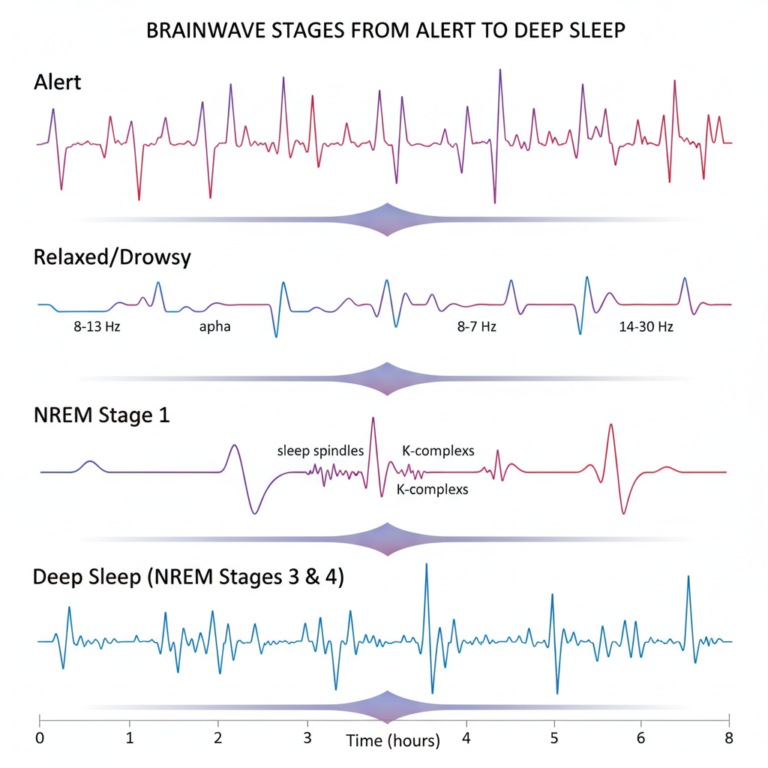
Your body has a natural sleep system that tells you when it’s time to rest. But when this system gets disrupted, falling asleep becomes really hard. Instead of drifting off in 10-20 minutes like you should, you’re tossing and turning for way too long.
The longer you stay awake, the more anxious you get about not sleeping. This creates a frustrating cycle that’s hard to break.
Common Causes of Not Falling Asleep Quickly
Understanding why you can’t fall asleep fast is the first step to fixing it. Here are some of the most common reasons:
Stress and Anxiety
When your mind is racing with worries about work, money, relationships, or tomorrow’s to-do list, your brain stays in “alert mode.” It’s hard to relax when you’re mentally making lists or replaying conversations.
Too Much Screen Time
Our phones, tablets, and TVs give off blue light that tricks our brains into thinking it’s daytime. Scrolling through social media right before bed keeps your mind active when it should be winding down.
Caffeine and Sugar
That afternoon coffee or evening dessert might taste great, but they can keep you wired hours later. Caffeine stays in your system for 6-8 hours, so even a 3pm coffee can mess with your bedtime.
Uncomfortable Sleep Environment
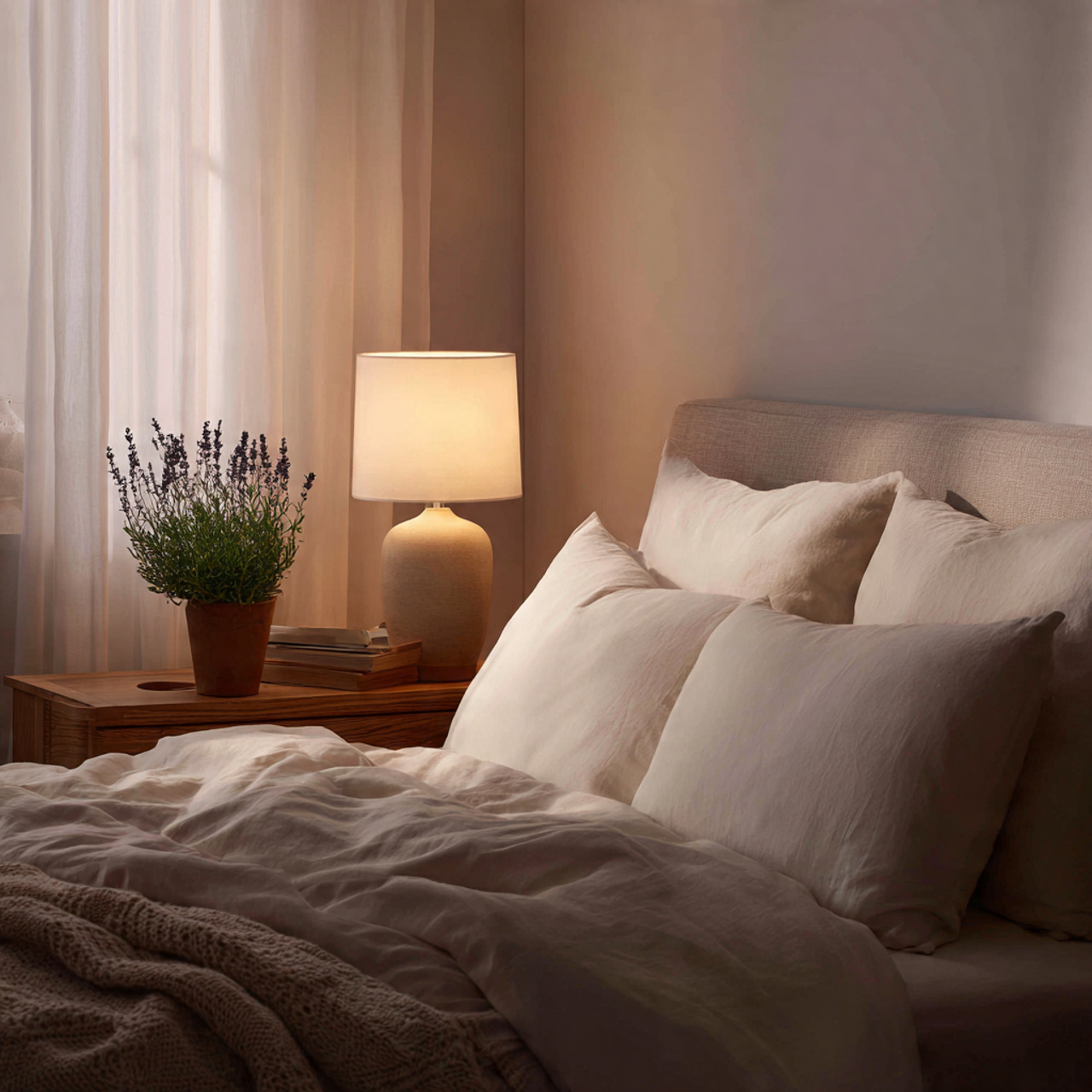
A room that’s too hot, too cold, too bright, or too noisy makes falling asleep really difficult. Your bedroom should feel like a cozy cave, not a bright, busy space.
Irregular Sleep Schedule
Going to bed at different times every night confuses your body’s internal clock. Your brain doesn’t know when it’s supposed to feel sleepy.
Lack of Physical Activity
If you sit all day and don’t move your body, you might not feel physically tired enough to fall asleep quickly.
Late Meals
Eating a big dinner right before bed keeps your digestive system working when it should be resting. This can make you uncomfortable and alert.
Basic Symptoms You Might Notice
You probably know if you’re having trouble falling asleep quickly, but here are some signs:
- You regularly lie awake for 30 minutes or more after getting into bed
- Your mind races with thoughts and worries
- You toss and turn trying to get comfortable
- You check your phone or clock repeatedly
- You feel frustrated or anxious about not falling asleep
- You wake up tired even after being in bed for 8+ hours
- You dread bedtime because you know you’ll struggle
- You feel sleepy during the day but wired at night
If these sound familiar, the tips below can really help.
Natural Remedies and Lifestyle Tips to Sleep Quicker
Now for the good stuff! Here are simple tricks that can help you fall asleep faster naturally.
The 4-7-8 Breathing Method
This is one of the easiest and most effective tricks. Here’s how it works:
- Breathe in through your nose for 4 counts
- Hold your breath for 7 counts
- Breathe out slowly through your mouth for 8 counts
- Repeat this 3-4 times
This breathing pattern calms your nervous system and signals your body that it’s time to relax. It’s like a natural off-switch for your busy brain.
Create a Cool, Dark Room
Your body sleeps best in a room that’s around 65-68 degrees Fahrenheit. This might feel cooler than you expect, but it helps you fall asleep faster.
Make your room as dark as possible. Use blackout curtains or an eye mask. Even tiny lights from electronics can mess with your sleep.
Try the “Brain Dump” Method
Keep a notebook next to your bed. Before you lie down, spend 5 minutes writing down everything on your mind. All your worries, to-do lists, random thoughts – dump it all on paper.
This gets the thoughts out of your head so you’re not lying there trying to remember everything.
Follow the 10-3-2-1-0 Rule
This simple formula helps prepare your body for sleep:
- 10 hours before bed: No more caffeine
- 3 hours before bed: No more food or alcohol
- 2 hours before bed: No more work or stressful activities
- 1 hour before bed: No more screens
- 0: The number of times you hit snooze in the morning
Use the “Sleepy Girl Mocktail”
This popular drink has helped lots of people fall asleep faster. Mix together:
- Pure tart cherry juice (about half a cup)
- A splash of magnesium powder
- Sparkling water
Drink it 30-60 minutes before bed. Tart cherry juice contains natural melatonin, and magnesium helps your muscles relax.
Progressive Muscle Relaxation
Starting with your toes, tense each muscle group for 5 seconds, then release. Move up through your body – feet, legs, stomach, arms, shoulders, face.
This releases physical tension you didn’t even know you were holding.
Visualize a Boring Task
Instead of counting sheep, imagine yourself doing something repetitive and boring. Like walking down a long hallway with identical doors, or going down a staircase counting each step.
The key is to make it boring enough that your mind stops racing but engaging enough that you don’t think about other things.
Keep Your Feet Warm
This might sound weird, but wearing socks to bed can help you fall asleep faster. Warm feet help blood vessels dilate, which tells your brain it’s time to sleep.
Use White Noise or Nature Sounds
A fan, white noise machine, or app with rain sounds can block out disruptive noises and give your brain something neutral to focus on.
The “Reverse Psychology” Trick
Tell yourself to stay awake and keep your eyes open. Often, when you stop trying so hard to fall asleep, it happens naturally. The pressure is off.
Stick to a Consistent Bedtime
Go to bed at the same time every night, even on weekends. After a few weeks, your body will start feeling sleepy at that time automatically.
Get Morning Sunlight
This seems backwards, but getting bright light in the morning helps you sleep better at night. It resets your internal clock. Go outside within an hour of waking up for at least 10-15 minutes.
Try a Warm Bath or Shower
Taking a warm bath or shower 60-90 minutes before bed raises your body temperature. When you get out, your temperature drops, which signals sleepiness.
Limit Naps
If you nap during the day, keep it short (20-30 minutes max) and not too late. Long or late naps can make it harder to fall asleep at night.
What Helps and What to Avoid
Things That Help:
- Reading a paper book (not on a screen)
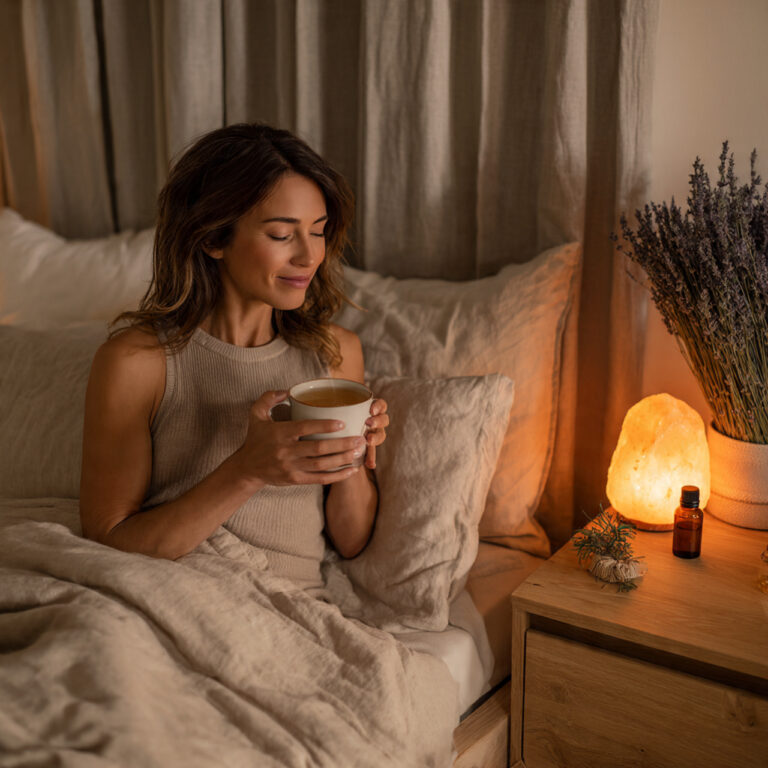
- Drinking herbal tea like chamomile or valerian root
- Using lavender essential oil on your pillow
- Keeping a gratitude journal
- Light stretching or gentle yoga
- Meditation or calm music
- A comfortable mattress and pillows
- Cotton or breathable sheets
Things to Avoid:
- Checking work emails before bed
- Watching intense TV shows or scary movies
- Having difficult conversations at night
- Exercising intensely within 3 hours of bedtime
- Drinking lots of water right before bed (you’ll wake up to use the bathroom)
- Looking at your clock repeatedly
- Forcing yourself to stay in bed if you’re wide awake after 20 minutes
If you can’t fall asleep after 20-30 minutes, get up and do something calm and boring in dim light until you feel sleepy. Then try again.
When to See a Doctor
Most people can improve their sleep with these simple tricks. But sometimes you might need extra help.
Consider talking to a healthcare professional if:
- You regularly can’t fall asleep for hours every night
- Nothing you try seems to help
- Your sleep problems are affecting your daily life
- You feel extremely tired during the day
- You snore loudly or stop breathing during sleep
- You have other symptoms along with sleep problems
Remember, this article is for informational purposes only and is not medical advice. Everyone’s body is different, and what works for one person might not work for another. If you’re concerned about your sleep, it’s always okay to ask a professional for guidance.
Frequently Asked Questions
How long should it take to fall asleep?
Most sleep experts say falling asleep should take about 10-20 minutes. If you fall asleep instantly, you might actually be sleep deprived. If it takes longer than 30 minutes regularly, these tricks can help.
Is it bad to use my phone in bed?
Yes, it’s one of the worst things you can do if you want to fall asleep quickly. The blue light and mental stimulation keep your brain alert. Try leaving your phone in another room or at least across the bedroom.
What if I wake up in the middle of the night?
Many of these same tricks work for falling back asleep. The 4-7-8 breathing method is especially helpful. Avoid looking at the clock or your phone, as this can make you more anxious.
Can exercise help me fall asleep faster?
Yes, regular exercise can definitely help you fall asleep quicker. Just try to finish workouts at least 3 hours before bedtime, as exercising too close to bed can actually wake you up more.
Do I really need 8 hours of sleep?
Most adults need 7-9 hours, but everyone is different. The key is feeling rested when you wake up. Focus on improving your sleep quality, not just the number of hours.
Conclusion
Falling asleep quickly doesn’t have to be complicated. You don’t need expensive gadgets or supplements. Most of the time, simple tricks like breathing exercises, keeping your room cool and dark, and following a consistent routine can make a huge difference.
Start with one or two of these tips and see what works for you. Maybe it’s the 4-7-8 breathing method. Maybe it’s the brain dump journal. Maybe it’s just putting your phone in another room. Everyone is different, so give yourself permission to experiment.
Remember, changing your sleep habits takes time. Don’t expect perfect results the first night. Be patient with yourself and keep at it. After a few weeks, these tricks will become automatic, and falling asleep quickly will feel natural again.
You deserve good sleep. It affects everything – your mood, your health, your relationships, and your ability to enjoy life. These simple tricks can help you get back to falling asleep quickly so you can wake up feeling refreshed and ready for the day.
Sweet dreams!
Medical Disclaimer: This article is for informational and educational purposes only. It is not intended to be a substitute for professional medical advice, diagnosis, or treatment. Always seek the advice of your physician or other qualified healthcare provider with any questions you may have regarding a sleep condition or health concern. Never disregard professional medical advice or delay seeking it because of something you have read in this article.