Simple Home Care for Nail Fungus: Natural Tips to Help Your Nails Breathe

Introduction
Have you noticed your nails looking a little different lately? Maybe they’re yellow, thick, or crumbly around the edges. If so, you’re not alone. Nail fungus is one of the most common nail problems out there, and millions of people deal with it every year.
The good news? There are simple home care steps you can take to help manage nail fungus and support healthier-looking nails. While stubborn cases might need professional help, many people find relief with easy changes to their daily routine.
In this article, we’ll walk you through what nail fungus is, why it happens, and share some simple home care tips that people commonly use. No complicated medical talk here—just straightforward information you can actually use.
What Is Nail Fungus?
Nail fungus is exactly what it sounds like—a fungal infection that affects your nails. It can show up on your fingernails, but it’s much more common on toenails. Why? Because fungi love warm, dark, moist places. And let’s be honest, the inside of your shoes is basically a fungus paradise.
The fungus gets under your nail and starts to grow. Over time, this can change how your nail looks and feels. It usually starts small, maybe just a white or yellow spot under the tip of your nail. But if left alone, it can spread and affect more of the nail.
Nail fungus isn’t dangerous for most people, but it can be annoying and embarrassing. Many people feel self-conscious about wearing sandals or going barefoot because of how their nails look. That’s completely understandable.
Common Causes of Nail Fungus
Understanding why nail fungus happens can help you prevent it from coming back. Here are some of the most common reasons people develop this problem:
Warm, moist environments are the biggest culprit. Sweaty feet trapped in shoes all day create the perfect conditions for fungus to grow. This is why athletes and people who work on their feet often deal with this issue.
Walking barefoot in public places like pools, locker rooms, and gyms exposes your feet to fungi that other people may have left behind. These places are warm and wet—ideal for fungus to survive.
Damaged nails give fungus an easy way in. If you’ve stubbed your toe, had a nail injury, or gotten an aggressive pedicure, the damage can create tiny openings where fungus can enter.
Poor circulation can make it harder for your body to fight off infections, including nail fungus. This is more common as we get older.
Sharing personal items like nail clippers, shoes, or towels with someone who has nail fungus can spread it to you.
Wearing tight shoes that squeeze your toes can cause small injuries and trap moisture, both of which encourage fungal growth.
Symptoms to Watch For
Not sure if what you’re seeing is nail fungus? Here are some basic signs that many people notice:
- Nails that look yellow, brown, or white in color
- Thickened nails that are harder to trim
- Nails that seem brittle, crumbly, or ragged at the edges
- A slightly unpleasant smell coming from the affected nail
- Nails that have lifted or separated from the nail bed
- A distorted shape that doesn’t look quite right
Keep in mind that other conditions can cause similar symptoms. That’s why it’s always a good idea to check with a healthcare provider if you’re not sure what you’re dealing with.
Simple Home Care Tips and Natural Remedies
Many people try home remedies and simple care routines to help manage nail fungus. While results vary from person to person, these approaches are popular because they’re easy, affordable, and gentle. Here are some options people commonly explore:
Keep Your Feet Clean and Dry
This is the foundation of simple home care for nail fungus. Wash your feet daily with soap and water, making sure to clean between your toes. After washing, dry your feet thoroughly—fungi hate dry environments.
Change your socks if they get sweaty during the day. Choose socks made from breathable materials that wick moisture away from your skin. Cotton and moisture-wicking synthetic blends are popular choices.
Try Tea Tree Oil
Tea tree oil is one of the most talked-about natural options for nail fungus. It has natural antifungal properties that some people find helpful. To use it, apply a few drops directly to the affected nail using a cotton swab. Do this once or twice a day after cleaning your feet.
Be patient—natural remedies take time. Some people use tea tree oil for several months before noticing changes.
Apple Cider Vinegar Soaks
Apple cider vinegar is another popular home remedy. The idea is that its acidic nature may help create an environment where fungus has trouble thriving.
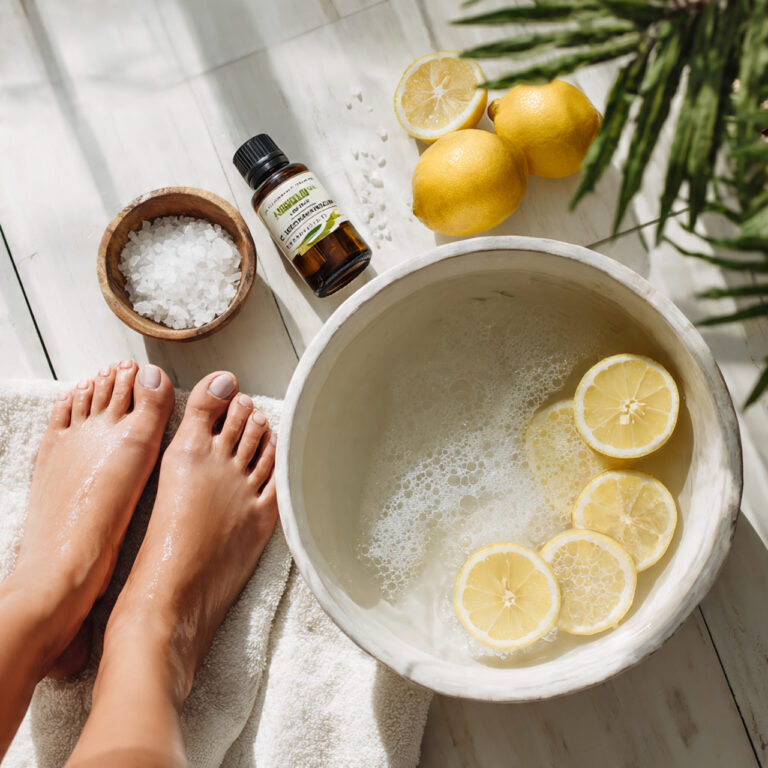
To try this, mix equal parts apple cider vinegar and warm water in a basin. Soak your feet for 15 to 20 minutes daily. Make sure to dry your feet completely afterward.
Baking Soda
Baking soda doesn’t kill fungus directly, but it may help absorb moisture and neutralize foot odor. Some people sprinkle it in their shoes or make a paste with water to apply to their nails.
Coconut Oil
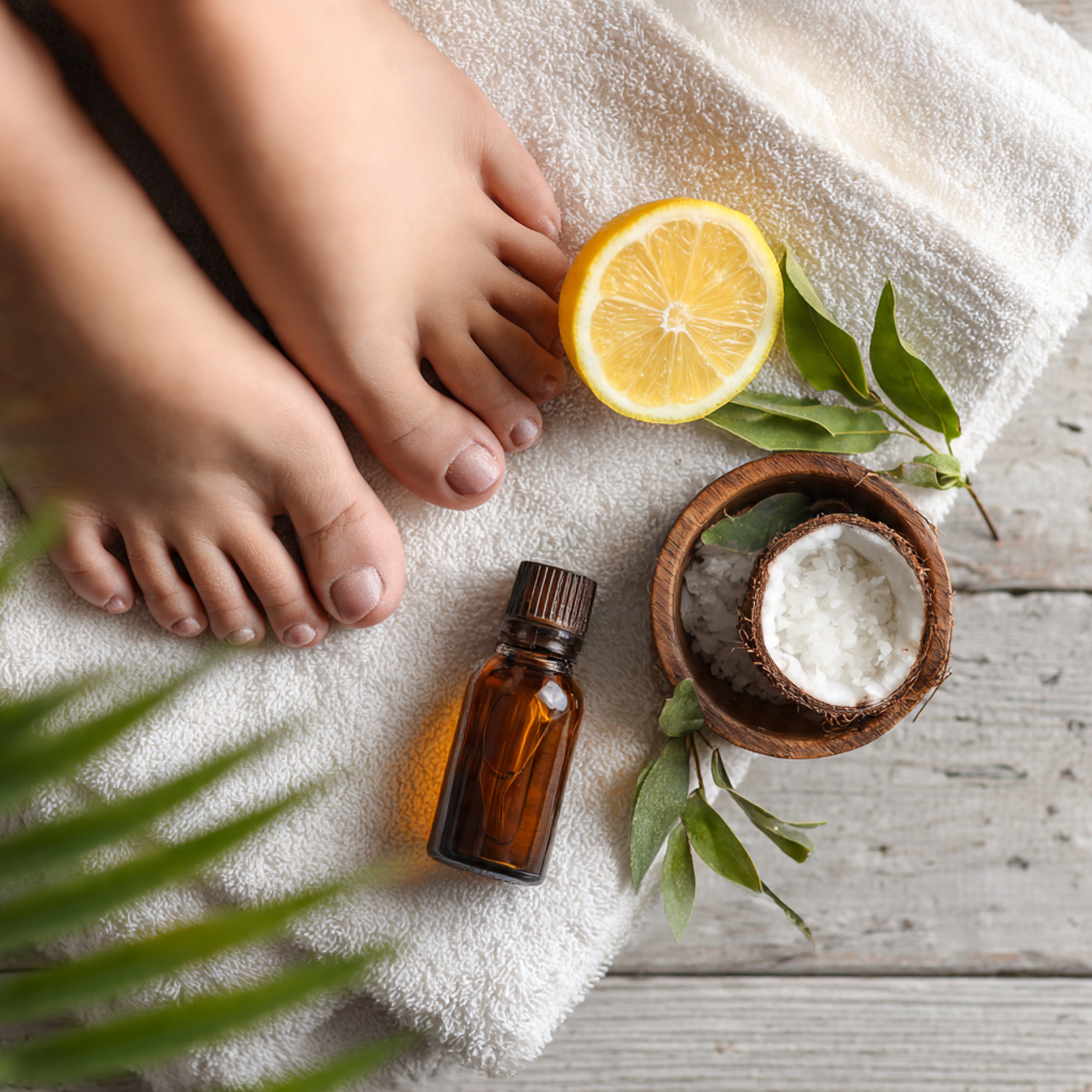
Coconut oil contains fatty acids that have natural antifungal properties. It’s gentle on the skin and easy to apply. Simply rub a small amount onto the affected nail and surrounding skin once or twice daily.
Garlic
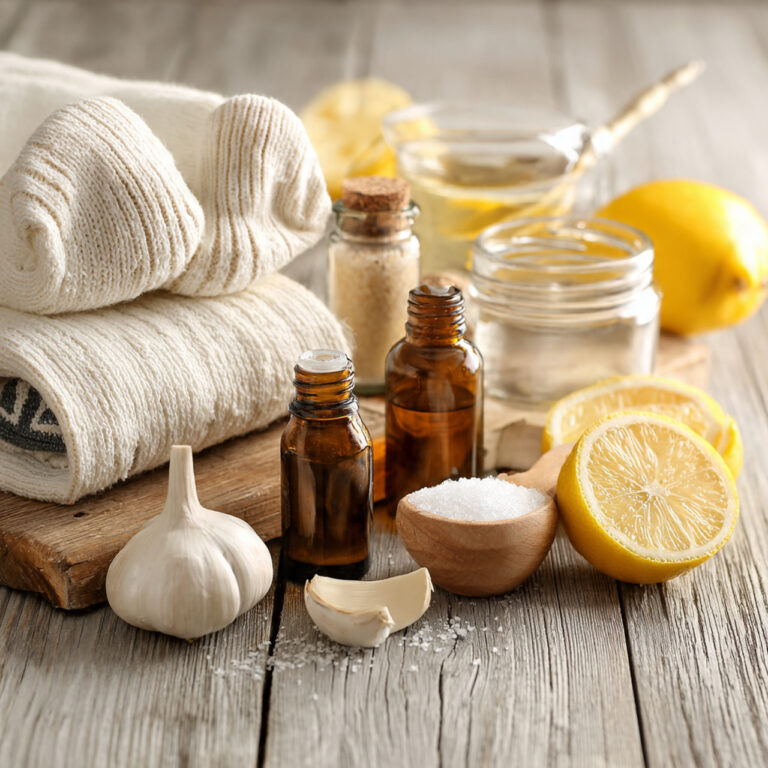
Garlic has been used for centuries as a natural remedy for various issues. Some people crush fresh garlic and apply it to the affected nail, while others take garlic supplements. If applying directly, be careful—garlic can irritate sensitive skin.
Vicks VapoRub
This one might surprise you, but some people swear by applying Vicks VapoRub to affected nails. It contains ingredients like eucalyptus oil and camphor that have antifungal properties. Apply a small amount to the nail daily.
Keep Nails Trimmed
Keeping your nails short and filed down can help in a few ways. It removes some of the infected nail material and helps any topical treatments penetrate better. Use clean, sharp nail clippers and file down thickened areas gently.
Always disinfect your nail tools after each use to avoid spreading the fungus to other nails.
What Helps and What to Avoid
Things That May Help
- Wearing breathable shoes made from natural materials
- Choosing open-toed sandals when possible to air out your feet
- Using antifungal powder in your shoes
- Rotating between different pairs of shoes to let them dry out
- Wearing shower shoes in public pools and locker rooms
- Washing and drying your feet before bed
- Staying consistent with whatever home care routine you choose
Things to Avoid
- Walking barefoot in public wet areas
- Wearing the same sweaty socks all day
- Sharing nail clippers, shoes, or towels with others
- Keeping nail polish on infected nails for long periods (it can trap moisture)
- Picking at or tearing your nails
- Using the same tools on healthy and infected nails
- Expecting overnight results (nail fungus is stubborn and takes time)
When to See a Doctor
Home care works for some people, but it’s not always enough. Here are some situations where you should definitely talk to a healthcare provider:
- The fungus is spreading or getting worse despite home care
- You have diabetes or circulation problems
- Your nail is very painful or swollen
- You see signs of a bacterial infection, like redness, warmth, or pus
- You’re not sure if it’s actually nail fungus
- You’ve tried home remedies for several months with no improvement
A doctor can properly diagnose your condition and discuss treatment options that might work better for your situation.
Frequently Asked Questions
How long does it take to get rid of nail fungus at home?
Nail fungus is notoriously slow to clear up. Even with consistent care, it can take many months to see improvement. This is because nails grow slowly, and you have to wait for the healthy nail to grow out. Toenails can take six months to a year or more to fully replace themselves.
Can nail fungus spread to other parts of my body?
Yes, the fungus that causes nail infections can spread. It can move to other nails, and the same type of fungus causes athlete’s foot. Good hygiene and keeping your feet dry can help prevent spreading.
Is nail fungus contagious?
Nail fungus can spread from person to person, usually through shared items or contaminated surfaces. That’s why it’s important not to share nail tools, shoes, or towels, and to wear protective footwear in public wet areas.
Can I wear nail polish if I have nail fungus?
Many experts suggest avoiding regular nail polish on infected nails because it can trap moisture and make the problem worse. If you want to cover up discolored nails, some antifungal nail polishes are available that are designed for this purpose.
Are home remedies as effective as prescription treatments?
Home remedies work differently for everyone, and they’re generally considered less powerful than prescription antifungal medications. However, many people prefer to try natural options first because they’re gentler and more affordable. Severe or stubborn cases often need professional treatment.
Conclusion
Dealing with nail fungus can be frustrating, but you have options. Simple home care for nail fungus focuses on keeping your feet clean and dry, trying gentle natural remedies, and being patient with the process.
Remember, nail fungus didn’t appear overnight, and it won’t disappear overnight either. Consistency is key. Pick a routine that works for your lifestyle and stick with it.
If home care isn’t giving you the results you want after several months, don’t hesitate to see a healthcare provider. There’s no shame in needing extra help, and professionals have additional tools to tackle stubborn fungal infections.
Here’s to healthier, happier nails!
Medical Disclaimer: This article is for informational purposes only and is not medical advice. It is not intended to diagnose, treat, cure, or prevent any condition. Always consult a healthcare professional before trying new treatments, especially if you have diabetes, circulation problems, or a weakened immune system.