Natural Sleep Aids for Bedtime: Gentle Ways to Help You Rest

Introduction
The clock reads 11:47 PM. You’ve been lying in bed for over an hour, willing yourself to fall asleep. Your body is exhausted, but your mind refuses to cooperate. You flip your pillow to the cool side, adjust your blankets, check your phone to see how many hours of sleep you could still get if you fell asleep right now. The math isn’t encouraging.
You’re far from alone. Millions of people struggle with sleep every night. They lie awake with racing thoughts, wake repeatedly throughout the night, or find themselves staring at the ceiling in the early morning hours with no hope of drifting back off. The frustration compounds—the more you worry about not sleeping, the harder it becomes to actually sleep.
Poor sleep affects everything. Your mood suffers. Your concentration wavers. Simple tasks feel harder. Your patience runs thin. Over time, chronic sleep deprivation takes a toll on your physical health, mental wellbeing, relationships, and quality of life.
Many people hesitate to reach for prescription sleep medications, concerned about dependency, side effects, or that groggy feeling the next morning. They wonder if there’s a gentler way—something natural that can help them ease into restful sleep without harsh interventions.
The good news is that numerous natural approaches can support better sleep. From time-tested herbal remedies to simple behavioral changes, from relaxation techniques to environmental adjustments, there are many ways to encourage your body and mind to embrace the rest they need.
This article explores natural sleep aids for bedtime—practical, accessible options you can incorporate into your evening routine to help you fall asleep more easily, sleep more deeply, and wake feeling genuinely refreshed.
Understanding Sleep and Why It Matters
Sleep isn’t a passive state where your body simply shuts down. It’s an active process during which critical functions occur. Your brain consolidates memories, processes emotions, and clears out metabolic waste products. Your body repairs tissues, synthesizes hormones, and strengthens immune function. Growth hormone is released primarily during deep sleep. Your cardiovascular system gets a chance to rest and recover.
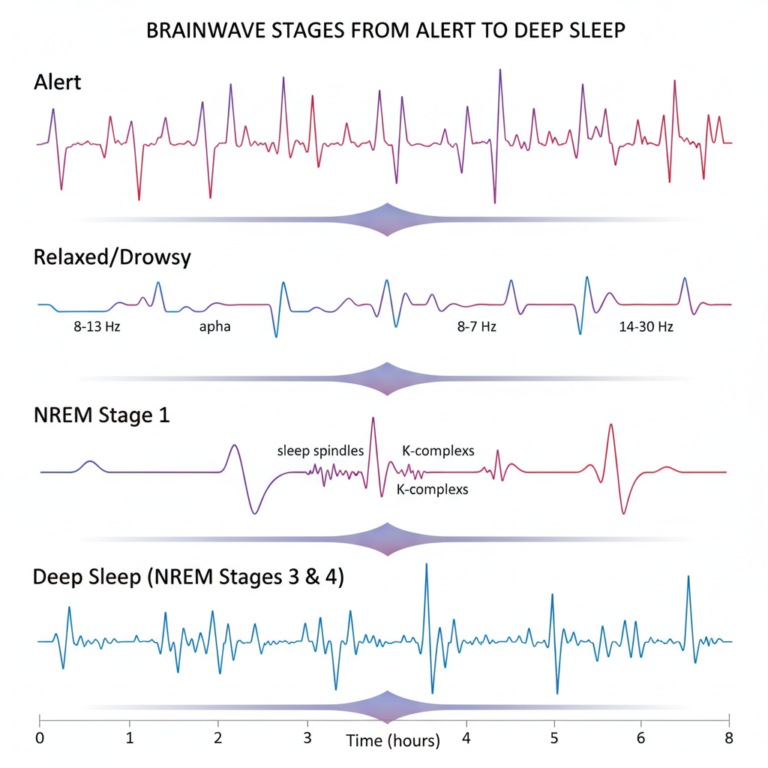
Sleep occurs in cycles, each lasting roughly ninety minutes and including different stages. Light sleep serves as a transition. Deep sleep is when physical restoration primarily occurs. REM sleep, characterized by rapid eye movement and dreaming, is crucial for cognitive function and emotional processing. A full night’s sleep includes multiple complete cycles, and disrupting any stage affects the benefits you receive.
The amount of sleep needed varies by individual and age, but most adults require seven to nine hours for optimal function. Quality matters as much as quantity—fragmented sleep that never reaches deeper stages leaves you tired even after adequate hours in bed.
Chronic sleep deprivation is associated with numerous health problems. It increases risk for obesity, diabetes, cardiovascular disease, and weakened immune function. It impairs cognitive performance, including memory, attention, and decision-making. It affects mood, increasing risk for depression and anxiety. It even impacts safety, contributing to accidents and errors.
Understanding how valuable sleep is can motivate you to prioritize it and seek solutions when it doesn’t come easily.
Common Causes of Sleep Difficulties
Sleep problems rarely have a single cause. Often, multiple factors combine to create a perfect storm of sleeplessness. Identifying what contributes to your difficulties helps you address them effectively.
Stress and anxiety are among the most common sleep disruptors. When your mind races with worries, to-do lists, or replays of the day’s events, the mental activity keeps you alert and prevents the relaxation needed for sleep. Stress also triggers physiological arousal—elevated heart rate, tense muscles, increased cortisol—that’s incompatible with drifting off.
Poor sleep hygiene refers to habits and environmental factors that undermine sleep. This includes irregular sleep schedules, stimulating activities before bed, uncomfortable sleep environments, and using your bed for activities other than sleep.
Screen exposure before bed is particularly problematic in modern life. The blue light emitted by phones, tablets, computers, and televisions suppresses melatonin production, your body’s natural sleep hormone. Beyond the light itself, the content you consume—social media, news, work emails—often stimulates mental activity when you should be winding down.
Caffeine stays in your system longer than many people realize. Its half-life is roughly five to six hours, meaning half the caffeine from your 3 PM coffee is still circulating at 9 PM. For some people, even morning caffeine can affect sleep.
Alcohol is deceptive. While it may help you fall asleep initially, it disrupts sleep architecture, particularly REM sleep, causing fragmented, poor-quality rest. You may fall asleep faster but wake more often and feel less restored.
Eating habits affect sleep in various ways. Heavy meals close to bedtime can cause discomfort and indigestion. Spicy or acidic foods may trigger heartburn when you lie down. Blood sugar fluctuations from sugary foods can disrupt sleep.
Physical discomfort from pain, illness, or uncomfortable sleeping conditions makes quality sleep difficult. Temperature matters too—most people sleep best in a slightly cool room.
Medical conditions including sleep apnea, restless leg syndrome, chronic pain, gastroesophageal reflux, thyroid disorders, and others can significantly impact sleep. Mental health conditions like depression and anxiety commonly involve sleep disturbances.
Medications sometimes interfere with sleep as a side effect. These include certain antidepressants, blood pressure medications, corticosteroids, decongestants, and others.
Hormonal changes during menstruation, pregnancy, and menopause can all affect sleep quality.
Shift work and jet lag disrupt your circadian rhythm, making it difficult to sleep at appropriate times.
Natural Sleep Aids for Bedtime
These natural approaches work through various mechanisms—calming the nervous system, supporting melatonin production, relaxing muscles, quieting mental chatter, or creating conditions conducive to sleep.
Herbal Remedies
Plants have been used for centuries to promote sleep, and modern research supports the calming effects of several herbs.
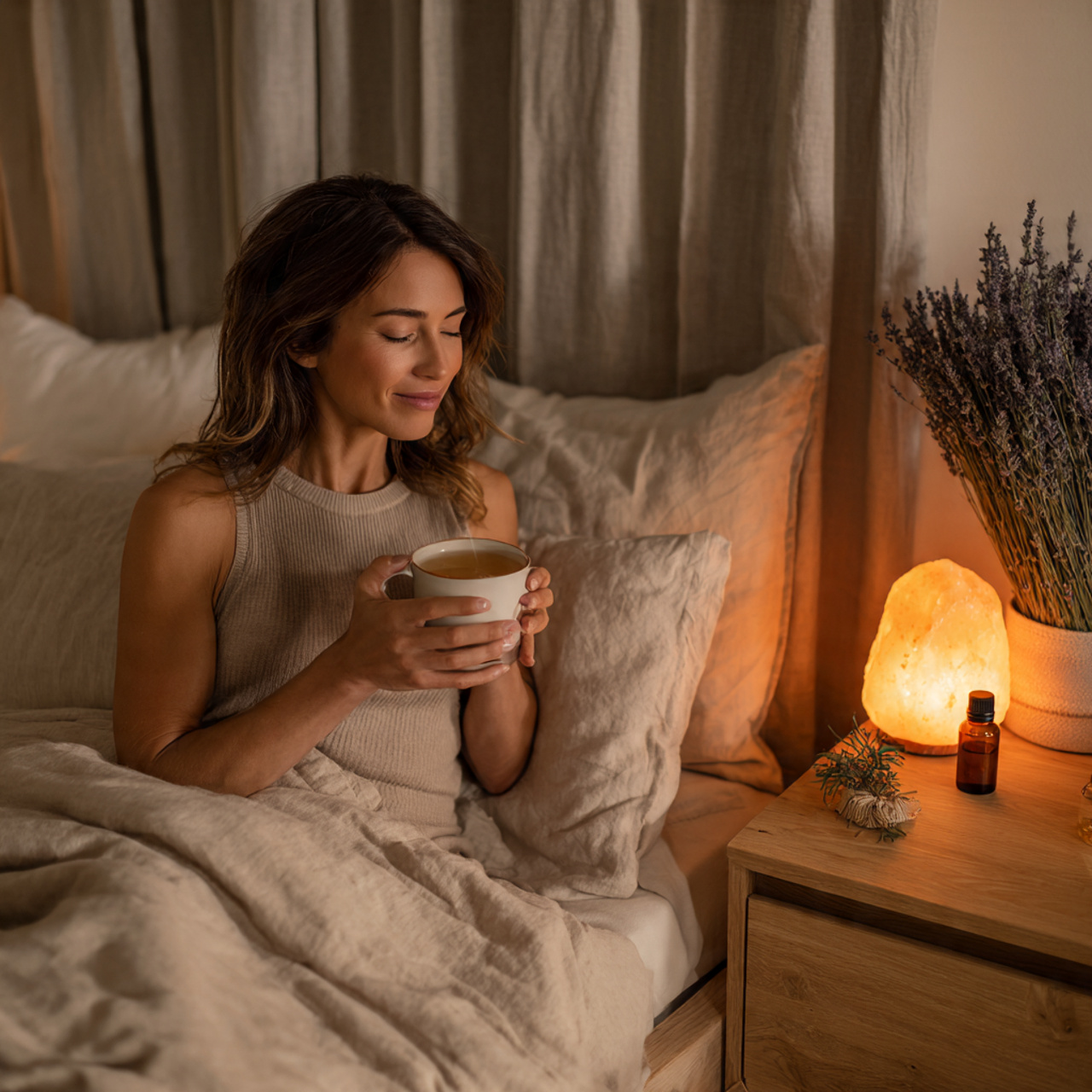
Chamomile is perhaps the most familiar sleep herb, commonly consumed as tea. It contains apigenin, a compound that binds to certain brain receptors and promotes relaxation. Chamomile has mild sedative effects and is generally very safe. Drinking a cup of chamomile tea an hour before bed creates both a calming ritual and delivers the herb’s gentle benefits. Those with allergies to ragweed or related plants should use caution, as chamomile belongs to the same family.
Valerian root has been used for sleep since ancient Greek and Roman times. Research results are mixed, but many studies suggest it can improve sleep quality and reduce the time needed to fall asleep. Valerian appears to work by increasing GABA activity in the brain, producing calming effects. It’s available as tea, capsules, or tinctures. The effects may take a few weeks of regular use to fully develop. Valerian has a distinctive strong odor that some find unpleasant.
Passionflower is another traditional remedy for anxiety and insomnia. Studies suggest it can improve sleep quality, possibly by boosting GABA levels. It’s often combined with other calming herbs. Passionflower is available as tea, capsules, or liquid extract.
Lavender is well-known for its calming scent. Aromatherapy using lavender essential oil has been shown to improve sleep quality in numerous studies. You can diffuse lavender oil in your bedroom, add a few drops to a warm bath, spray diluted lavender on your pillow, or apply it topically (properly diluted with a carrier oil). Some people also take lavender internally in capsule form, though essential oils should never be swallowed unless specifically formulated for internal use.
Lemon balm is a member of the mint family with gentle calming properties. It’s often combined with other herbs like valerian or chamomile for sleep support. Lemon balm tea has a pleasant, slightly citrusy flavor.
Magnolia bark has been used in traditional Chinese medicine for sleep and anxiety. It contains compounds that may enhance GABA activity and promote relaxation.
Ashwagandha is an adaptogenic herb that helps the body manage stress. By reducing cortisol levels and promoting a calmer state, it may indirectly support better sleep, particularly for those whose sleep problems relate to stress and anxiety.
When trying herbal remedies, start with one at a time so you can evaluate its effects. Give each herb a fair trial of at least a couple weeks before deciding if it helps. Quality varies significantly between products, so choose reputable brands.
Supplements That Support Sleep
Several non-herbal supplements may help with sleep through different mechanisms.
Melatonin is a hormone naturally produced by your pineal gland in response to darkness. Supplemental melatonin can help regulate your sleep-wake cycle, particularly useful for jet lag, shift work, or when your natural rhythm is disrupted. It’s generally more effective for falling asleep than staying asleep. Start with a low dose (0.5 to 1 mg) about thirty minutes before bed, as higher isn’t necessarily better and can actually be less effective for some people.
Magnesium is involved in hundreds of bodily processes, including those that regulate sleep. Many people don’t get enough magnesium from diet alone. Supplementation may help with sleep, particularly for those who are deficient. Magnesium glycinate and magnesium citrate are well-absorbed forms. Magnesium also helps with muscle relaxation, potentially benefiting those whose sleep is disrupted by tension or restless legs.
L-theanine is an amino acid found naturally in tea leaves. It promotes relaxation without drowsiness by increasing calming neurotransmitters and alpha brain waves. It can help quiet a busy mind at bedtime. L-theanine works well combined with other sleep supports.
Glycine is an amino acid that may improve sleep quality by lowering body temperature and calming the nervous system. Some research suggests it helps people fall asleep faster and achieve deeper sleep.
Tart cherry juice is a natural source of melatonin and also contains compounds that may reduce inflammation. Studies suggest that tart cherry juice consumption can improve sleep duration and quality.
5-HTP is a precursor to serotonin, which converts to melatonin. It may help with sleep, particularly for those with low serotonin levels. However, it should not be combined with antidepressants or other serotonin-affecting medications without medical supervision.
Always consult a healthcare provider before starting supplements, especially if you take medications, as interactions can occur.
Relaxation Techniques
Learning to relax your body and mind is one of the most powerful natural sleep aids, with no side effects and benefits that extend beyond sleep.
Deep breathing exercises activate your parasympathetic nervous system, signaling safety and promoting relaxation. Try the 4-7-8 technique: inhale through your nose for four counts, hold for seven counts, exhale slowly through your mouth for eight counts. Repeat several times. The extended exhale is key—it triggers the relaxation response.
Progressive muscle relaxation systematically releases physical tension. Starting with your feet and working up to your face, tense each muscle group for five seconds, then release completely for thirty seconds. Notice the contrast between tension and relaxation. By the time you finish, your whole body feels looser and more ready for sleep.
Body scan meditation involves mentally moving through your body, noticing sensations without trying to change them. This practice draws attention away from racing thoughts and into physical awareness, promoting relaxation. Many guided body scans for sleep are available through apps and online.
Visualization uses your imagination to create calm. Picture yourself in a peaceful place—a beach, forest, mountain meadow, or any setting that feels restful. Engage all your senses: see the colors, hear the sounds, feel the temperature, smell the air. This mental journey distracts from worries and induces relaxation.
Mindfulness meditation trains you to observe thoughts without getting caught up in them. For sleep, this helps you notice racing thoughts and let them pass rather than engaging with them. Even brief regular practice can improve your relationship with nighttime anxiety.
Gentle yoga or stretching before bed releases physical tension and transitions your body from the activity of the day to the stillness of sleep. Focus on calming poses like child’s pose, legs up the wall, and gentle forward folds. Avoid vigorous or stimulating practices close to bedtime.
Creating a Sleep-Supportive Environment
Your bedroom environment significantly impacts sleep quality. Optimizing it removes obstacles and signals to your brain that it’s time for rest.
Darkness is essential because light suppresses melatonin. Use blackout curtains or a sleep mask to block external light. Cover or remove electronic devices with LED lights. If you need a nightlight, choose one with red or amber light, which affects melatonin less than blue or white light.
Temperature affects sleep profoundly. Most people sleep best in a cool room, around 65-68°F (18-20°C). Your body temperature naturally drops during sleep, and a cool environment supports this process. Experiment to find your ideal temperature.
Quiet allows uninterrupted sleep. If you can’t control noise sources, consider a white noise machine or fan to mask disruptive sounds. Some people find nature sounds or pink noise more pleasant than white noise. Earplugs are another option.
Comfortable bedding makes a real difference. Your mattress should support your body without creating pressure points. Pillows should keep your spine aligned. Bedding materials that breathe and regulate temperature help prevent overheating. Replace worn-out mattresses and pillows—if you wake with aches or sleep better in hotels, your bedding may need updating.
Reserve your bed for sleep and intimacy only. When you work, watch TV, scroll your phone, or do other activities in bed, your brain associates the space with wakefulness. Keeping the bed sacred for sleep strengthens the mental connection between bed and rest.
Remove clutter and create calm. A chaotic bedroom can create subconscious stress. A tidy, peaceful space promotes relaxation.
Establishing a Bedtime Routine
A consistent evening routine signals to your body and mind that sleep is approaching. Over time, these cues become powerful triggers for drowsiness.
Set a consistent bedtime and wake time, even on weekends. Your circadian rhythm thrives on regularity. Varying your schedule disrupts the biological processes that regulate sleep.
Begin winding down one to two hours before bed. Dim lights in your home to encourage melatonin production. Shift to calm activities—reading, gentle stretching, listening to soft music, taking a warm bath.
Avoid screens in the hour before bed, or at minimum, use blue light filtering settings. The stimulation from content, not just the light, can interfere with the mental winding down needed for sleep.
Take a warm bath or shower. The subsequent drop in body temperature as you cool off after bathing mimics the natural temperature drop that accompanies sleep onset, potentially helping you feel drowsy.
Practice your chosen relaxation techniques. Whether it’s deep breathing, meditation, progressive muscle relaxation, or gentle yoga, making this part of your routine reinforces the sleep association.
Avoid clock-watching. Calculating how much sleep you’ll get if you fall asleep right now increases anxiety and makes sleep harder. Turn clocks away from view.
Write down tomorrow’s worries or tasks. If your mind races with things you need to remember or do, spend a few minutes before bed writing them down. This “parking” of concerns can free your mind from holding onto them.
Dietary Considerations for Better Sleep
What and when you eat affects your sleep.
Avoid large meals within three hours of bedtime. Digestion takes energy and can cause discomfort when you lie down. If you’re hungry before bed, choose a small, light snack.
Limit caffeine, especially after noon. Remember that caffeine hides in many sources—coffee, tea, chocolate, some medications, and soft drinks. Know your sensitivity and cut off accordingly.
Reduce alcohol. While it may seem to help with falling asleep, alcohol impairs sleep quality significantly. If you drink, do so earlier in the evening and in moderation.
Stay hydrated during the day, but taper fluids in the evening to reduce nighttime bathroom trips.
Some foods contain compounds that may support sleep. Tart cherries contain melatonin. Turkey, chicken, and other proteins contain tryptophan, a precursor to serotonin and melatonin. Complex carbohydrates may help tryptophan reach the brain. Almonds and walnuts contain melatonin and magnesium. Kiwi has been associated with improved sleep in some studies. Warm milk is a traditional remedy that may work through tryptophan content, calcium, or simply the comfort of the ritual.
Avoid spicy, acidic, or fatty foods close to bedtime if you’re prone to heartburn or indigestion.
What Helps and What to Avoid
Habits That Support Sleep
- Maintaining consistent sleep and wake times daily
- Creating a dark, cool, quiet sleep environment
- Establishing a relaxing bedtime routine
- Limiting screen exposure before bed
- Practicing relaxation techniques regularly
- Avoiding caffeine in the afternoon and evening
- Limiting alcohol, especially close to bedtime
- Exercising regularly, but not too close to bedtime
- Getting natural light exposure during the day
- Keeping your bed reserved for sleep and intimacy
Habits That Harm Sleep
- Irregular sleep schedules
- Screen use right before bed
- Caffeine consumption late in the day
- Alcohol as a sleep aid
- Heavy meals close to bedtime
- Vigorous exercise in the evening
- Working or watching TV in bed
- Napping too long or too late in the day
- Clock-watching during the night
- Staying in bed when unable to sleep
When to See a Professional
While occasional sleep difficulties are normal, persistent problems deserve professional attention. Consult a healthcare provider if:
- Sleep problems persist for more than a few weeks despite good sleep hygiene
- You regularly take more than thirty minutes to fall asleep
- You wake frequently during the night and struggle to return to sleep
- You wake feeling unrefreshed despite adequate time in bed
- Daytime sleepiness affects your functioning, work, or safety
- You snore loudly, gasp, or stop breathing during sleep (or a partner reports this)
- You experience uncomfortable sensations in your legs that interfere with sleep
- You rely on sleep aids nightly to fall asleep
- Sleep problems are accompanied by depression, anxiety, or other mental health concerns
- You’re concerned about your sleep for any reason
Sleep disorders like sleep apnea, restless leg syndrome, and insomnia are treatable conditions. Cognitive behavioral therapy for insomnia (CBT-I) is highly effective and is often recommended as a first-line treatment for chronic insomnia, with benefits that can outlast those of medication.
Underlying conditions affecting sleep need proper diagnosis and treatment. Don’t assume you just have to live with poor sleep—help is available.
Frequently Asked Questions
How long before bed should I take natural sleep aids?
Timing varies by the specific aid. Herbal teas like chamomile are best enjoyed about an hour before bed, allowing time to drink leisurely and for the herbs to take effect while also giving you time for a final bathroom trip. Supplements like melatonin are typically taken thirty to sixty minutes before your intended bedtime. Relaxation practices can begin as part of your wind-down routine an hour or two before bed. Environmental adjustments should be in place before you get into bed. Creating a consistent routine with predictable timing helps your body learn when sleep is approaching.
Can I combine multiple natural sleep aids?
Many natural sleep aids can be combined safely and may even work better together. Herbal teas often contain blends of calming herbs for this reason. Combining a supplement like magnesium with relaxation techniques and good sleep hygiene addresses multiple aspects of sleep. However, be cautious about combining multiple supplements, especially at higher doses, without guidance. Some combinations can cause excessive sedation or interactions. Start with one or two approaches, assess their effects, and add others gradually. If you take any medications, consult your healthcare provider before combining supplements.
Why do I feel more awake at bedtime than earlier in the evening?
This common experience often relates to a phenomenon called “second wind” and your circadian rhythm. Your body may be producing a surge of cortisol or other alerting hormones if your natural sleep window has passed. Artificial light, especially from screens, can suppress melatonin production just when you need it most. Mental stimulation from activities, conversations, or content consumption can activate your brain. Sometimes anxiety about sleep itself creates arousal. Establishing an earlier, consistent bedtime with a proper wind-down routine helps align your behavior with your biological rhythms and prevents this second wind.
Are natural sleep aids safe to use every night?
Most herbal remedies and lifestyle approaches to sleep are generally safe for nightly use, though individual responses vary. Chamomile tea, good sleep hygiene, relaxation practices, and environmental optimization can all be used indefinitely. Some supplements may be better suited for short-term or occasional use, and long-term safety data is limited for others. Melatonin is typically recommended for short-term use or specific situations like jet lag, though some people use it regularly under healthcare guidance. With any supplement, taking periodic breaks allows you to assess your baseline and prevents potential dependency on the substance rather than developing natural sleep ability. If you find you need something every single night to sleep, discussing this with a healthcare provider is worthwhile.
Will natural sleep aids make me groggy in the morning?
Generally, natural sleep aids are less likely to cause morning grogginess compared to prescription or over-the-counter sleep medications. Herbs like chamomile and passionflower typically don’t produce hangover effects. Valerian occasionally causes morning drowsiness in some people. Melatonin, when taken at appropriate doses, usually doesn’t impair next-day function, though higher doses may cause grogginess for some. If you experience morning drowsiness from any sleep aid, try reducing the dose or taking it earlier in the evening. Improved sleep quality should ultimately help you wake feeling more refreshed, not less.
Conclusion
Sleep is not a luxury—it’s a biological necessity that profoundly affects every aspect of your health and life. When sleep doesn’t come easily, the frustration adds to the problem, creating a cycle that can feel impossible to break.
Natural sleep aids offer a gentler path to rest. From calming herbs that have soothed humans for centuries to modern understanding of how light, temperature, and routine affect our biology, numerous tools exist to help coax your body and mind toward sleep.
The most effective approach usually combines multiple strategies. Good sleep hygiene forms the foundation—consistent schedules, a supportive environment, and habits that promote rather than undermine rest. Relaxation techniques address the mental component, teaching your racing mind to quiet. Herbal remedies and supplements can provide additional support when needed. Together, these elements create conditions where sleep can occur naturally.
Change takes time. Sleep habits develop over years, and shifting them requires patience and consistency. You may not notice dramatic improvement overnight, but small changes accumulate. Each night of slightly better sleep makes the next one more likely.
Be compassionate with yourself on difficult nights. Fighting insomnia with frustration only feeds it. Accepting that some nights will be harder, getting up if you can’t sleep rather than lying there struggling, and trusting that sleep will come eventually removes the pressure that keeps you awake.
Your body knows how to sleep—it’s done it your whole life. Sometimes it just needs a little help remembering. With the right support, the natural sleep aids that work for you, and patience with the process, restful nights are within reach. Sweet dreams.
Medical Disclaimer: This article is for informational purposes only and is not medical advice. It is not intended to diagnose, treat, cure, or prevent any condition. Chronic sleep problems can sometimes indicate underlying health issues that require medical attention. Always consult a healthcare professional before starting any new supplement, especially if you are pregnant, nursing, taking medications, or have a health condition.