
Daily Tips for Healthy Prostate: Simple Habits Every Man Should Know

Introduction
If you are a man over 40, chances are you have started thinking more about your prostate health. Maybe you have noticed some changes lately. More trips to the bathroom at night. A feeling like your bladder is never quite empty. Or just a nagging sense that something is different.
You are not alone. Millions of men across the United States deal with prostate-related concerns as they age. The good news is that there are simple daily tips for healthy prostate that can make a real difference in how you feel.
This article will walk you through easy lifestyle changes, natural remedies, and practical habits that support prostate wellness. No complicated medical terms. No scary information. Just straightforward tips you can start using today.
What Is the Prostate and Why Does It Matter?
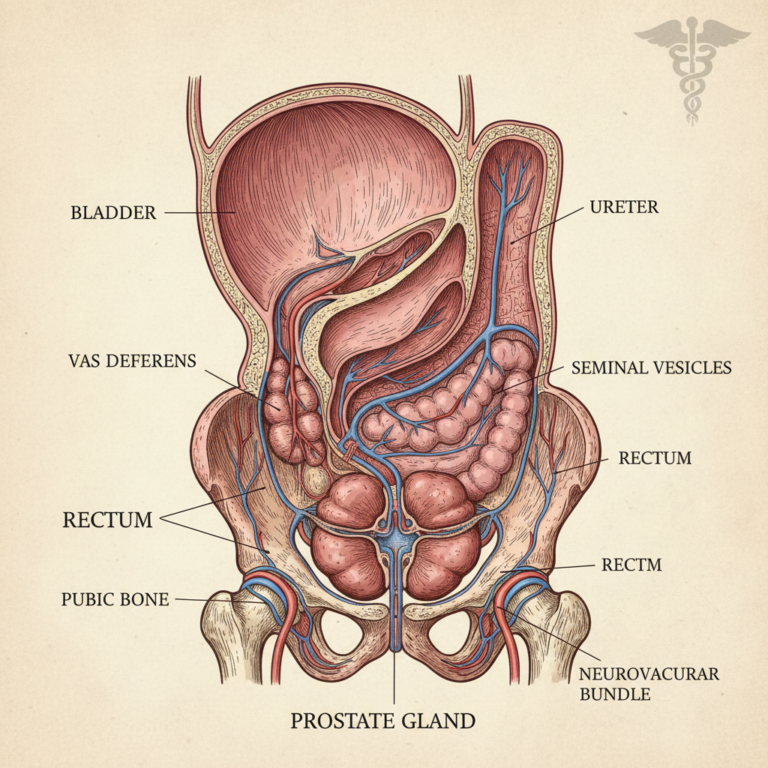
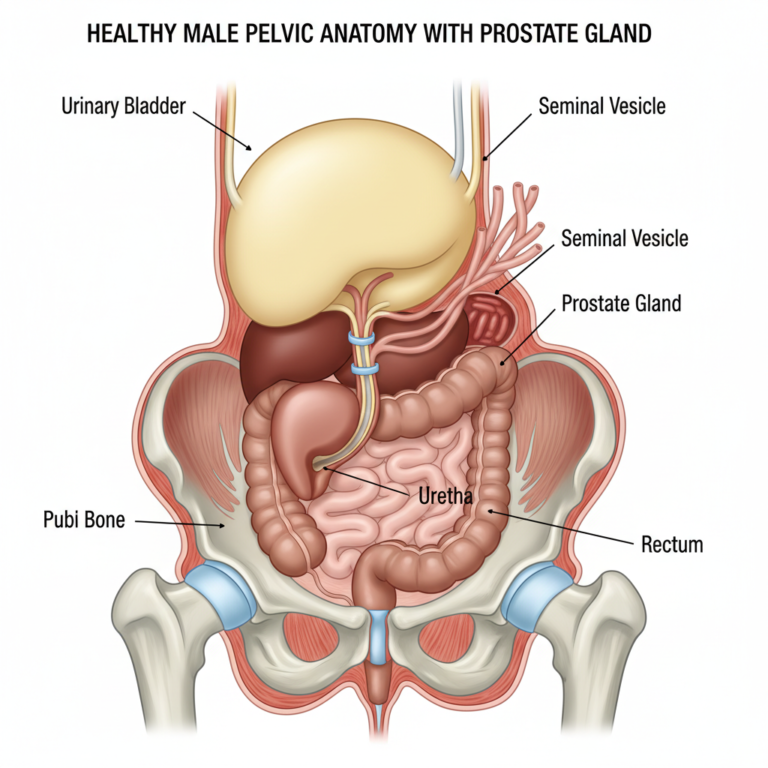
The prostate is a small gland about the size of a walnut. It sits below the bladder and surrounds part of the urethra, which is the tube that carries urine out of your body.
This little gland plays an important role in the male reproductive system. It produces fluid that mixes with sperm to create semen.
As men get older, the prostate often grows larger. This is completely normal and happens to most men. However, when the prostate gets too big, it can press against the bladder and urethra. This pressure can cause uncomfortable symptoms that affect daily life.
Taking care of your prostate is about maintaining quality of life. When your prostate is healthy, you sleep better at night, feel more comfortable during the day, and worry less about bathroom emergencies.
Common Causes of Prostate Problems
Understanding what affects prostate health can help you make better choices. Here are some common factors that may contribute to prostate issues:
- Age: The prostate naturally grows larger as men get older. Most prostate concerns show up after age 50.
- Diet: Eating lots of processed foods, red meat, and unhealthy fats may not be good for prostate health.
- Lack of exercise: A sedentary lifestyle is linked to many health issues, including those affecting the prostate.
- Excess weight: Carrying extra pounds, especially around the belly, may put more stress on the prostate area.
- Dehydration: Not drinking enough water can irritate the bladder and make symptoms worse.
- Hormonal changes: As men age, hormone levels shift. These changes can affect prostate size and function.
- Family history: If your father or brother had prostate problems, you may have a higher chance of experiencing them too.
Common Symptoms to Be Aware Of
Every man is different, but here are some basic signs that your prostate might need some attention:
- Waking up multiple times at night to urinate
- Feeling like you need to go urgently
- Weak urine stream or dribbling
- Difficulty starting to urinate
- Feeling like your bladder is not completely empty
- Stopping and starting while urinating
- Discomfort in the pelvic area
These symptoms do not automatically mean something serious is wrong. Many men experience them as a normal part of aging. However, paying attention to these signs can help you take action early and support your prostate through healthy habits.
Natural Remedies and Lifestyle Tips for Prostate Health
Now for the part you have been waiting for. Here are practical daily tips for healthy prostate that you can start today.
Eat More Fruits and Vegetables
A diet rich in colorful fruits and vegetables is one of the best things you can do for your body, including your prostate. Focus on:
- Tomatoes: These contain lycopene, a natural compound that gives tomatoes their red color. Cooked tomatoes, like those in sauce or soup, may be even more beneficial.
- Cruciferous vegetables: Broccoli, cauliflower, cabbage, and Brussels sprouts are packed with nutrients that support overall health.
- Berries: Blueberries, strawberries, and raspberries are full of antioxidants.
- Leafy greens: Spinach, kale, and Swiss chard provide vitamins and minerals your body needs.
Choose Healthy Fats
Not all fats are bad. Some fats actually support good health. Try to include:
- Fatty fish like salmon, mackerel, and sardines
- Nuts and seeds, especially walnuts and flaxseeds
- Olive oil for cooking and salads
- Avocados
At the same time, try to limit fried foods, processed snacks, and foods high in saturated fats.
Stay Hydrated the Smart Way
Drinking enough water is important, but timing matters too. Here are some tips:
- Drink water steadily throughout the day rather than large amounts at once
- Reduce fluid intake in the evening to minimize nighttime bathroom trips
- Limit caffeine and alcohol, as these can irritate the bladder
Move Your Body Every Day
Regular physical activity supports prostate health in several ways. It helps maintain a healthy weight, improves circulation, and reduces stress.
You do not need to run marathons or lift heavy weights. Simple activities work great:
- A 30-minute walk each day
- Swimming or water aerobics
- Cycling at a comfortable pace
- Gentle stretching or yoga
- Light strength training
The key is consistency. Find something you enjoy and stick with it.
Try Kegel Exercises
Kegel exercises are not just for women. Men can benefit from them too. These exercises strengthen the pelvic floor muscles, which support the bladder and prostate.
To do a Kegel exercise:
- Find the muscles you use to stop urinating midstream
- Squeeze these muscles and hold for five seconds
- Release and relax for five seconds
- Repeat ten times, three times a day
Manage Stress
Chronic stress can affect every part of your body, including your prostate area. When you are stressed, you may hold tension in your pelvic muscles without realizing it.
Try these stress-relief techniques:
- Deep breathing exercises
- Meditation or mindfulness
- Spending time outdoors
- Hobbies you enjoy
- Talking with friends or family
Get Enough Sleep
Sleep is when your body repairs and restores itself. Poor sleep can affect hormone levels and overall health.
Aim for seven to eight hours of quality sleep each night. If nighttime bathroom trips are interrupting your sleep, try limiting fluids after dinner and emptying your bladder before bed.
Consider Natural Supplements
Some men find that certain supplements support their prostate health. Popular options include:
- Saw palmetto: A plant extract that has been used for prostate support for many years
- Pumpkin seed oil: Contains nutrients that may benefit the prostate
- Zinc: An important mineral for prostate function
- Green tea extract: Contains antioxidants that support overall health
Always talk to a healthcare provider before starting any new supplement, especially if you take medications.
What Helps and What to Avoid
Things That May Help
- Eating a plant-based diet rich in vegetables
- Staying physically active every day
- Maintaining a healthy weight
- Drinking green tea
- Getting regular check-ups
- Managing stress levels
- Limiting alcohol consumption
Things to Avoid or Limit
- Processed and fried foods
- Excessive red meat consumption
- Too much caffeine, especially in the evening
- Sugary drinks and snacks
- Sitting for long periods without breaks
- Ignoring symptoms or changes in your body
- Holding urine for too long
When to See a Doctor
While daily tips for healthy prostate can support your wellness, some situations require professional attention.
Consider seeing a healthcare provider if you experience:
- Blood in your urine or semen
- Pain or burning during urination
- Severe or sudden symptoms
- Symptoms that get worse over time
- Difficulty urinating at all
- Unexplained weight loss
- Persistent pain in your back, hips, or pelvis
Regular prostate screenings are important for men over 50, or earlier if you have risk factors like family history. Talk to your doctor about what screening schedule is right for you.
Remember, early detection is key for many health concerns. Do not hesitate to reach out to a healthcare professional if something does not feel right.
Frequently Asked Questions
What age should men start caring about prostate health?
It is never too early to adopt healthy habits. However, most men start paying closer attention to prostate health around age 40 to 50. This is when the prostate often begins to grow larger and symptoms may appear.
Can diet really affect the prostate?
Yes, what you eat matters. A diet high in fruits, vegetables, and healthy fats supports overall health, including prostate wellness. On the other hand, diets high in processed foods and unhealthy fats may have the opposite effect.
How often should I get my prostate checked?
This depends on your age, family history, and risk factors. Generally, men should discuss prostate screenings with their doctor starting around age 50. Those with higher risk may need to start earlier.
Are natural supplements safe for prostate health?
Many natural supplements are generally considered safe, but they are not regulated the same way as medications. Always consult with a healthcare provider before starting any supplement to make sure it is appropriate for you.
Can exercise help with prostate problems?
Regular physical activity supports prostate health by helping you maintain a healthy weight, reducing inflammation, and improving circulation. Even gentle exercises like walking can make a difference.
Conclusion
Taking care of your prostate does not have to be complicated. Small daily habits can add up to big results over time.
By eating more fruits and vegetables, staying active, managing stress, and making smart lifestyle choices, you are giving your prostate the support it needs. These daily tips for healthy prostate are simple, natural, and easy to fit into your routine.
Remember, your health is in your hands. Start with one or two changes today and build from there. Your future self will thank you.
And if you ever have concerns or notice changes in your body, do not hesitate to reach out to a healthcare professional. Taking care of yourself is always the right choice.
Here is to your health and wellness!
Medical Disclaimer: This article is for informational purposes only and is not intended to diagnose, treat, cure, or prevent any disease. Always consult with a qualified healthcare provider before making changes to your diet, lifestyle, or health routine.