
Gentle Remedies for Gum Recession: Natural Ways to Support Your Gum Health
Introduction
Have you noticed your teeth looking a little longer than they used to? Maybe your gums seem to be pulling back, or you have started feeling sensitivity when you drink something cold. If this sounds familiar, you might be dealing with gum recession.
It is a common concern that affects millions of Americans, and it can feel worrying when you first notice it. The good news is that there are gentle remedies for gum recession that can help support your gum health naturally.
This article will explain what gum recession is, why it happens, and what you can do about it at home. We will focus on soft, natural approaches that are kind to your sensitive gums. No harsh chemicals. No scary procedures. Just simple, supportive care you can start today.
What Is Gum Recession?
Gum recession happens when the gum tissue that surrounds your teeth starts to pull back or wear away. When this happens, more of the tooth becomes visible, including the root in more advanced cases.
Think of your gums like a protective blanket around your teeth. When that blanket starts to slip down, the sensitive parts of your teeth become exposed. This can lead to sensitivity, discomfort, and other concerns.
Gum recession usually happens gradually. Many people do not even notice it at first because the changes are so slow. That is why paying attention to your gum health is so important.
The space that forms between your teeth and gum line can also become a place where bacteria like to hide. This makes good oral hygiene even more essential when you are dealing with receding gums.
Common Causes of Gum Recession
Understanding why gums recede can help you make better choices for your oral health. Here are some common factors that contribute to gum recession:
- Brushing too hard: Using a hard-bristled toothbrush or scrubbing aggressively can wear away gum tissue over time.
- Gum disease: This is one of the most common causes. Bacterial infections can damage the gum tissue and the bone that supports your teeth.
- Poor oral hygiene: Not brushing and flossing regularly allows plaque to build up, which can lead to gum problems.
- Genetics: Some people are simply more prone to gum issues because of their family history.
- Hormonal changes: Women may experience gum sensitivity during pregnancy, menopause, or other times of hormonal shifts.
- Teeth grinding: Clenching or grinding your teeth puts extra pressure on your gums and can cause them to recede.
- Tobacco use: Smoking or chewing tobacco is hard on your gums and can contribute to recession.
- Crooked teeth or misaligned bite: When teeth do not line up properly, uneven pressure can affect the gums.
- Lip or tongue piercings: Jewelry in the mouth can rub against the gums and cause irritation over time.
Common Symptoms of Gum Recession
How do you know if your gums are receding? Here are some signs to watch for:
- Teeth that appear longer than before
- Visible tooth roots
- Sensitivity to hot, cold, or sweet foods and drinks
- A notch or groove near the gum line
- Gums that look red, swollen, or inflamed
- Bleeding when brushing or flossing
- Bad breath that does not go away
- Teeth that feel loose or wobbly
- Changes in how your teeth fit together when you bite
If you notice any of these symptoms, it is a good idea to pay extra attention to your oral care routine and consider seeing a dental professional.
Gentle Remedies for Gum Recession
Now let us talk about the natural and gentle approaches that can support your gum health. These remedies focus on being kind to your sensitive gums while promoting healing and comfort.
Switch to a Soft-Bristled Toothbrush
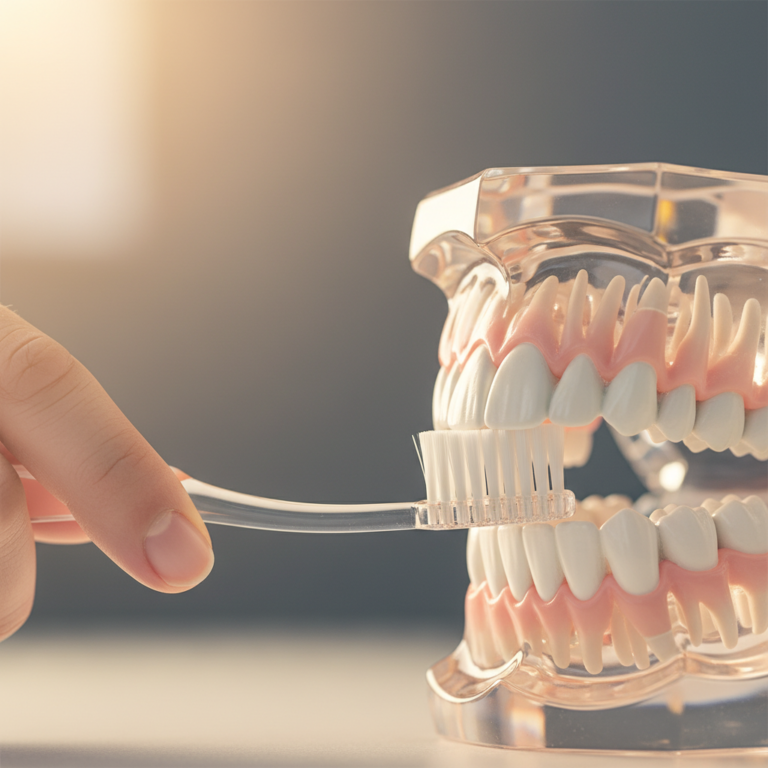
One of the simplest changes you can make is switching to a soft or extra-soft toothbrush. Hard bristles can be too rough on delicate gum tissue.
When brushing:
- Use gentle, circular motions instead of back-and-forth scrubbing
- Hold your toothbrush at a 45-degree angle to your gums
- Take your time and be patient
- Replace your toothbrush every three to four months
Some people find that electric toothbrushes with pressure sensors help them avoid brushing too hard.
Try Oil Pulling
Oil pulling is an ancient practice that involves swishing oil around in your mouth to support oral health. Many people find it soothing for their gums.
How to oil pull:
- Use about one tablespoon of coconut oil, sesame oil, or olive oil
- Swish it gently around your mouth for 15 to 20 minutes
- Do not gargle or swallow the oil
- Spit it out into a trash can (not the sink, as it can clog pipes)
- Rinse your mouth with warm water
- Brush your teeth as normal
Try doing this first thing in the morning before eating or drinking anything. Start with just five minutes if 20 minutes feels too long.
Use a Saltwater Rinse
Saltwater is a natural and gentle way to soothe irritated gums. It can help reduce bacteria and calm inflammation.
To make a saltwater rinse:
- Mix half a teaspoon of salt into a cup of warm water
- Stir until the salt dissolves
- Swish the solution around your mouth for 30 seconds
- Spit it out and repeat if desired
- Use this rinse two to three times a day
Saltwater rinses are safe for daily use and can be especially helpful after meals.
Apply Aloe Vera Gel
Aloe vera is known for its soothing properties, and it can be gentle on sensitive gums. Look for pure aloe vera gel without added sugars or artificial ingredients.
How to use aloe vera for gums:
- Apply a small amount of pure aloe vera gel to your gums
- Gently massage it in with clean fingers
- Leave it on for a few minutes
- Rinse with water
- Repeat once or twice daily
Some people also use aloe vera as a natural mouthwash by mixing it with water and swishing.
Try Green Tea
Green tea contains natural compounds that may support gum health. Drinking it regularly is an easy way to incorporate it into your routine.
Benefits of green tea for oral health:
- Contains antioxidants that support overall wellness
- May help reduce inflammation
- Can help fight bacteria in the mouth
- Provides gentle, natural support
Aim for one to two cups of unsweetened green tea daily. You can also let cooled green tea sit in your mouth for a moment before swallowing.
Use Clove Oil Carefully
Clove oil has been used for centuries to support oral comfort. It has natural soothing properties that some people find helpful for gum sensitivity.
How to use clove oil safely:
- Always dilute clove oil with a carrier oil like coconut oil
- Use a ratio of one drop of clove oil to one teaspoon of carrier oil
- Apply a tiny amount to the affected area with a clean cotton swab
- Leave it on for a few minutes, then rinse
- Use sparingly, as clove oil is very strong
Never apply undiluted clove oil directly to your gums, as it can cause irritation.
Massage Your Gums
Gentle gum massage can help increase blood flow to the area and may support gum health. It is simple, free, and feels relaxing.
How to massage your gums:
- Wash your hands thoroughly
- Use your clean index finger to gently rub your gums in circular motions
- Start at the gum line and work your way up
- Be very gentle and stop if you feel any pain
- Do this for a few minutes each day
You can also use a soft rubber gum stimulator, available at most drugstores.
Stay Hydrated
Drinking plenty of water throughout the day supports your oral health in several ways. It helps wash away food particles, keeps your mouth moist, and supports saliva production.
Dry mouth can contribute to gum problems, so staying hydrated is important. Aim for at least eight glasses of water daily, and sip water after meals and snacks.
Eat Gum-Friendly Foods
Your diet plays a role in gum health. Focus on foods that provide the nutrients your gums need to stay healthy.
Foods that support gum health:
- Crunchy vegetables: Carrots, celery, and cucumbers help clean teeth naturally
- Leafy greens: Spinach, kale, and lettuce are rich in vitamins
- Citrus fruits: Oranges and grapefruits provide vitamin C (rinse your mouth after eating to protect enamel)
- Dairy products: Milk, cheese, and yogurt contain calcium
- Fatty fish: Salmon and mackerel provide omega-3 fatty acids
- Nuts and seeds: Almonds and sunflower seeds offer important minerals
What Helps and What to Avoid
Things That May Help
- Using a soft-bristled toothbrush with gentle pressure
- Flossing daily with care and patience
- Rinsing with saltwater or alcohol-free mouthwash
- Eating a balanced diet rich in vitamins and minerals
- Staying hydrated throughout the day
- Practicing oil pulling regularly
- Getting regular dental checkups
- Managing stress, which can lead to teeth grinding
- Wearing a night guard if you grind your teeth
Things to Avoid
- Hard-bristled toothbrushes and aggressive brushing
- Tobacco products of any kind
- Alcohol-based mouthwashes that can dry out your mouth
- Sugary foods and drinks that feed harmful bacteria
- Acidic foods and beverages in excess
- Skipping dental appointments
- Ignoring early signs of gum problems
- Using your teeth as tools to open packages
- Chewing on ice, pens, or other hard objects
When to See a Dentist
While gentle remedies for gum recession can support your oral health, some situations need professional care.
See a dental professional if you experience:
- Gums that bleed frequently or heavily
- Significant pain or discomfort
- Teeth that feel loose
- Pus between your teeth and gums
- Noticeable changes in your bite
- Severe sensitivity that interferes with eating or drinking
- Gum recession that seems to be getting worse quickly
- Any signs of infection
A dentist can evaluate your gum health and recommend appropriate treatments if needed. Early intervention is always better when it comes to gum problems.
Regular dental checkups, usually every six months, are important for catching issues early. Your dentist can spot gum recession before you even notice it yourself.
Frequently Asked Questions
Can gums grow back naturally?
Unfortunately, gum tissue does not regenerate on its own once it has receded. However, you can prevent further recession and support the health of your remaining gum tissue with proper care. In some cases, dental procedures can help restore gum coverage.
How long does it take to see improvement with natural remedies?
Results vary from person to person. Some people notice their gums feeling healthier within a few weeks of consistent care. Others may take longer. The key is to be patient and stay consistent with your gentle oral care routine.
Is gum recession reversible?
While you cannot reverse gum recession naturally, you can stop it from getting worse. Gentle remedies and good oral hygiene can help maintain your current gum health and prevent additional recession.
Can stress cause gum recession?
Stress itself does not directly cause gum recession, but it can lead to behaviors that do. Many people grind or clench their teeth when stressed, which puts pressure on the gums. Stress can also weaken the immune system, making it harder for your body to fight off gum infections.
Are electric toothbrushes better for receding gums?
Many electric toothbrushes have pressure sensors that alert you when you are brushing too hard. This feature can be helpful for people who tend to brush aggressively. However, a soft manual toothbrush used gently can work just as well.
Conclusion
Dealing with gum recession can feel overwhelming, but you have more control than you might think. By adopting gentle remedies for gum recession and making small changes to your daily routine, you can support your gum health naturally.
Remember to brush gently, floss with care, and try soothing remedies like saltwater rinses and oil pulling. Pay attention to your diet, stay hydrated, and listen to what your body is telling you.
Your gums deserve kindness and attention. With patience and consistent care, you can help protect the gum tissue you have and enjoy a healthier smile.
Start with one or two changes today. Small steps lead to big results over time. And if you ever have concerns, do not hesitate to reach out to a dental professional who can guide you on your journey to better gum health.
Here is to happy, healthy gums!
Medical Disclaimer: This article is for informational purposes only and is not intended to diagnose, treat, cure, or prevent any disease. Always consult with a qualified dental or healthcare professional before making changes to your oral care routine.