Gentle Remedies for Toenail Issues: Natural Ways to Support Healthy Toenails
Introduction
Your toenails might not be something you think about every day, but when something goes wrong with them, it is hard to ignore. Whether you have noticed discoloration, thickening, brittleness, or an ingrown nail that just will not quit, toenail issues can be uncomfortable and frustrating.
The good news is that many common toenail problems can be supported with gentle, natural remedies you can try at home. You do not always need harsh chemicals or expensive treatments to give your toenails some love.
This article will walk you through what causes toenail issues, how to recognize them, and the gentle remedies for toenail issues that can help you support healthier, happier feet. We will keep things simple, natural, and kind to your body.
Your feet carry you everywhere. Let us talk about how to take better care of them.
What Are Common Toenail Issues?
Toenail issues come in many forms. Some are cosmetic concerns, while others can cause real discomfort. Here are some of the most common problems people experience:
Fungal Infections: This is one of the most common toenail issues. Fungal infections can cause nails to turn yellow, white, or brown. The nail may become thick, crumbly, or brittle. It often starts at the tip of the nail and works its way back.
Ingrown Toenails: This happens when the edge of the nail grows into the skin beside it. It usually affects the big toe and can cause pain, redness, and swelling. In some cases, it can become infected.
Brittle or Cracked Nails: Nails that break, split, or peel easily are considered brittle. This can happen due to dryness, nutritional deficiencies, or repeated exposure to water and chemicals.
Thickened Nails: Nails can become abnormally thick due to fungal infections, injury, or circulation issues. Thick nails can be difficult to trim and may cause discomfort in shoes.
Discolored Nails: Nails can change color for many reasons. Yellow, white, green, or dark spots can indicate fungal infections, injury, or other underlying issues.
Ridged Nails: Vertical or horizontal ridges on the nails are common. Vertical ridges are often a normal part of aging, while horizontal ridges can sometimes indicate other concerns.
Nail Separation: Sometimes the nail can lift away from the nail bed. This is called onycholysis and can be caused by injury, infection, or other factors.
Common Causes of Toenail Issues
Understanding what causes toenail problems can help you prevent them and choose the right remedies. Here are some common factors:
- Fungal exposure: Walking barefoot in damp public places like pools, locker rooms, and showers can expose your feet to fungi.
- Moisture and sweat: Feet that stay damp for long periods create an ideal environment for fungal growth.
- Tight or poorly fitting shoes: Shoes that squeeze your toes can cause ingrown nails and other problems.
- Improper nail trimming: Cutting nails too short or rounding the corners can lead to ingrown toenails.
- Injury or trauma: Dropping something on your toe or repeated pressure from activities like running can damage nails.
- Poor circulation: Reduced blood flow to the feet can affect nail health and healing.
- Aging: As we get older, nails naturally become thicker and more brittle.
- Nutritional deficiencies: Lack of certain vitamins and minerals can affect nail strength and appearance.
- Excessive moisture exposure: Frequent hand washing, swimming, or working with water can dry out nails.
- Nail polish and harsh chemicals: Keeping polish on for too long or using acetone removers can weaken nails.
- Health conditions: Diabetes, thyroid issues, and other conditions can affect toenail health.
Common Symptoms of Toenail Issues
Here are some signs that your toenails might need some extra attention:
- Yellow, white, brown, or green discoloration
- Nails that appear thicker than normal
- Crumbly, brittle, or ragged nail edges
- Nails that break or split easily
- A foul smell coming from the nail area
- Pain or tenderness around the nail
- Redness or swelling near the nail edges
- Nails that have separated from the nail bed
- White spots or streaks on the nails
- Vertical or horizontal ridges
- Nails that curve inward at the edges
- Debris building up under the nail
If you notice any of these symptoms, gentle home care may help, but persistent or severe issues should be evaluated by a healthcare professional.
Gentle Remedies for Toenail Issues
Now let us explore the natural and gentle approaches that can support your toenail health. These remedies focus on being kind to your feet while promoting comfort and wellness.
Tea Tree Oil
Tea tree oil is one of the most popular natural remedies for toenail concerns, especially those related to fungal issues. It has natural properties that many people find supportive for nail health.
How to use tea tree oil:
- Always dilute tea tree oil with a carrier oil like coconut oil or olive oil
- Mix three to four drops of tea tree oil with one tablespoon of carrier oil
- Apply the mixture to the affected nail and surrounding skin using a cotton ball or clean finger
- Let it absorb for about 10 minutes, then wipe off any excess
- Repeat twice daily for best results
- Be patient, as it can take several weeks or months to see improvement
Never apply undiluted tea tree oil directly to the skin, as it can cause irritation.
Apple Cider Vinegar Soaks
Apple cider vinegar is a gentle, natural option that some people find helpful for toenail issues. Its mild acidic nature may help create an environment that is less friendly to fungus.
How to make an apple cider vinegar soak:
- Mix equal parts apple cider vinegar and warm water in a basin
- Soak your feet for 15 to 20 minutes
- Dry your feet thoroughly afterward, especially between the toes
- Repeat daily or every other day
- Moisturize your feet after soaking to prevent dryness
If you have sensitive skin, you can use a milder ratio of one part vinegar to two parts water.
Coconut Oil
Coconut oil is wonderfully moisturizing and has natural properties that may support nail and skin health. It is gentle enough for daily use and smells pleasant too.
How to use coconut oil for toenails:
- Warm a small amount of virgin coconut oil between your fingers
- Massage it into your toenails and cuticles
- Pay special attention to the nail bed and surrounding skin
- Leave it on overnight for best results, wearing clean cotton socks
- Use daily as part of your foot care routine
Coconut oil is also excellent for addressing dry, brittle nails and rough skin around the toes.
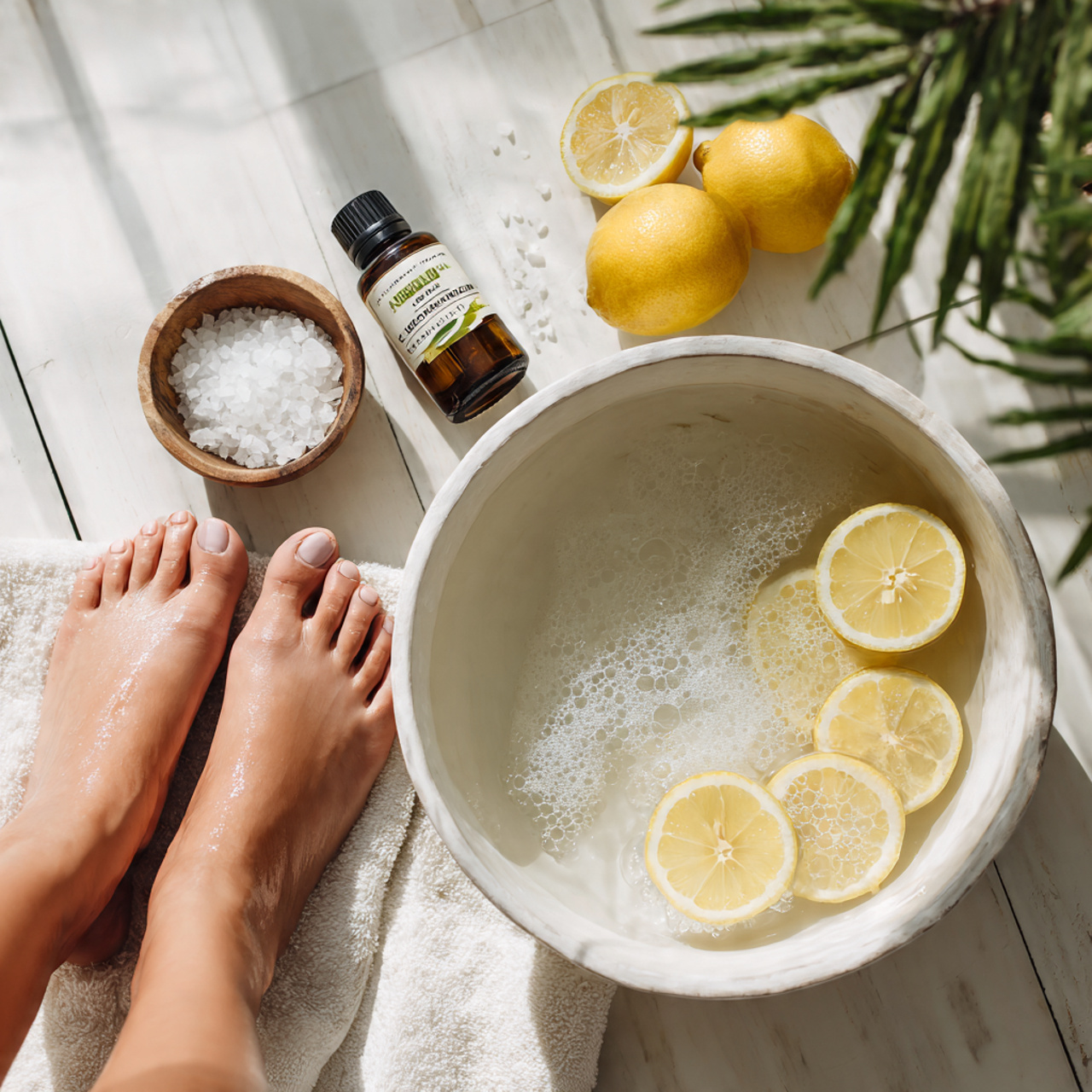
Epsom Salt Soaks
Epsom salt soaks are soothing, relaxing, and may help with various toenail issues. They are especially helpful for ingrown toenails, as the warm water can soften the skin and reduce discomfort.
How to make an Epsom salt soak:
- Fill a basin with warm water
- Add half a cup of Epsom salt and stir until dissolved
- Soak your feet for 15 to 20 minutes
- Gently dry your feet afterward
- Repeat two to three times per week or daily if dealing with an ingrown nail
You can add a few drops of essential oils like lavender or tea tree for extra benefits and a pleasant scent.
Baking Soda Paste
Baking soda is a gentle, natural ingredient that may help absorb moisture and support nail health. It can be used as a paste or added to foot soaks.
How to use baking soda:
As a paste:
- Mix baking soda with a small amount of water to form a thick paste
- Apply the paste to the affected nail
- Leave it on for 10 to 15 minutes
- Rinse off and dry thoroughly
- Repeat a few times per week
In a foot soak:
- Add three to four tablespoons of baking soda to a basin of warm water
- Soak your feet for 15 to 20 minutes
- Dry your feet completely afterward
Garlic
Garlic has been used for centuries in natural wellness practices. Some people apply it topically to support toenail health, though it has a strong smell.
How to use garlic for toenails:
- Crush one or two fresh garlic cloves to release the natural compounds
- Mix the crushed garlic with a carrier oil like olive oil
- Apply the mixture to the affected nail
- Cover with a bandage and leave on for 30 minutes to an hour
- Rinse off and dry thoroughly
- Use a few times per week
If garlic causes skin irritation, discontinue use and try a different remedy.
Oregano Oil
Oregano oil is another essential oil that some people find helpful for toenail concerns. It is very potent and must always be diluted.
How to use oregano oil:
- Mix two drops of oregano oil with one teaspoon of carrier oil
- Apply to the affected nail using a cotton swab
- Let it absorb naturally
- Use once or twice daily
- Watch for any signs of skin irritation
Oregano oil is strong, so start with a small amount to see how your skin reacts.
Proper Nail Trimming
Sometimes the gentlest remedy is simply taking better care of how you trim your nails. Proper trimming can prevent ingrown toenails and support overall nail health.
Tips for proper toenail trimming:
- Use clean, sharp nail clippers designed for toenails
- Cut nails straight across, not rounded at the corners
- Do not cut nails too short
- Smooth any rough edges with a nail file
- Trim nails after bathing when they are softer
- Clean under the nails gently
- Disinfect your clippers regularly
Keep Feet Clean and Dry
Moisture is one of the biggest enemies of healthy toenails. Keeping your feet clean and dry is a simple but powerful way to support nail health.
Tips for dry, clean feet:
- Wash your feet daily with mild soap
- Dry your feet thoroughly, especially between the toes
- Change socks if they become damp from sweat
- Choose moisture-wicking socks made of natural fibers or athletic materials
- Alternate shoes to allow them to dry out between wearings
- Use foot powder if you tend to sweat a lot
- Avoid wearing damp shoes or socks
Choose the Right Footwear
The shoes you wear have a big impact on your toenail health. Giving your toes room to breathe and move can prevent many issues.
Footwear tips for healthy toenails:
- Choose shoes with a roomy toe box
- Avoid pointed or narrow-toed shoes
- Wear breathable materials like leather or canvas
- Save high heels for special occasions
- Wear flip-flops or shower shoes in public pools and locker rooms
- Make sure shoes fit properly and do not squeeze your toes
- Replace worn-out shoes that no longer provide good support
Support Your Nails from the Inside
What you eat affects your nail health. Certain nutrients are especially important for strong, healthy nails.
Nutrients that support nail health:
- Biotin: Found in eggs, nuts, seeds, and sweet potatoes
- Protein: Found in lean meats, fish, beans, and legumes
- Iron: Found in spinach, red meat, and fortified cereals
- Zinc: Found in oysters, beef, pumpkin seeds, and chickpeas
- Omega-3 fatty acids: Found in salmon, walnuts, and flaxseed
- Vitamin E: Found in almonds, sunflower seeds, and avocados
Eating a balanced diet with plenty of fruits, vegetables, and whole grains supports overall nail wellness.
What Helps and What to Avoid
Things That May Help
- Keeping feet clean and completely dry
- Wearing breathable shoes and moisture-wicking socks
- Trimming nails straight across and not too short
- Using natural remedies like tea tree oil and apple cider vinegar
- Soaking feet in Epsom salt baths
- Moisturizing nails and cuticles with coconut oil
- Wearing protective footwear in public wet areas
- Eating a nutrient-rich diet
- Allowing nails to breathe without polish sometimes
- Disinfecting nail tools regularly
- Changing socks daily or more if needed
Things to Avoid
- Walking barefoot in public showers, pools, or locker rooms
- Wearing tight, narrow, or poorly fitting shoes
- Keeping feet in damp socks or shoes for long periods
- Cutting nails too short or rounding the corners
- Picking at or tearing toenails
- Sharing nail clippers or other foot care tools
- Ignoring early signs of toenail problems
- Using harsh chemical nail products frequently
- Applying nail polish over discolored or infected nails
- Wearing the same shoes every day without letting them dry
When to See a Doctor
While gentle remedies for toenail issues can be helpful for many situations, some cases need professional medical attention.
See a healthcare provider if you experience:
- Severe pain, redness, or swelling around a toenail
- Signs of infection such as pus, warmth, or spreading redness
- A toenail issue that does not improve after several weeks of home care
- Toenails that are very thick and difficult to trim
- Complete separation of the nail from the nail bed
- Dark streaks or spots under the nail that were not caused by injury
- Toenail problems accompanied by fever
- Any toenail concerns if you have diabetes or poor circulation
People with diabetes should be especially careful with foot and toenail issues, as they can lead to more serious complications. Always consult a healthcare provider before trying home remedies if you have diabetes or circulation problems.
A podiatrist or dermatologist can provide proper diagnosis and treatment options for stubborn or severe toenail issues.
Frequently Asked Questions
How long does it take for toenail issues to improve with natural remedies?
Toenails grow slowly, so improvement takes time. It can take anywhere from a few weeks to several months to see noticeable changes, depending on the issue and how consistently you use the remedies. Fungal issues in particular can take six months to a year to fully resolve because you need to wait for a healthy nail to grow out completely.
Can I wear nail polish if I have toenail issues?
It is generally best to avoid nail polish while dealing with toenail problems. Polish can trap moisture and make it harder for natural remedies to work. It can also hide changes in your nail that you need to monitor. Give your nails a break from polish until the issue improves.
Are toenail issues contagious?
Fungal toenail infections can be contagious. They can spread from person to person through shared surfaces like shower floors, towels, or nail tools. They can also spread from one toe to another on the same foot. Good hygiene and avoiding barefoot contact with public wet surfaces can help prevent spreading.
Why do toenails turn yellow?
Yellow toenails are often caused by fungal infections, but there can be other reasons too. These include frequent use of dark nail polish, smoking, aging, or certain health conditions. If your toenails have turned yellow and you are not sure why, it is worth having them checked by a healthcare provider.
Can I prevent toenail issues from coming back?
Yes, prevention is very possible with good habits. Keep your feet clean and dry, wear breathable footwear, trim nails properly, protect your feet in public wet areas, and maintain a healthy diet. If you have had a fungal infection, continue preventive practices even after the nail looks healthy to reduce the chance of recurrence.
Conclusion
Toenail issues are common, but that does not mean you have to live with discomfort or embarrassment. With gentle remedies for toenail issues and consistent care, you can support your nails on their journey back to health.
Start with simple steps like keeping your feet clean and dry, trimming your nails properly, and trying natural remedies like tea tree oil or apple cider vinegar soaks. Be patient with yourself and your toenails. Remember, nails grow slowly, and lasting improvement takes time.
Your feet work hard for you every single day. They deserve a little extra attention and care. By making small changes to your daily routine, you can help your toenails stay strong, healthy, and comfortable.
Take it one step at a time, and do not hesitate to seek professional help if your toenail issues are severe or do not improve. You have got this, and healthier toenails are within reach.
Here is to happy feet and healthy nails!
Medical Disclaimer: This article is for informational purposes only and is not intended to diagnose, treat, cure, or prevent any disease. Always consult with a qualified healthcare professional before making changes to your health routine, especially if you have diabetes or circulation problems.