Daily Tips for Stronger Gums: Simple Habits for Healthier Gums
Introduction
When you think about oral health, you probably think about your teeth first. But your gums are just as important—maybe even more so. After all, your gums hold your teeth in place and protect the roots and bones underneath.
Yet gum disease is incredibly common. Nearly half of adults over 30 have some form of gum disease. Many don’t even know it because early gum problems often don’t hurt.
Maybe you’ve noticed your gums bleeding when you brush or floss. Perhaps they look red and puffy instead of pink and firm. Or maybe you just want to prevent gum problems before they start.
The good news? Healthy gums are achievable with simple daily habits. You don’t need expensive treatments or complicated routines. Consistent, basic care makes the biggest difference.
In this article, we’ll explore practical daily tips for stronger gums that you can start today. These habits help prevent gum disease, reduce inflammation, and keep your mouth healthy for life.
Why Gum Health Matters
Your gums do more than just frame your smile. They’re essential for overall oral health and beyond.
Gums protect your teeth – Healthy gums create a tight seal around each tooth, preventing bacteria from reaching the sensitive roots and underlying bone. When gums recede or become diseased, teeth lose this protection.
Gum disease affects your whole body – Research links gum disease to serious health conditions including heart disease, diabetes, stroke, respiratory problems, and pregnancy complications. Oral bacteria can enter your bloodstream and trigger inflammation throughout your body.
Gum problems can lead to tooth loss – Gum disease is the leading cause of tooth loss in adults. It destroys the tissues and bone that support teeth. Once this damage occurs, it’s difficult or impossible to reverse completely.
Healthy gums mean better confidence – Red, swollen, bleeding gums affect how you look and feel. Bad breath often comes from gum disease. Healthy gums give you confidence to smile, talk, and eat without worry.
Prevention is easier than treatment – Gum disease progresses through stages. Early gum disease (gingivitis) is reversible with good care. Advanced gum disease (periodontitis) requires professional treatment and can cause permanent damage. Daily prevention is your best strategy.
Taking care of your gums now protects your teeth, your health, and your quality of life.
Signs Your Gums Need Attention
How do you know if your gums are healthy? Watch for these warning signs:
Healthy gums look like this:
- Pink color (or darker if you have more melanin)
- Firm texture
- Fit snugly around teeth
- Don’t bleed with normal brushing and flossing
- No bad breath
Unhealthy gums show these signs:
- Red, swollen, or puffy appearance
- Bleeding when brushing or flossing
- Tender or painful to touch
- Receding gums (teeth look longer)
- Persistent bad breath
- Pus between teeth and gums
- Loose teeth
- Changes in how your teeth fit together
- Painful chewing
If you notice any warning signs, see your dentist. Early treatment prevents serious damage. Don’t ignore bleeding gums—they’re never normal, even if you’ve had them for years.
Daily Tips for Stronger Gums
Ready to strengthen your gums? These daily habits make a real difference.
Brush Properly Twice Daily
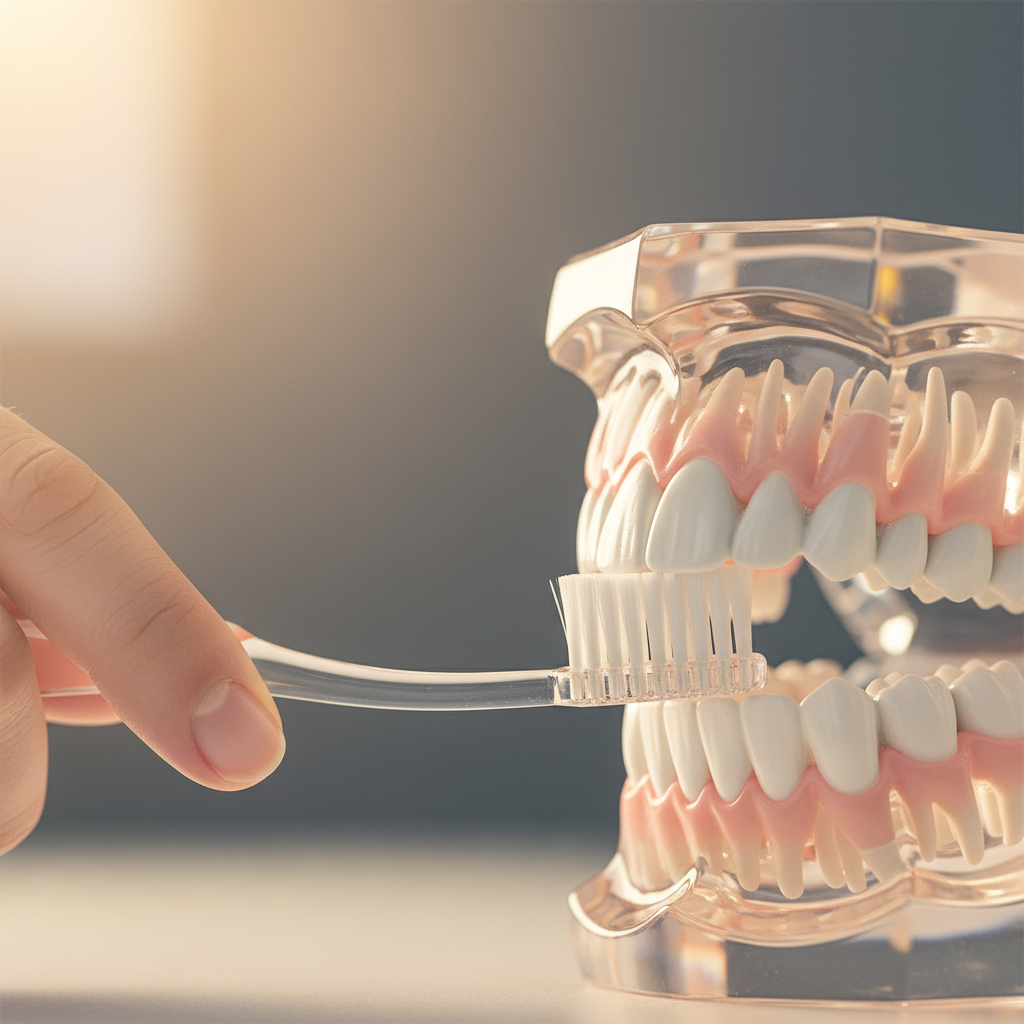
Brushing removes plaque—the sticky bacterial film that causes gum disease. But technique matters as much as frequency.
Proper brushing technique:
- Brush for at least 2 minutes, twice daily
- Use a soft-bristled brush (hard bristles damage gums)
- Hold your brush at a 45-degree angle to your gumline
- Use gentle, circular motions
- Brush all surfaces: outer, inner, and chewing surfaces
- Don’t forget your tongue—bacteria hide there too
- Don’t brush too hard—this can wear away gums and enamel
- Replace your toothbrush every 3-4 months or when bristles fray
Electric vs. manual: Both work well with proper technique, but electric toothbrushes with rotating heads often remove more plaque and are easier to use correctly.
Floss Every Single Day
This is non-negotiable for gum health. Brushing cleans about 60% of tooth surfaces.
Flossing tips:
- Floss at least once daily, preferably before bed
- Use about 18 inches of floss
- Wrap it around your middle fingers
- Gently slide it between teeth using a back-and-forth motion
- Curve the floss around each tooth in a C-shape
- Slide it beneath the gumline gently
- Use a clean section of floss for each tooth
- Be gentle but thorough—don’t snap floss into gums
Flossing alternatives: If traditional floss is difficult, try floss picks, water flossers (Waterpik), or interdental brushes. Any flossing is better than none.
Use an Antimicrobial Mouthwash
Mouthwash isn’t essential, but it adds an extra layer of protection against bacteria. Look for antimicrobial or antibacterial formulas.
Mouthwash guidelines:
- Use after brushing and flossing
- Swish for 30 seconds to 1 minute
- Don’t rinse with water afterward
- Look for alcohol-free versions if regular mouthwash irritates your mouth
- Therapeutic mouthwashes with chlorhexidine or essential oils reduce plaque
- Don’t use mouthwash as a substitute for brushing and flossing
Massage Your Gums
Gentle gum massage increases blood flow, strengthens gum tissue, and reduces inflammation. It’s simple and free.
How to massage gums:
- Wash your hands thoroughly
- Use your index finger or thumb
- Apply gentle pressure in circular motions along the gumline
- Massage all areas: outside, inside, upper and lower
- Spend 1-2 minutes total
- Do this once or twice daily
- You can also massage with a soft toothbrush
Try Oil Pulling
This ancient practice involves swishing oil in your mouth. Research shows it may reduce harmful bacteria and support gum health.
Oil pulling method:
- Use coconut, sesame, or sunflower oil
- Take 1 tablespoon of oil on an empty stomach
- Swish gently for 10-20 minutes (start with 5 minutes and build up)
- Don’t swallow—the oil pulls toxins and bacteria from your mouth
- Spit into trash (not sink—oil can clog pipes)
- Rinse with water, then brush normally
- Do this 3-4 times weekly
Oil pulling is supplementary, not a replacement for brushing and flossing.
Stay Hydrated
Water is essential for gum health. It washes away food particles and bacteria, keeps your mouth moist, and helps maintain healthy saliva production.
Hydration tips:
- Drink water throughout the day
- Aim for at least 8 glasses daily
- Rinse your mouth with water after eating
- Drink water after coffee or acidic beverages
- Carry a water bottle for easy access
- If your mouth feels dry, drink more water
Saliva is your mouth’s natural defense system. It neutralizes acids, fights bacteria, and helps repair early tooth decay. Adequate hydration keeps saliva flowing.
Don’t Smoke
Smoking is one of the worst things for gum health. It weakens your immune system, reduces blood flow to gums, and makes gum disease more severe and harder to treat.
Why smoking damages gums:
- Restricts blood flow so gums don’t heal properly
- Weakens immune response to infection
- Masks symptoms so problems progress unnoticed
- Increases risk of gum disease by 2-7 times
- Reduces success rate of gum disease treatments
- Increases tooth loss risk
If you smoke, quitting is the single best thing you can do for your gums and overall health. Talk to your doctor about cessation support.
Manage Stress
Stress weakens your immune system, making it harder to fight gum infections. It also increases inflammation throughout your body, including your gums.
Stress management for gum health:
- Practice relaxation techniques like deep breathing or meditation
- Get regular exercise
- Maintain a consistent sleep schedule (7-9 hours)
- Make time for hobbies and activities you enjoy
- Stay connected with friends and family
- Seek professional help if stress becomes overwhelming
- Avoid clenching or grinding teeth (stress-related habit that harms gums)
Eat Gum-Healthy Foods
Your diet directly affects gum health. Nutrient-rich foods strengthen gums and fight inflammation.
Best foods for gums:
Crunchy fruits and vegetables – Apples, carrots, celery, and bell peppers scrub teeth naturally and stimulate gums. They also increase saliva production.
Leafy greens – Spinach, kale, and collard greens are rich in vitamins and minerals that reduce inflammation and promote gum healing.
Vitamin C foods – Oranges, strawberries, kiwi, broccoli, and bell peppers support collagen production, which keeps gums strong and helps them heal.
Dairy products – Milk, cheese, and yogurt provide calcium and protein that strengthen teeth and neutralize mouth acids.
Green tea – Contains antioxidants that reduce inflammation and fight bacteria. Drink 1-2 cups daily without sugar.
Fatty fish – Salmon, mackerel, and sardines provide omega-3 fatty acids that reduce gum inflammation.
Nuts and seeds – Almonds, walnuts, and chia seeds provide nutrients that support gum tissue health.
Onions and garlic – Contain antimicrobial compounds that fight harmful bacteria.
Shiitake mushrooms – Contain lentinan, which may reduce plaque-causing bacteria.
Avoid Gum-Damaging Foods and Habits
What you avoid is just as important as what you do.
Things that harm gums:
Sugary foods and drinks – Sugar feeds harmful bacteria that produce acids and inflammation. Limit candy, soda, sweetened coffee drinks, and desserts.
Acidic foods and drinks – Citrus in excess, soda, sports drinks, and wine erode enamel and irritate gums. If you consume them, rinse with water afterward.
Sticky, chewy foods – Caramels, gummies, and dried fruit stick to teeth and are hard to clean away, feeding bacteria.
Hard foods – Ice, hard candies, and popcorn kernels can cut or damage gums.
Alcohol – Excessive alcohol dries your mouth and reduces saliva, increasing gum disease risk.
Chewing ice or pencils – These habits can injure gums and crack teeth.
Aggressive brushing – Brushing too hard wears away gum tissue. Always use gentle pressure.
Use the Right Products
Quality oral care products make your daily routine more effective.
What to look for:
- Soft-bristled toothbrush (or electric with pressure sensor)
- Fluoride toothpaste approved by dental associations
- Antimicrobial mouthwash (alcohol-free if regular version irritates)
- Dental floss or floss alternatives that work for you
- Toothpaste for sensitive gums if yours are tender
Products to consider:
- Toothpaste with stannous fluoride or triclosan (reduces gum inflammation)
- Water flosser for extra cleaning power
- Gum-stimulating toothpicks or rubber-tipped stimulators
- Tongue scraper to remove bacteria
Avoid whitening products if you have gum problems—they can irritate sensitive tissue.
Visit Your Dentist Regularly
Professional cleanings remove hardened plaque (tartar) that you can’t remove at home. Regular checkups catch problems early.
Dental visit guidelines:
- See your dentist every 6 months for cleaning and exam
- If you have gum disease, you may need visits every 3-4 months
- Don’t skip appointments even if you feel fine
- Be honest about your oral care routine and any symptoms
- Ask questions about proper technique and products
- Follow treatment recommendations promptly
Professional care and home care work together. Neither is enough alone.
Pay Attention to Your Overall Health
Certain health conditions affect gum health. Managing them helps protect your gums.
Health conditions that impact gums:
- Diabetes (high blood sugar worsens gum disease)
- Hormonal changes (pregnancy, menopause)
- Autoimmune conditions
- Medications that cause dry mouth
- Vitamin deficiencies (especially vitamin C)
- Osteoporosis
If you have any of these conditions, tell your dentist. You may need more frequent cleanings or modified care strategies.
When to See a Dentist
Don’t wait for your regular checkup if you notice:
- Gums that bleed regularly when brushing or flossing
- Red, swollen, or tender gums
- Gums pulling away from teeth
- Persistent bad breath despite good oral hygiene
- Pus between teeth and gums
- Loose teeth or changes in bite
- Pain when chewing
- Sudden tooth sensitivity
- Any sores or growths in your mouth that don’t heal
These symptoms may indicate gum disease or other problems that need professional treatment. Early intervention prevents serious damage.
Even with perfect home care, you need professional cleanings. Tartar (hardened plaque) can only be removed with dental tools. Once it forms, brushing and flossing won’t remove it.
This article is for informational purposes only and does not constitute medical or dental advice. Always consult with a qualified dentist about your specific oral health concerns and before making changes to your oral care routine.
Frequently Asked Questions
Q: Is it normal for gums to bleed when flossing?
A: No, bleeding gums are never normal, even with flossing. They indicate inflammation or gum disease. However, if you haven’t flossed in a while, gums may bleed initially and then stop as they get healthier with consistent daily flossing. If bleeding continues after 1-2 weeks of daily flossing, see your dentist. Healthy gums should not bleed with gentle brushing and flossing.
Q: Can receding gums grow back?
A: Unfortunately, gum tissue doesn’t naturally regenerate once it recedes. However, you can stop further recession with proper care and sometimes restore gum coverage through dental procedures like gum grafts. The key is catching recession early and preventing it from worsening. Good oral hygiene, gentle brushing technique, and regular dental care help prevent recession.
Q: How long does it take to see improvement in gum health?
A: With consistent daily care, you may notice improvements in mild gum inflammation within 1-2 weeks. Gums should become less red, swollen, and prone to bleeding. More significant gum disease requires professional treatment and takes longer to improve—typically several months. The key is staying consistent with your daily routine and following your dentist’s treatment plan.
Q: Are electric toothbrushes better for gums than manual ones?
A: Both can be effective with proper technique, but studies show electric toothbrushes (especially those with rotating heads) often remove more plaque and reduce gingivitis better than manual brushing. They’re particularly helpful if you have arthritis, limited dexterity, or tend to brush too hard. Many electric brushes have pressure sensors that prevent gum damage. Choose whichever type you’ll use consistently and correctly.
Q: What’s the best way to strengthen gums naturally?
A: The best natural approach combines several habits: proper brushing and flossing daily, eating nutrient-rich foods (especially those high in vitamin C), staying hydrated, not smoking, managing stress, and getting regular dental cleanings. Gum massage and oil pulling may provide additional benefits. There’s no single “magic” method—consistency with multiple healthy habits works best. Remember that “natural” doesn’t replace professional dental care for existing gum disease.
Conclusion
Stronger gums don’t happen overnight, but they don’t require complicated routines either. The daily tips for stronger gums in this article are simple, practical, and proven to work.
Start with the basics: brush properly twice daily, floss every single day, and stay hydrated. These three habits alone make an enormous difference. Then add other supportive practices like gum massage, antimicrobial mouthwash, and eating gum-healthy foods.
Remember, consistency matters more than perfection. Brushing and flossing every day—even imperfectly—is far better than perfect technique done occasionally. Build these habits gradually until they become automatic.
Your gums are worth the investment. They support your teeth, protect your health, and affect your confidence and quality of life. A few minutes of daily care prevents years of problems and expensive treatments.
Don’t ignore warning signs. If you notice bleeding, swelling, recession, or persistent bad breath, see your dentist promptly. Early gum disease is reversible. Advanced gum disease causes permanent damage. Catch problems early.
Combine excellent home care with regular professional cleanings. You can’t remove tartar at home, and even the best daily routine benefits from professional monitoring and treatment when needed.
Your mouth is connected to your whole body. Taking care of your gums isn’t just about oral health—it’s about overall wellness. Healthy gums mean a healthier you.
Start today. Pick one or two tips from this article and implement them this week. Once they become habits, add more. Small, consistent changes lead to lasting results.
Your gums can be strong, healthy, and problem-free. Give them the daily care they deserve, and they’ll support your smile for a lifetime.
Here’s to your healthiest gums!
Medical Disclaimer
This article is for informational and educational purposes only. It is not intended to be a substitute for professional dental or medical advice, diagnosis, or treatment. Always seek the advice of your dentist or other qualified healthcare provider with any questions you may have regarding gum health, oral conditions, or any health concern. Never disregard professional dental advice or delay seeking it because of something you have read in this article. If you have gum disease or other oral health problems, proper professional evaluation and treatment are essential. If you think you may have a dental emergency, call your dentist or emergency services immediately.