Lifestyle Changes for Prostate Support: Simple Steps for Better Prostate Health

For many men, prostate health isn’t something they think about until there’s a problem. Maybe you’re waking up multiple times at night to use the bathroom. Maybe urination has become uncomfortable or urgent. Or perhaps you’re just getting older and want to stay ahead of potential issues.
Prostate problems are incredibly common. By age 60, about half of men experience some prostate concerns. By age 85, that number jumps to 90%. But here’s the good news: your daily habits can make a real difference in supporting prostate health.
You don’t need expensive supplements or complicated routines. Simple lifestyle changes for prostate support can help you maintain better urinary function, reduce discomfort, and support overall wellness as you age.
In this article, we’ll explore practical, research-backed lifestyle changes that support prostate health. These are things you can start today that may help you feel better and function better.
What Is the Prostate?
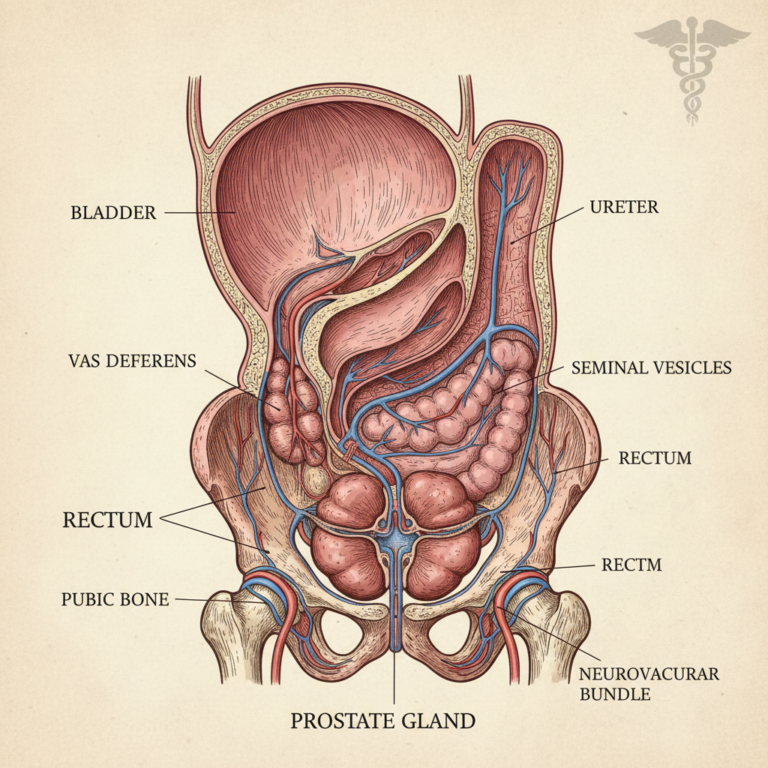
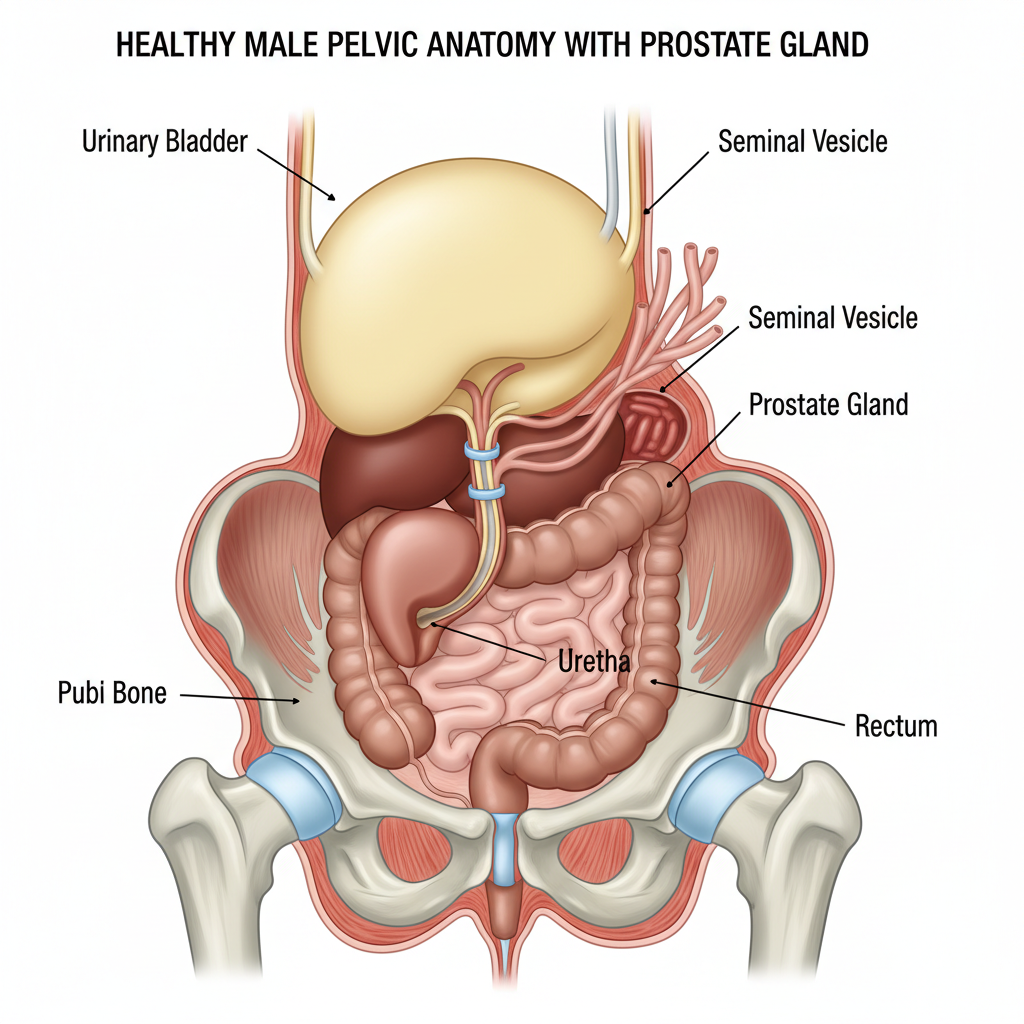
The prostate is a small gland, about the size of a walnut, that sits below the bladder in men. It surrounds part of the urethra, the tube that carries urine out of your body.
The prostate’s main job is to produce fluid that nourishes and protects sperm. This fluid is part of semen. The prostate also helps control urine flow because of its position around the urethra.
As men age, the prostate naturally grows larger. This is called benign prostatic hyperplasia (BPH). When the prostate enlarges, it can squeeze the urethra and cause urinary problems. This growth is common and not cancerous, but it can be uncomfortable and disruptive to daily life.
Understanding your prostate helps you recognize when changes might need attention and what lifestyle choices can support its health.
Common Prostate Concerns
Several prostate issues can affect men, especially as they get older:
Benign Prostatic Hyperplasia (BPH) – This is non-cancerous enlargement of the prostate. It’s the most common prostate problem in older men. As the prostate grows, it can press on the urethra and cause urinary symptoms.
Prostatitis – This is inflammation or infection of the prostate. It can cause pain, urinary problems, and sometimes flu-like symptoms. It can affect men of all ages, not just older men.
Prostate Cancer – This is one of the most common cancers in men, but it’s often slow-growing. Many men with prostate cancer never have symptoms and live long, healthy lives. Regular screening helps catch it early when it’s most treatable.
Urinary Problems – Because of the prostate’s location, issues with it often show up as urinary symptoms: difficulty starting urination, weak stream, frequent urination especially at night, or feeling like you can’t empty your bladder completely.
While lifestyle changes can’t cure prostate diseases, they can support overall prostate health and may help reduce symptoms or risk factors.
Basic Symptoms of Prostate Issues
How do you know if your prostate might need attention? Watch for these common signs:
- Difficulty starting to urinate
- Weak or interrupted urine stream
- Frequent need to urinate, especially at night
- Sudden, urgent need to urinate
- Feeling like your bladder isn’t completely empty
- Pain or burning during urination
- Blood in urine or semen
- Painful ejaculation
- Discomfort in the pelvic area, lower back, or hips
- Dribbling after urination
If you notice any of these symptoms, see a doctor. Many prostate issues are treatable, and early detection is important, especially for cancer. Don’t assume symptoms are “just part of aging” without getting checked.
Lifestyle Changes for Prostate Support
Ready to support your prostate health? These lifestyle changes can make a meaningful difference.
Maintain a Healthy Weight
Obesity is linked to increased risk of prostate problems, including more severe BPH and higher risk of aggressive prostate cancer. Extra body fat, especially around the waist, creates inflammation that can affect the prostate.
How to approach weight management:
- Focus on gradual, sustainable weight loss if needed
- Aim for a healthy BMI (18.5-24.9)
- Even losing 5-10% of your body weight can help
- Combine healthy eating with regular exercise
- Don’t crash diet—sustainable changes work best
Eat More Vegetables and Fruits
A diet rich in vegetables and fruits provides antioxidants and nutrients that support prostate health. Some foods show particular promise for prostate support.
Prostate-friendly foods:
- Tomatoes (rich in lycopene, especially when cooked)
- Cruciferous vegetables like broccoli, cauliflower, and Brussels sprouts
- Berries, especially strawberries and blueberries
- Leafy greens like spinach and kale
- Citrus fruits
- Green tea
- Pomegranate
- Fatty fish rich in omega-3s
Aim for at least 5 servings of vegetables and fruits daily. The more colorful your plate, the better.
Reduce Red and Processed Meat
Studies suggest that high consumption of red meat and processed meats may increase prostate cancer risk. This doesn’t mean you can never have a burger, but moderation matters.
Meat consumption tips:
- Limit red meat to a few times per week or less
- Choose lean cuts when you do eat red meat
- Avoid processed meats like bacon, sausage, and deli meats
- Replace some meat meals with fish, poultry, or plant proteins
- Use healthier cooking methods (grilling, baking) instead of frying
- When grilling, avoid charring meat, which creates harmful compounds
Choose Healthy Fats
Not all fats are equal. Healthy fats support overall health, while saturated and trans fats may contribute to prostate problems.
Fat guidelines:
- Increase omega-3 fatty acids from fish, walnuts, and flaxseeds
- Use olive oil as your primary cooking oil
- Eat nuts and seeds in moderation
- Limit saturated fats from butter, cheese, and fatty meats
- Avoid trans fats completely (check labels)
- Add avocados for healthy monounsaturated fats
Exercise Regularly
Physical activity supports prostate health in multiple ways. It helps maintain healthy weight, reduces inflammation, improves circulation, and may lower prostate cancer risk.
Exercise recommendations:
- Aim for at least 150 minutes of moderate exercise weekly
- Include both cardio and strength training
- Walking, swimming, cycling, and jogging are all great
- Pelvic floor exercises (Kegels) can help with urinary control
- Even short bursts of activity throughout the day help
- Find activities you enjoy so you’ll stick with them
Limit Alcohol Consumption
Excessive alcohol can irritate the bladder and prostate, worsening urinary symptoms. It can also contribute to weight gain and inflammation.
Alcohol guidelines:
- If you drink, do so in moderation (up to 2 drinks per day for men)
- Consider having several alcohol-free days each week
- Stay well-hydrated with water between alcoholic drinks
- Notice if alcohol worsens your urinary symptoms
- Some men with prostate issues feel better avoiding alcohol completely
Cut Back on Caffeine
Caffeine is a bladder irritant and diuretic, which can worsen urinary frequency and urgency. If you have BPH symptoms, reducing caffeine often helps.
Caffeine tips:
- Gradually reduce coffee, tea, and soda consumption
- Switch to decaf or herbal teas
- Notice how your symptoms respond to less caffeine
- Avoid energy drinks
- Don’t cut caffeine too quickly or you’ll get withdrawal headaches
- Some men find they can tolerate moderate caffeine earlier in the day
Stay Well-Hydrated, But Time It Right
Drinking enough water is important for overall health and helps flush the urinary system. But timing matters if you have prostate issues.
Hydration strategies:
- Drink plenty of water throughout the day
- Aim for pale yellow urine (sign of good hydration)
- Reduce fluid intake 2-3 hours before bedtime
- This helps reduce nighttime bathroom trips
- Don’t restrict fluids too much—dehydration causes other problems
- Spread your water intake throughout the day
Manage Stress
Chronic stress causes muscle tension, including in the pelvic area, which can worsen prostate symptoms. Stress also promotes inflammation throughout the body.
Stress reduction techniques:
- Practice deep breathing or meditation
- Get adequate sleep (7-9 hours nightly)
- Try yoga or tai chi
- Spend time in nature
- Maintain social connections
- Consider counseling if stress is overwhelming
- Make time for hobbies and relaxation
Don’t Hold Urine
When you need to urinate, go. Regularly holding urine can weaken bladder muscles and potentially worsen prostate symptoms.
Bathroom habits:
- Use the bathroom when you feel the urge
- Don’t rush—take your time to empty your bladder completely
- Use the bathroom before bed
- Lean forward slightly while urinating to help empty your bladder
- Avoid straining or pushing
- If you’re traveling, plan for bathroom breaks
Consider Helpful Supplements
Some supplements show promise for prostate support, though you should always talk to your doctor before starting any supplement.
Potentially helpful supplements:
- Saw palmetto (commonly used for BPH symptoms)
- Beta-sitosterol (plant compound that may help urinary flow)
- Pygeum (African tree bark extract)
- Zinc (important for prostate health)
- Vitamin D (adequate levels may support prostate health)
- Lycopene supplements (though food sources are preferred)
Remember: supplements aren’t regulated like medications. Quality varies, and they can interact with medications. Always consult your healthcare provider.
Practice Pelvic Floor Exercises
Strengthening your pelvic floor muscles can improve urinary control and reduce symptoms. These exercises, called Kegels, aren’t just for women.
How to do pelvic floor exercises:
- Identify the right muscles (the ones you’d use to stop urinating mid-stream)
- Tighten these muscles and hold for 5 seconds
- Relax for 5 seconds
- Repeat 10-15 times, 3 times daily
- Don’t hold your breath or tighten other muscles
- Results take several weeks of consistent practice
Get Regular Check-Ups
Prevention and early detection are crucial for prostate health. Regular medical care helps catch problems early when they’re most treatable.
Medical screening:
- Discuss prostate screening with your doctor starting at age 50
- African American men or those with family history should start at 45
- Screening typically includes a PSA blood test and possibly digital rectal exam
- Follow your doctor’s recommendations for screening frequency
- Report any new symptoms promptly
- Keep track of your urinary patterns and changes
What Helps and What to Avoid
Things That Support Prostate Health:
- Healthy body weight
- Regular exercise
- Diet rich in vegetables and fruits
- Tomatoes and tomato products
- Fatty fish with omega-3s
- Green tea
- Healthy fats like olive oil and nuts
- Adequate hydration (timed appropriately)
- Stress management
- Not holding urine
- Pelvic floor exercises
- Regular medical check-ups
Things That May Harm Prostate Health:
- Obesity, especially abdominal fat
- Sedentary lifestyle
- High consumption of red and processed meat
- Excessive saturated and trans fats
- Heavy alcohol use
- Too much caffeine
- Smoking (bad for all health aspects)
- Chronic stress
- Dehydration
- Regularly holding urine
- Skipping medical check-ups
- Ignoring symptoms
When to See a Doctor
Prostate health is not something to ignore. See a healthcare provider if you experience:
- Any urinary symptoms (difficulty, frequency, urgency, pain)
- Blood in urine or semen
- Painful ejaculation
- Persistent pain in the pelvic area, lower back, or hips
- New or worsening symptoms
- You’re age 50 or older and haven’t had prostate screening
- You’re age 45 with family history of prostate problems or African American
Don’t wait or assume symptoms will go away on their own. Many prostate conditions are very treatable, especially when caught early. Prostate cancer, in particular, is highly curable when detected in early stages.
Regular screening is important even without symptoms. Many prostate conditions, including early cancer, don’t cause noticeable symptoms.
This article is not medical advice. Always consult with a qualified healthcare professional about your specific health concerns and before making significant lifestyle changes.
Frequently Asked Questions
Q: At what age should men start worrying about prostate health?
A: It’s never too early to adopt prostate-healthy habits. However, most prostate problems become more common after age 50. That’s when screening typically begins. If you have family history of prostate problems or are African American, talk to your doctor about starting screening at 45. Healthy lifestyle habits at any age support prostate health as you get older.
Q: Can lifestyle changes actually prevent prostate cancer?
A: Lifestyle changes can’t guarantee prevention, but they may reduce risk. Studies show that diet, exercise, and maintaining healthy weight are associated with lower prostate cancer risk and less aggressive disease. Even if cancer develops, these habits support better overall health and treatment outcomes. Think of lifestyle changes as risk reduction, not absolute prevention.
Q: Do I need to take saw palmetto or other supplements for prostate health?
A: Not necessarily. Many men find relief from supplements like saw palmetto for BPH symptoms, but results are mixed in research studies. It’s better to focus first on diet and lifestyle changes, which have broader health benefits. If you want to try supplements, discuss them with your doctor first, especially if you take medications. Food-based nutrients are generally better than supplements.
Q: Will these lifestyle changes help if I already have an enlarged prostate?
A: Yes, lifestyle changes can help manage symptoms even if you already have BPH. Weight loss, exercise, reducing caffeine and alcohol, and timing fluid intake can all reduce urinary symptoms. These changes work best alongside medical treatment if prescribed. Tell your doctor about any lifestyle modifications you’re making—they’re part of comprehensive prostate care.
Q: Is it true that frequent ejaculation helps prostate health?
A: Some research suggests that more frequent ejaculation (around 21 times per month) may be associated with lower prostate cancer risk, though the research isn’t definitive. The theory is that regular ejaculation helps clear the prostate of potential cancer-causing substances. However, this shouldn’t be your only focus. Overall lifestyle habits are more important and better studied.
Conclusion
Supporting your prostate health doesn’t require dramatic life overhauls or expensive treatments. Simple, consistent lifestyle changes for prostate support can make a meaningful difference in how you feel and function, especially as you age.
Start with the changes that feel most manageable. Maybe it’s adding more vegetables to your meals, taking a daily walk, or cutting back on late-night fluids. Once those become habits, add more changes gradually.
Remember, prostate health is part of overall health. The same habits that support your prostate—healthy eating, regular exercise, maintaining healthy weight, managing stress—also reduce risk of heart disease, diabetes, and many other conditions. You’re not just helping your prostate; you’re investing in your entire well-being.
Don’t neglect regular medical care. Lifestyle changes are powerful, but they work best alongside appropriate medical screening and treatment when needed. Be proactive about check-ups and honest about any symptoms.
Your prostate health matters. It affects your quality of life, your sleep, your comfort, and your confidence. Taking care of it now means better function and fewer problems down the road.
You have more control over your prostate health than you might think. These lifestyle changes put that power in your hands. Start today, stay consistent, and give your body the support it needs to stay healthy for years to come.
Here’s to your health—prostate and beyond!
Medical Disclaimer
This article is for informational and educational purposes only. It is not intended to be a substitute for professional medical advice, diagnosis, or treatment. Always seek the advice of your physician or other qualified health provider with any questions you may have regarding prostate health, urinary symptoms, or any medical condition. Never disregard professional medical advice or delay seeking it because of something you have read in this article. Prostate conditions, including cancer, require proper medical evaluation and treatment. If you think you may have a medical emergency, call your doctor or emergency services immediately.