
Simple Habits for Healthy Gums
 Introduction
Have you ever noticed your gums bleeding when you brush your teeth? Maybe they look red or swollen? You’re definitely not alone.
Most people focus on their teeth and forget about their gums. But here’s the thing—healthy gums are just as important as healthy teeth.
Your gums hold your teeth in place and protect them from bacteria. When your gums aren’t healthy, it can lead to bigger problems down the road.
The good news is that taking care of your gums doesn’t have to be hard or expensive. Simple daily habits can make a huge difference.
This article will show you easy, practical ways to keep your gums healthy and strong. These are things you can start doing right away.
Let’s dive in and talk about what really works.
What’s the Problem with Unhealthy Gums?
Your gums are the soft pink tissue that surrounds your teeth. They create a seal that protects the roots and bones underneath.
When your gums aren’t healthy, bacteria can get in and cause inflammation. This is called gingivitis—just a fancy word for gum inflammation.
If you ignore it, gingivitis can turn into something more serious called periodontal disease. This affects the bones and tissues that support your teeth.
Here’s why this matters: unhealthy gums can lead to tooth loss. They can also affect your overall health, not just your mouth.
Research shows connections between gum health and heart health, diabetes, and even pregnancy complications.
Your mouth is the gateway to your body. What happens in your mouth doesn’t stay in your mouth.
That’s why taking care of your gums is so important.
Common Causes of Gum Problems
Understanding what causes gum issues can help you avoid them. Here are the most common culprits:
Poor Brushing Habits
Not brushing enough, or brushing too hard, can both cause problems. You need the right balance.
Skipping Flossing
Brushing alone only cleans about 60% of your tooth surfaces. Flossing gets the rest.
Plaque Buildup
Plaque is a sticky film of bacteria that forms on your teeth. If you don’t remove it, it hardens into tartar.
Smoking or Vaping
Tobacco products are terrible for gum health. They reduce blood flow and make it harder for gums to heal.
Poor Diet
Too much sugar and processed food feeds bad bacteria in your mouth.
Dry Mouth
Saliva helps wash away bacteria. If your mouth is dry, bacteria can build up more easily.
Stress
High stress levels can affect your immune system, making it harder to fight off gum infections.
Certain Medications
Some medications cause dry mouth or gum overgrowth as side effects.
Hormonal Changes
Pregnancy, menstruation, and menopause can make gums more sensitive.
Genetics
Some people are just more prone to gum problems, even with good oral care.
Signs Your Gums Need Attention
Pay attention to these common warning signs:
- Red, swollen, or puffy gums
- Gums that bleed when you brush or floss
- Gums pulling away from your teeth
- Persistent bad breath
- Bad taste in your mouth
- Loose teeth
- Pain when chewing
- Sensitive gums or teeth
- Changes in how your teeth fit together
If you notice any of these signs, don’t panic. But do take action. The sooner you address gum problems, the easier they are to fix.
Natural Remedies and Lifestyle Tips for Healthy Gums
Now for the good stuff—what you can actually do to keep your gums healthy.
Brush the Right Way
It’s not just about brushing—it’s about brushing correctly.
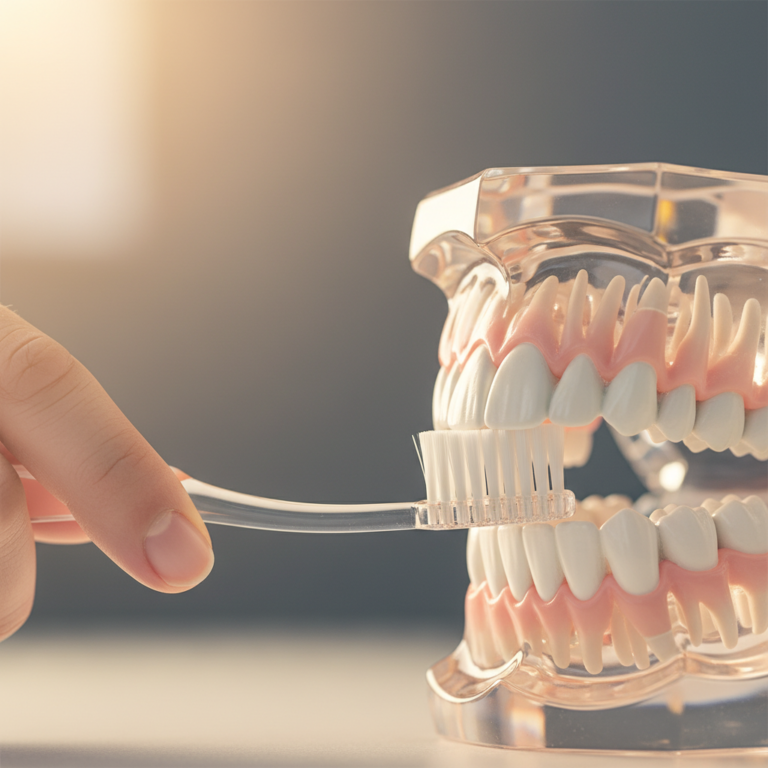
Use a soft-bristled toothbrush. Hard bristles can damage your gums.
Brush for two full minutes, twice a day. Set a timer if you need to.
Hold your brush at a 45-degree angle to your gums. Use gentle circular motions.
Don’t scrub back and forth like you’re cleaning a floor. Be gentle but thorough.
Replace your toothbrush every 3-4 months, or sooner if the bristles look worn.
Floss Every Single Day
This is the habit most people skip. Don’t be that person.
Flossing removes food and plaque from between your teeth where your toothbrush can’t reach.
Use about 18 inches of floss. Wrap it around your fingers and gently slide it between each tooth.
Curve the floss around each tooth in a C-shape. Go below the gum line gently.
If regular floss is hard to use, try floss picks or a water flosser.
Try Oil Pulling
This is an ancient practice that many people swear by.
Take a tablespoon of coconut oil and swish it around your mouth for 10-20 minutes.
Do this on an empty stomach, first thing in the morning.
The oil is supposed to “pull” bacteria from your mouth. Then spit it out (in the trash, not the sink).
Some studies suggest it may help reduce plaque and gingivitis, though more research is needed.
Rinse with Salt Water
This is one of the cheapest and easiest remedies out there.
Mix half a teaspoon of salt in a cup of warm water.
Swish it around your mouth for 30 seconds, then spit it out.
Do this 2-3 times a day, especially if your gums are inflamed.
Salt water helps reduce bacteria and soothe inflamed gums.
Use Aloe Vera
Aloe vera isn’t just for sunburns. It can help your gums too.
You can use pure aloe vera gel as a mouth rinse.
Some people apply it directly to their gums and massage gently.
Aloe has natural antibacterial and anti-inflammatory properties.
Make sure you’re using pure aloe vera, not the kind with added ingredients.
Drink Green Tea
Green tea contains antioxidants that may support gum health.
Try drinking a cup or two of green tea daily.
Let it cool a bit before drinking so it doesn’t irritate your gums.
Some studies suggest green tea may help reduce gum inflammation.
Add More Vitamin C
Vitamin C is crucial for gum health. A deficiency can lead to bleeding gums.
Eat plenty of:
- Oranges and citrus fruits
- Strawberries
- Bell peppers
- Broccoli
- Kiwi
- Tomatoes
You can also take a vitamin C supplement if needed, but food sources are best.
Get Enough Vitamin D
Vitamin D has anti-inflammatory effects that may benefit your gums.
Get some sunlight each day—about 15-20 minutes.
Eat vitamin D-rich foods like:
- Fatty fish (salmon, mackerel)
- Egg yolks
- Fortified milk or orange juice
- Mushrooms
Your doctor can check your vitamin D levels if you’re concerned.
Eat Crunchy Vegetables
Raw vegetables are great for your gums.
Crunchy veggies like carrots, celery, and apples help clean your teeth naturally.
They stimulate saliva production, which helps wash away bacteria.
The chewing action massages your gums too.
Stay Hydrated
Drinking plenty of water throughout the day helps keep your mouth clean.
Water washes away food particles and bacteria.
It also helps you produce more saliva, which is your mouth’s natural defense system.
Aim for 8 glasses of water a day.
Quit Smoking
If you smoke or vape, quitting is the single best thing you can do for your gums.
Tobacco products restrict blood flow to your gums and make them more vulnerable to infection.
They also slow down healing if your gums are already damaged.
Talk to your doctor about resources to help you quit.
Reduce Sugar Intake
Sugar feeds the bad bacteria in your mouth.
These bacteria produce acid that damages your gums and teeth.
Cut back on:
- Candy and sweets
- Soda and sweet drinks
- Pastries and cakes
- Sweetened coffee drinks
If you do eat something sugary, rinse your mouth with water afterward.
Use a Tongue Scraper
Your tongue harbors tons of bacteria that can affect your gums.
Use a tongue scraper or your toothbrush to gently clean your tongue every day.
This helps reduce bacteria in your mouth and improves your breath too.
Manage Stress
Stress weakens your immune system and makes it harder to fight gum infections.
Find healthy ways to manage stress:
- Exercise regularly
- Practice deep breathing
- Get enough sleep
- Do activities you enjoy
- Talk to friends or family
- Try meditation or yoga
Consider Probiotics
Some research suggests that certain probiotics may support oral health.
Probiotics are good bacteria that can help balance the bacteria in your mouth.
You can get them from:
- Yogurt with live cultures
- Kefir
- Sauerkraut
- Kimchi
- Probiotic supplements
Talk to your dentist or doctor about whether this might help you.
Massage Your Gums
Gently massaging your gums can increase blood flow and keep them healthy.
Use your clean finger or a soft toothbrush.
Massage in circular motions for a minute or two.
This is especially nice to do after brushing.
What Helps and What to Avoid
Things That Help Your Gums:
- Brushing and flossing daily
- Regular dental checkups (every 6 months)
- Drinking plenty of water
- Eating a balanced diet with lots of fruits and vegetables
- Using an antiseptic mouthwash (alcohol-free is gentler)
- Changing your toothbrush regularly
- Avoiding clenching or grinding your teeth
Things to Avoid:
- Smoking and tobacco products
- Too much sugar and processed foods
- Brushing too hard
- Using old, worn-out toothbrushes
- Skipping dental appointments
- Alcohol-based mouthwashes (they can dry out your mouth)
- Using toothpicks aggressively (they can damage gums)
- Ignoring bleeding or swollen gums
When to See a Dentist
Home care is important, but it’s not a substitute for professional dental care.
You should definitely see a dentist if you experience:
- Gums that bleed easily or frequently
- Persistent bad breath that won’t go away
- Gums that are pulling away from your teeth
- Loose teeth
- Pain when chewing
- Pus between your teeth and gums
- Changes in how your teeth fit together
- Severe gum swelling or pain
Also, make sure you’re getting regular dental cleanings every six months.
Professional cleanings remove tartar that you can’t get rid of at home.
Your dentist can also catch problems early before they become serious.
Don’t let fear or embarrassment keep you from getting help. Dentists see gum problems every single day, and they want to help you.
Frequently Asked Questions
How long does it take to improve gum health?
If you start taking better care of your gums, you may notice improvements within a few weeks. Bleeding and inflammation often decrease fairly quickly with good oral hygiene. However, more serious gum problems may take months to improve. Consistency is key—stick with your healthy habits daily.
Can receding gums grow back?
Unfortunately, gums that have already receded usually don’t grow back on their own. However, you can prevent further recession by taking good care of your gums. In some cases, dentists can perform procedures to restore gum tissue. The important thing is to stop the problem from getting worse.
Is it normal for gums to bleed when flossing?
If you’re new to flossing, a little bleeding at first might happen. But if your gums keep bleeding after a week or two of regular flossing, that’s a sign of inflammation. Keep flossing gently, and if the bleeding continues, see your dentist. Healthy gums shouldn’t bleed.
What’s the best toothpaste for gum health?
Look for toothpaste that contains fluoride and has the American Dental Association (ADA) seal. Some toothpastes are specifically designed for gum health and contain ingredients like stannous fluoride. Natural toothpastes can work too, but make sure they still provide adequate protection. Ask your dentist for recommendations.
Can diet really affect my gums?
Absolutely! What you eat affects your whole body, including your gums. A diet rich in vitamins, minerals, and antioxidants helps your gums stay strong and fight off infection. On the flip side, a diet high in sugar feeds harmful bacteria. Think of healthy eating as feeding your gums the nutrients they need to stay healthy.
Conclusion
Taking care of your gums doesn’t require a complicated routine or expensive products.
The simple habits we’ve covered—brushing correctly, flossing daily, eating well, and staying hydrated—these basics make a real difference.
Start small if you need to. Maybe commit to flossing every day this week. Or switch to a softer toothbrush. Or drink an extra glass of water daily.
Small steps add up to big changes over time.
Your gums support your teeth and affect your overall health. They deserve just as much attention as your teeth do.
Be patient with yourself. If your gums aren’t in great shape right now, that’s okay. You’re taking steps to improve them, and that’s what matters.
Remember, you don’t have to do this alone. Regular visits to your dentist are part of good gum care. They can help you catch problems early and give you personalized advice.
You’ve got this! Start with one or two new habits today. Your gums will thank you for it.
Here’s to healthy gums and a happy smile!