
Simple Habits for Prostate Wellness

Introduction
If you’re a man over 40, you’ve probably heard friends or family members talk about prostate health. Maybe you’ve noticed some changes yourself and you’re wondering what you can do about it.
The good news? Small changes in your daily routine can make a real difference.
You don’t need expensive supplements or complicated routines. Sometimes the simplest habits are the most powerful ones.
This article will share easy, practical tips that may support your prostate wellness. These are things you can start doing today, right in your own home.
Let’s talk about what really works.
What Is the Prostate and Why Does It Matter?
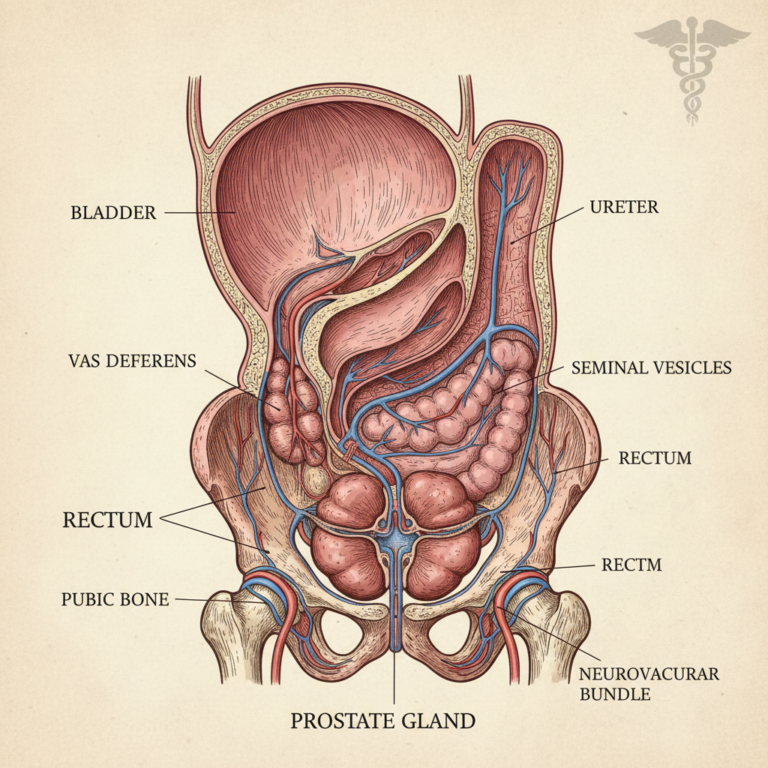
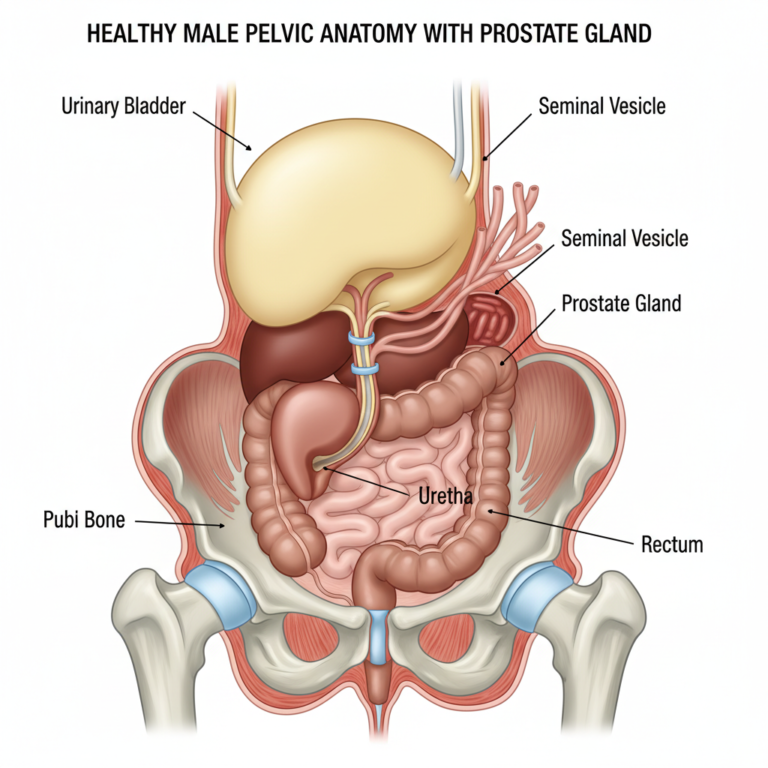
The prostate is a small gland that sits below the bladder in men. It’s about the size of a walnut when you’re young, but it tends to grow larger as you get older.
This little gland has an important job. It makes fluid that helps protect and transport sperm.
As men age, the prostate can start to cause problems. It might get bigger, which can press on the bladder and make bathroom trips more frequent or uncomfortable.
Many men deal with prostate issues at some point in their lives. It’s incredibly common, and you’re not alone if you’re experiencing this.
The most common issue is called benign prostatic hyperplasia, or BPH. This just means the prostate has gotten bigger. It’s not cancer, but it can still affect your quality of life.
Common Causes of Prostate Problems
Understanding what affects prostate health can help you make better choices. Here are some common factors:
Age
Getting older is the biggest factor. Most men over 50 experience some degree of prostate enlargement.
Hormones
Changes in testosterone and other hormones play a role in prostate health as you age.
Family History
If your dad or brother had prostate issues, you might be more likely to have them too.
Lifestyle Choices
What you eat, how much you move, and your stress levels all matter.
Weight
Carrying extra weight, especially around the middle, may increase your risk of prostate problems.
Diet
A diet high in red meat and dairy, and low in fruits and vegetables, may not be ideal for prostate health.
Simple Signs to Pay Attention To
You know your body best. Here are some common signs that your prostate might need some attention:
- Needing to pee more often, especially at night
- Feeling like you need to go right away
- Trouble starting to pee
- Weak stream or stopping and starting
- Feeling like your bladder isn’t empty
- Discomfort in the pelvic area
These symptoms don’t mean you have a serious problem. But they do mean it’s time to make some positive changes and talk to a healthcare provider.
Natural Remedies and Lifestyle Tips for Prostate Wellness
Here’s where things get practical. These simple habits can support your overall wellness and may help with prostate health too.
Eat More Tomatoes
Tomatoes contain something called lycopene. This is a powerful antioxidant that many people believe is good for prostate health.
Cooked tomatoes are even better than raw ones because your body can absorb the lycopene more easily.
Try these easy ways to add more tomatoes:
- Pasta sauce (look for low-sugar options)
- Tomato soup
- Salsa
- Roasted tomatoes on toast
Load Up on Vegetables
Dark leafy greens and cruciferous vegetables are your friends.
Think broccoli, kale, spinach, Brussels sprouts, and cabbage.
These vegetables are packed with vitamins and compounds that support overall health.
You don’t need to eat them plain and boring. Roast them with a little olive oil and garlic. Add them to smoothies. Mix them into pasta dishes.
Try Green Tea
Green tea is full of antioxidants. Many men drink it daily as part of their wellness routine.
It’s easy to make part of your day. Have a cup in the morning or afternoon instead of coffee.
If you don’t like hot tea, try it iced with a little lemon.
Eat More Fish
Fatty fish like salmon, mackerel, and sardines contain omega-3 fatty acids.
These healthy fats support inflammation balance in the body.
Try to eat fish at least twice a week. If you don’t like fish, you might consider a fish oil supplement, but talk to your doctor first.
Add Some Nuts and Seeds
Pumpkin seeds, sunflower seeds, and Brazil nuts are particularly good choices.
They contain zinc and selenium, which are important minerals for men’s health.
Keep a small bag of mixed nuts and seeds for snacking. Sprinkle them on salads or yogurt.
Stay Active Every Day
Exercise is one of the best things you can do for prostate wellness.
You don’t need to run marathons. Simple movement counts:
- Walk for 30 minutes a day
- Take the stairs instead of the elevator
- Do yard work or gardening
- Swim or bike
- Stretch and do light exercises at home
Regular activity helps maintain a healthy weight, improves circulation, and reduces inflammation.
Manage Your Weight
Carrying extra weight, especially belly fat, isn’t great for prostate health.
If you’re overweight, even losing 5-10 pounds can make a difference.
You don’t need a crazy diet. Just start with small changes:
- Smaller portions
- More vegetables
- Less processed food
- More home-cooked meals
Drink Plenty of Water
Staying hydrated is important, but here’s the trick: drink most of your water during the day.
Cut back on liquids a few hours before bedtime to reduce nighttime bathroom trips.
Aim for about 8 glasses of water spread throughout the day.
Cut Back on Caffeine and Alcohol
Both caffeine and alcohol can irritate the bladder and make you need to go more often.
You don’t have to quit completely, but try reducing your intake.
Switch to decaf coffee after noon. Limit alcohol to one drink a day or less.
Practice Pelvic Floor Exercises
These exercises aren’t just for women. Men can benefit too.
Pelvic floor exercises (also called Kegel exercises) strengthen the muscles that control urination.
How to do them:
- Imagine you’re trying to stop peeing mid-stream
- Squeeze those muscles for 5 seconds
- Relax for 5 seconds
- Repeat 10 times, three times a day
It takes practice, but many men find this helpful.
Reduce Stress
Chronic stress affects your whole body, including your prostate.
Find simple ways to relax:
- Take deep breaths throughout the day
- Go for walks in nature
- Listen to calming music
- Try meditation or prayer
- Spend time with people you love
- Pick up a relaxing hobby
Get Enough Sleep
Quality sleep helps your body repair and balance hormones.
Aim for 7-8 hours per night.
Create a bedtime routine: dim the lights, put away screens, keep the bedroom cool.
Try Saw Palmetto
Some men find saw palmetto helpful for prostate wellness. It’s a plant extract that’s been used for many years.
However, research is mixed on how well it works. If you want to try it, talk to your doctor first, especially if you take other medications.
Consider Pygeum
This is another plant extract that some people use for prostate health.
Like saw palmetto, the evidence is not definitive, but some men report benefits.
Always check with a healthcare provider before starting any supplement.
What Helps and What to Avoid
Things That May Help:
- Eating lots of vegetables and fruits
- Regular physical activity
- Maintaining a healthy weight
- Staying hydrated (but not before bed)
- Managing stress
- Regular intimate activity (it helps empty the prostate)
- Keeping warm (cold can make symptoms worse)
Things to Avoid or Limit:
- Sitting for long periods (take breaks to stand and walk)
- Spicy foods (they can irritate the bladder)
- Too much red meat
- Processed foods
- Smoking (it affects blood flow)
- Holding your pee (go when you need to)
- Decongestants and antihistamines (they can make symptoms worse)
When to See a Doctor
It’s important to know when simple habits aren’t enough.
See a healthcare provider if you experience:
- Blood in your urine
- Pain when peeing
- Inability to pee at all
- Severe pain in your lower back or pelvis
- Fever along with urinary symptoms
- Symptoms that get worse or don’t improve
Also, all men should have regular checkups. Talk to your doctor about prostate screening, especially if you’re over 50 or have risk factors.
Early detection makes a big difference with any health issue.
Don’t let embarrassment stop you from getting help. Doctors deal with these issues every single day.
Frequently Asked Questions
What foods are best for prostate health?
Tomatoes, leafy greens, fatty fish, berries, nuts, and seeds are great choices. Focus on eating lots of colorful vegetables and fruits. Cut back on red meat, processed foods, and foods high in sugar.
Can exercise really help with prostate problems?
Yes, regular exercise can help in many ways. It helps you maintain a healthy weight, improves circulation, reduces inflammation, and may help with urinary symptoms. Even simple activities like walking make a difference.
Are there any drinks I should avoid?
It’s best to limit caffeine and alcohol, as both can irritate the bladder. Also watch out for very sugary drinks. Stick mainly to water throughout the day, and cut back on fluids a few hours before bedtime.
How often should I get my prostate checked?
This depends on your age and risk factors. Most doctors recommend men start discussing prostate screening around age 50, or earlier if there’s a family history. Your doctor can help you decide what’s right for you.
Can stress affect my prostate?
Yes, stress affects your entire body, including your urinary and reproductive systems. Chronic stress can worsen symptoms and affect your overall health. Finding healthy ways to manage stress is important for prostate wellness.
Conclusion
Taking care of your prostate doesn’t have to be complicated or expensive.
The simple habits we’ve talked about—eating more vegetables, staying active, managing stress, drinking enough water—these are things you can start doing today.
Small changes add up over time. You might not see results overnight, but stick with it. Your body will thank you.
Remember, you’re not alone in this. Millions of men deal with prostate concerns. It’s a normal part of aging for many people.
Be patient with yourself. Pick a few habits from this list to start with. Once those feel natural, add a few more.
Most importantly, stay connected with your healthcare provider. These lifestyle habits work best alongside regular checkups and medical advice.
You’ve got this. Take it one day at a time, and celebrate the small wins along the way.
Medical Disclaimer
This article is for informational purposes only and is not medical advice. The information provided is not intended to diagnose, treat, cure, or prevent any disease or health condition. Always consult with a qualified healthcare provider before making any changes to your diet, exercise routine, or starting any supplements. If you experience severe symptoms or health concerns, seek immediate medical attention. Individual results may vary, and what works for one person may not work for another.