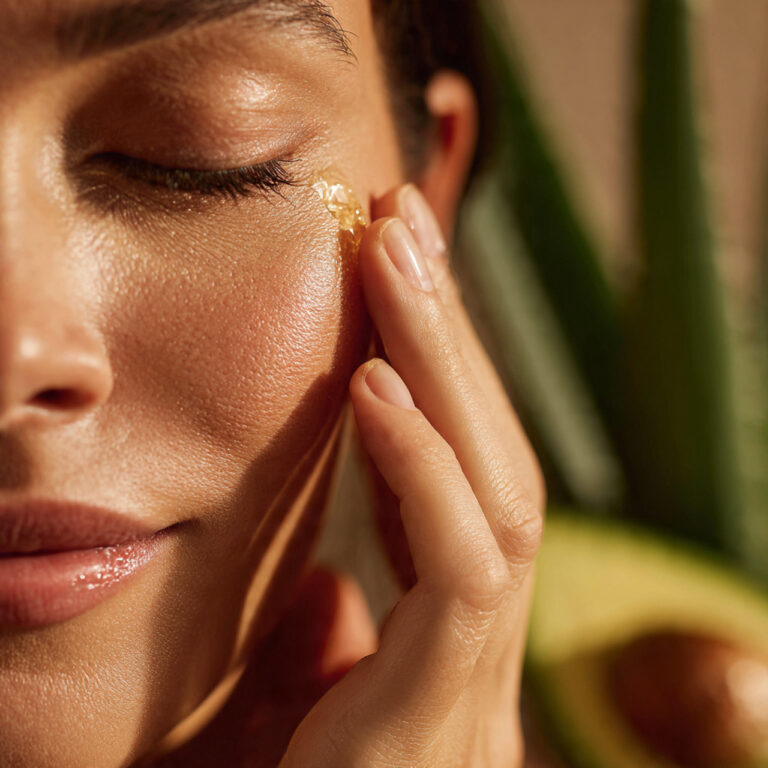

Simple Habits for Smoother Skin: Everyday Tips for a Healthy Glow

Introduction
We all want smooth, healthy-looking skin. But between busy schedules, stress, and endless skincare products promising miracles, it can feel overwhelming to figure out what actually works.
Here’s the truth: smoother skin doesn’t always come from expensive creams or complicated routines. Often, it’s the simple daily habits that make the biggest difference. Small changes to how you eat, sleep, and care for your skin can add up to noticeable results over time.
If you’ve been struggling with rough, dull, or uneven skin texture, you’re in the right place. This article will walk you through simple habits for smoother skin that are easy to follow and fit into any lifestyle. No fancy equipment needed—just practical tips you can start using today.
What Causes Rough or Uneven Skin?
Before diving into solutions, it helps to understand why skin becomes rough or bumpy in the first place.
Your skin is constantly renewing itself. Old skin cells die and new ones take their place. When this process works smoothly, your skin looks fresh and feels soft. But sometimes, dead skin cells build up on the surface instead of shedding naturally. This buildup can make your skin look dull and feel rough to the touch.
Other factors play a role too. Dryness strips away your skin’s natural moisture barrier, leaving it flaky and tight. Environmental damage from sun, wind, and pollution can break down collagen and create an uneven texture. Even things happening inside your body—like hormone changes, diet, and hydration levels—show up on your skin’s surface.
The good news is that most of these factors are things you can influence with simple daily habits.
Common Causes of Rough Skin
Understanding what’s working against you makes it easier to fix the problem. Here are some everyday culprits that contribute to rough, uneven skin:
Dehydration is one of the most common causes. When you don’t drink enough water, your skin cells don’t get the moisture they need. This leads to dry, flaky skin that lacks bounce and smoothness.
Skipping moisturizer leaves your skin barrier unprotected. Without that protective layer, moisture escapes and irritants get in more easily.
Over-cleansing or harsh products can strip away natural oils your skin needs. If your face feels tight and squeaky after washing, your cleanser might be too harsh.
Sun damage breaks down collagen and elastin over time. This creates texture changes, fine lines, and rough patches that make skin look older.
Not exfoliating allows dead skin cells to pile up. While you don’t want to overdo it, gentle exfoliation helps keep things smooth.
Poor sleep affects skin repair. Your body does most of its healing and cell regeneration while you sleep. Skimp on rest, and your skin shows it.
Unhealthy diet lacking vitamins and nutrients can’t support healthy skin from the inside. Your skin needs proper fuel to look its best.
Hot showers feel amazing but can actually dry out your skin by stripping away protective oils.
Dry indoor air especially during winter months, pulls moisture right out of your skin.
Signs Your Skin Needs Some Extra Care
How do you know if your skin could benefit from better habits? Here are some common signs:
- Skin that feels rough or bumpy when you touch it
- A dull, tired-looking complexion that lacks radiance
- Dry patches or flaky areas, especially around your nose, chin, or cheeks
- Skin that feels tight after washing
- Uneven skin tone or texture
- Makeup that doesn’t apply smoothly
- Fine lines that seem more noticeable than usual
- Skin that looks dehydrated even after moisturizing
If any of these sound familiar, the simple habits below may help improve your skin’s texture and overall appearance.
Simple Habits for Smoother Skin
Now for the good stuff—practical, easy habits you can incorporate into your daily routine. Remember, consistency matters more than perfection. Pick a few that resonate with you and stick with them.
Drink More Water
This one sounds too simple to work, but proper hydration is foundational for smooth skin. When your body is well-hydrated, your skin cells are plumper and healthier. This translates to a smoother, more supple appearance.
Aim for around eight glasses of water daily, though your needs may vary based on activity level, climate, and body size. If plain water bores you, try adding lemon slices, cucumber, or fresh mint for flavor.
Moisturize While Skin Is Still Damp
Timing matters when it comes to moisturizing. Apply your moisturizer within a few minutes of washing your face or stepping out of the shower. Damp skin absorbs moisture better, and the moisturizer helps lock in that hydration.
Look for moisturizers with ingredients like hyaluronic acid, glycerin, or ceramides. These help attract and retain moisture in your skin.
Exfoliate Gently and Regularly
Exfoliation removes dead skin cells that make your complexion look dull and rough. But the key word here is gentle. Over-exfoliating can irritate your skin and actually make texture worse.
For most people, exfoliating two to three times per week is plenty. You can use a gentle physical scrub with fine particles or a chemical exfoliant containing ingredients like lactic acid or glycolic acid. Start slowly and see how your skin responds.
Never Skip Sunscreen
Sun protection is non-negotiable for smooth, healthy skin. UV rays cause damage that leads to rough texture, dark spots, and premature aging. Even on cloudy days, UV rays reach your skin.
Apply a broad-spectrum sunscreen with at least SPF 30 every morning. Make it as automatic as brushing your teeth. Your future self will thank you.
Get Enough Sleep
They don’t call it beauty sleep for nothing. While you rest, your body goes into repair mode. Skin cells regenerate, collagen production increases, and blood flow improves. All of this helps maintain smooth, healthy-looking skin.
Aim for seven to nine hours of quality sleep each night. If you struggle with sleep, try establishing a calming bedtime routine and limiting screen time before bed.
Eat Skin-Friendly Foods
What you put in your body shows up on your skin. A diet rich in fruits, vegetables, healthy fats, and lean proteins provides the building blocks your skin needs to stay smooth and healthy.
Foods particularly good for skin include fatty fish rich in omega-3s, avocados, nuts, seeds, leafy greens, berries, and sweet potatoes. These contain vitamins, antioxidants, and healthy fats that support skin health from the inside out.
Be Gentle With Your Skin
How you touch your skin matters. Rubbing, tugging, and scrubbing too hard can cause irritation and damage over time.
When washing your face, use gentle circular motions with your fingertips. Pat your skin dry with a soft towel instead of rubbing. Be especially gentle around your delicate eye area.
Use Lukewarm Water
Hot water feels wonderful, especially on a cold day, but it strips away your skin’s natural oils. This leaves skin dry, tight, and more prone to roughness.
Switch to lukewarm water for washing your face and try to limit hot shower time. Your skin will retain more of its natural moisture.
Add a Hydrating Serum
Serums deliver concentrated ingredients deep into your skin. A hydrating serum with hyaluronic acid can hold up to 1000 times its weight in water, giving your skin an extra moisture boost.
Apply serum after cleansing but before moisturizing. A little goes a long way.
Manage Stress
Stress shows up on your skin in many ways—breakouts, dullness, and yes, rough texture. When you’re stressed, your body produces cortisol, which can disrupt your skin’s natural balance.
Find healthy ways to manage stress, whether that’s exercise, meditation, time in nature, or hobbies you enjoy. Your skin will reflect your inner calm.
Keep Your Pillowcase Clean
You spend hours with your face pressed against your pillowcase each night. Oil, dead skin cells, and bacteria build up on the fabric and transfer back to your skin.
Change your pillowcase at least once a week, more often if you have oily or acne-prone skin. Consider switching to silk or satin pillowcases, which are gentler on skin and cause less friction.
Don’t Touch Your Face
Your hands carry bacteria, dirt, and oils that can transfer to your face throughout the day. This can clog pores and cause irritation that affects skin texture.
Try to become aware of how often you touch your face and break the habit. Keep your hands busy with a stress ball or fidget toy if needed.
What Helps and What to Avoid
Habits That Help
- Drinking plenty of water throughout the day
- Following a consistent skincare routine morning and night
- Using gentle, fragrance-free products
- Wearing sunscreen daily regardless of weather
- Getting seven to nine hours of sleep
- Eating a balanced diet rich in vitamins and antioxidants
- Exercising regularly to boost circulation
- Using a humidifier in dry environments
- Being patient and giving products time to work
Habits to Avoid
- Using hot water on your face
- Skipping moisturizer because your skin feels oily
- Over-exfoliating or using harsh scrubs
- Going to bed with makeup on
- Trying too many new products at once
- Picking at your skin or popping pimples
- Spending time in the sun without protection
- Smoking or excessive alcohol consumption
- Neglecting your neck and chest in your skincare routine
When to See a Dermatologist
While simple habits work wonders for many people, some skin concerns need professional attention. Consider seeing a dermatologist if:
- Your skin texture doesn’t improve after several months of consistent care
- You have persistent redness, itching, or irritation
- You notice unusual changes in your skin
- Over-the-counter products cause reactions
- You have a skin condition like eczema, psoriasis, or rosacea
- You want personalized advice for your specific skin type
A dermatologist can properly assess your skin and recommend treatments tailored to your needs.
Frequently Asked Questions
How long does it take to see smoother skin?
Skin cell turnover takes about 28 days on average, so give new habits at least a month before expecting visible results. Some changes, like improved hydration, may show sooner. Others, like reduced sun damage effects, take longer. Consistency is more important than speed.
Can diet really affect skin texture?
Absolutely. Your skin relies on nutrients from your diet to maintain itself. Vitamins A, C, and E are particularly important for skin health. Omega-3 fatty acids help maintain your skin’s moisture barrier. A poor diet lacking these nutrients often shows up as dull, rough-looking skin.
Is it possible to over-moisturize?
While rare, using too much heavy moisturizer can clog pores for some people, especially if you have oily skin. The solution isn’t to skip moisturizing but to find the right product for your skin type. Lighter, water-based formulas work well for oily skin, while drier skin types benefit from richer creams.
Do I need expensive products for smooth skin?
Not at all. Many affordable drugstore products work just as well as luxury brands. What matters most is finding products suited to your skin type, using them consistently, and focusing on the basics: cleansing, moisturizing, and sun protection. Simple habits often beat expensive products.
Why does my skin feel rough even though I moisturize?
Several factors could be at play. You might need to exfoliate to remove dead cell buildup. Your moisturizer might not be right for your skin type. You could be dehydrated from within. Environmental factors like dry air or hard water might be working against you. Try addressing these factors one at a time to find the culprit.
Conclusion
Achieving smoother skin doesn’t require a complicated routine or expensive treatments. Simple habits for smoother skin—like staying hydrated, moisturizing properly, protecting yourself from the sun, and getting enough sleep—can make a real difference when practiced consistently.
Start with one or two new habits and build from there. Pay attention to how your skin responds and adjust as needed. Remember that everyone’s skin is different, so what works for someone else might not be perfect for you.
Be patient with yourself and your skin. Real improvement takes time, but small daily choices add up to big results. Here’s to your healthiest, smoothest skin yet!
Medical Disclaimer: This article is for informational purposes only and is not medical advice. It is not intended to diagnose, treat, cure, or prevent any skin condition. Always consult a dermatologist or healthcare professional if you have persistent skin concerns or underlying health conditions.